La Rosée expands pharmacy footprint with eco-focused range
French dermo-cosmetic brand La Rosée details its pharmacy-led growth and ingredient philosophy, while luxury perfume house Floraïku launches an ultra-expensive fragrance collection for the holidays.
Two distinct stories highlight different corners of the beauty landscape this week. A major French pharmacy brand outlines its commitment to natural ingredients and refillable packaging as it grows internationally. Separately, a luxury fragrance house is betting on ultra-premium, high-priced scents for the holiday shopping season.
La Rosée's Pharmacy Strategy
La Rosée, founded by Coline Bertrand and Mahault de Guibert, is France's fourth-largest dermo-cosmetic brand by volume as of July 2026, according to Annabelle Tratapel, the brand's Director of Product Development and Marketing. The brand's portfolio includes 48 products across skincare, sun care, hygiene, hair care, makeup, and baby care, distributed exclusively through more than 11,000 pharmacies in France.
The brand prioritizes ingredients with a dermatological pedigree, such as vegetable glycerin and aloe vera, and formulates with an average of 98% naturally derived ingredients. Annabelle Tratapel explains the brand's approach, stating, "We prioritize ingredients with a proven track record in dermatology or derived from the pharmacopoeia." Innovation focuses on eco-design, with the brand favoring plant-based alternatives like bakuchiol over retinol. Clinical studies support the formulations, which are also designed to offer a pleasant sensory experience distinct from traditional medicinal products.
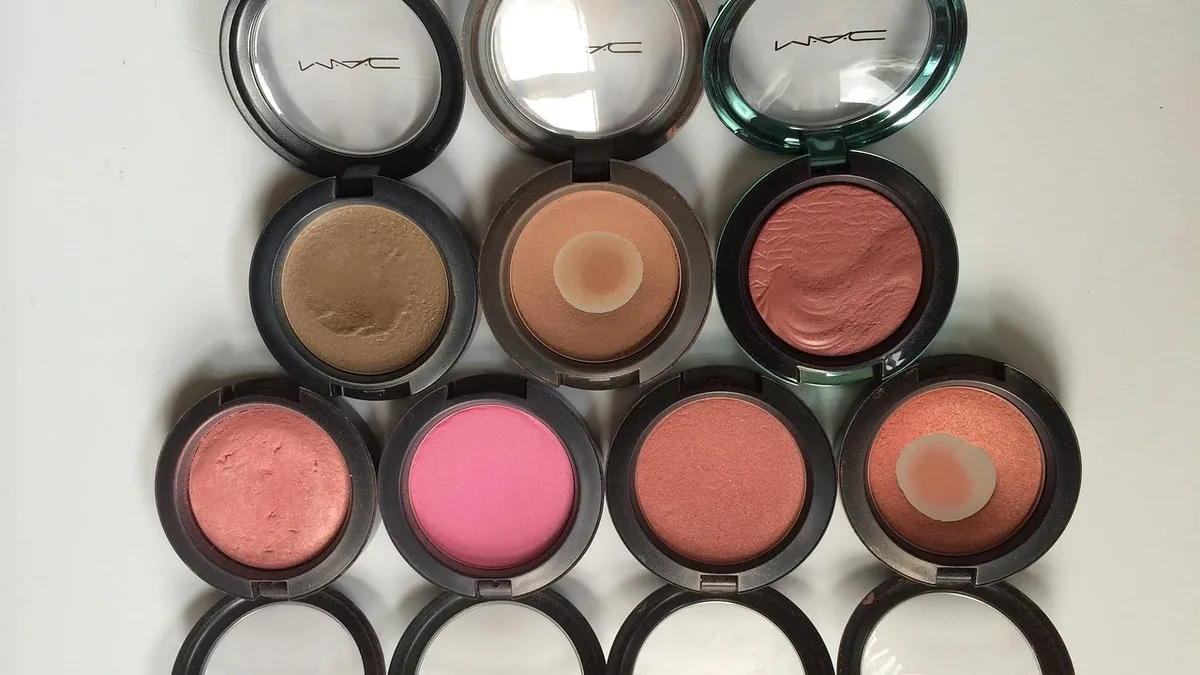
Packaging sustainability is a core focus. La Rosée aims to use 100% recycled or bio-based materials for its PET and PP packaging and is aggressively pursuing refillable options. Nearly half of its product range is already refillable, including a makeup compact developed with a supplier, with a goal to exceed 50% within two years. The company is also exploring solid formats, reusable packaging, and bulk sales. This strategy supports a business expecting 20% growth in 2026, projecting a turnover of approximately 115 million euros.
International expansion is underway, with operations in 13 countries including Canada and a new subsidiary in South Korea, where it has opened 50 retail corners. The brand sees particular synergy with markets that have an established pharmacy channel, leveraging the appeal of the French dermo-cosmetic model abroad.
Floraïku's Luxury Fragrance Launch
French perfume brand Floraïku is expanding its ultra-luxury Edition 3776 collection with four new scents for the holiday season, each priced at $775 per bottle. The collection, named after Mount Fuji's elevation, gives perfumers unrestricted access to the most premium ingredients, according to co-founder John Molloy.
The new additions are Make My Heart Sing by perfumer Aliénor Massenet, Many Different Stories by Shinichiro Oba, and Lost For Words and Bows And Arrows, both by Gaël Montero. They join the existing 3776 scent I Am Not A Flower. For U.S. consumers, purchasing these fragrances typically requires a blind buy, as Floraïku is only available online in the United States. Molloy expressed confidence in serving this high-end clientele through a white-glove digital experience, noting the brand has dedicated online customers who spend significantly each year.
Floraïku, launched by Clara and John Molloy in 2017, operates a boutique in Paris and is stocked in department stores like Harrods in London, with plans for a standalone Tokyo boutique in 2027. The brand's standard perfumes retail for $395. The launch aligns with a broader trend of luxury fragrance brands introducing higher-priced offerings for the holidays. Other brands like BDK Parfums, Victoria Beckham Beauty, Acqua di Parma, and Maison Francis Kurkdjian have also launched premium collections or expensive gift sets, with prices ranging above $300 to $1,200.
Industry data indicates the fragrance category's growth may be partly driven by rising prices and a shift toward premium offerings. In the U.S. prestige fragrance market, average prices grew 5% in the first half of 2026 while unit sales remained flat.