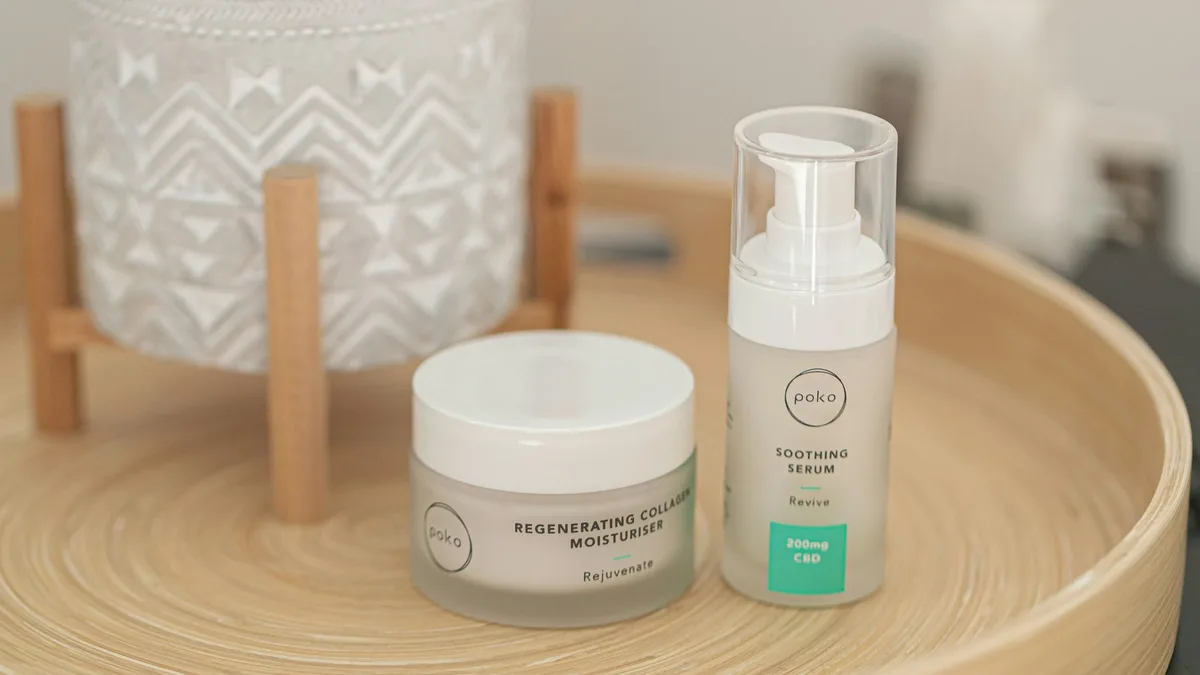
Best Tinted Moisturizer
| Country of origin | Varies by brand |
|---|---|
| First created | 1970s |
| Original use | To provide light coverage and hydration in a single product |
| Technique | Sheer, blendable application for a natural finish |
| Shade system | Based on skin tone depth (e.g., light, medium, tan, deep) and often undertone (e.g., neutral, warm, cool) |
| Coverage level | Sheer to light |
| Finish | Natural, dewy, or satin |
| SPF content | Often includes broad-spectrum SPF, ranging from SPF 15 to SPF 50 |
Origin and history
Tinted moisturizer originated in the United States during the late 20th century, emerging as a product category in the 1970s and gaining significant popularity in the 1990s. Its development was a direct response to a growing consumer desire for makeup that offered a more natural, skin-like finish compared to traditional foundations. The concept fused the hydrating benefits of a daily facial moisturizer with a sheer wash of pigment, creating a hybrid product. Early iterations were often simple formulations that provided minimal coverage and a limited shade range. The category evolved through the 2000s as beauty brands recognized the demand for multifunctional skincare-makeup hybrids. This evolution led to more sophisticated formulas incorporating sun protection, antioxidants, and a broader spectrum of shades to suit diverse skin tones.
What it is for
A tinted moisturizer is designed to provide light, breathable coverage while simultaneously hydrating the skin and often delivering additional skincare benefits. Its primary purpose is to even out minor skin discolorations, such as slight redness or uneven tone, without masking the skin's natural texture. It is intended for daily wear, offering a "no-makeup" makeup look that enhances rather than conceals the complexion. The product serves as an efficient all-in-one solution, typically combining a moisturizing base, a sheer tint, and frequently a broad-spectrum SPF. It is specifically formulated for those seeking a quick, lightweight alternative to heavier foundation products. The goal is to create a healthy, radiant finish that appears as if it is the wearer's own skin, not a layer of applied makeup.
What is the best Best Tinted Moisturizer
There is no single universally "best" tinted moisturizer, as the optimal product is determined by an individual's specific skin type, coverage needs, and shade match. The most effective formulations successfully balance skincare ingredients with pigment technology to avoid settling into fine lines or appearing cakey. A superior tinted moisturizer will offer a shade range with sufficient undertone variations, such as cool, warm, neutral, and olive, to blend seamlessly with the skin. The best products for dry skin contain humectants like hyaluronic acid and emollients such as squalane, while oil-free, non-comedogenic formulas are critical for oily or acne-prone skin. Performance is also judged by wear time, with the best options maintaining an even, fresh appearance for several hours without significant fading or breaking apart. Ultimately, the best product is one that feels weightless on the skin, provides the desired level of natural-looking coverage, and complements the wearer's skincare routine.
Overview
Tinted moisturizer is a category of cosmetic product that exists at the intersection of skincare and makeup, characterized by its fluid, often lotion-like texture. The core formulation consists of a moisturizing base, comprising water, humectants, and emollients, into which micronized pigments are evenly dispersed. Modern versions frequently include active ingredients like vitamin C, niacinamide, or peptides to address concerns such as brightness, barrier function, or fine lines. A key differentiator from foundation is its low pigment load, which allows skin to show through while providing a unifying veil of color. The application is typically done with fingers, a brush, or a sponge, and it layers well over serums and under other makeup products. Its finish ranges from dewy to natural matte, depending on the formula, making it a versatile base for a wide array of personal styles and preferences.
What to know
Selecting a tinted moisturizer requires careful consideration of your skin's undertone, which is the subtle hue beneath the surface that affects how color cosmetics appear. Undertones are generally categorized as cool (pink, red, or blue), warm (yellow, golden, or peach), or neutral (a balance of both). Testing a shade along the jawline in natural light is crucial to assess if it disappears into the skin rather than sitting on top of it. The product's finish is another critical factor; dewy finishes can enhance dry skin but may appear overly shiny on oily skin, while matte finishes can control oil but might emphasize dry patches. It is important to note that while many tinted moisturizers contain SPF, the amount typically applied for coverage is insufficient for full sun protection, necessitating a separate sunscreen underneath. Furthermore, the shelf life of these products is often shorter than that of pure cosmetics due to the inclusion of active skincare ingredients that can degrade over time.
Common questions
A frequent question is whether tinted moisturizer can replace both a daily moisturizer and a foundation, and the answer depends on the specific formula and the individual's skin needs; while it is designed as a hybrid, those with very dry or very oily skin may still require their regular moisturizer underneath. People often ask about the difference between tinted moisturizer, BB cream, and CC cream, with the key distinction being that tinted moisturizer is primarily hydration with sheer color, while BB creams offer more coverage and added skincare benefits, and CC creams focus more on color correction. Many wonder if it is suitable for acne-prone skin, and while non-comedogenic, oil-free formulas exist, the very light coverage may not conceal active blemishes to the desired degree. Users commonly inquire about application methods, with fingers being effective for a sheer, melted-in look, while brushes or sponges can provide slightly more coverage and a more polished finish. Questions also arise regarding its use on mature skin, where its lightweight, non-settling nature is often an advantage, provided the formula is sufficiently hydrating. Finally, a common concern is oxidation, where some formulas may darken slightly after application, making it essential to test a shade for a full day before committing to a purchase.
Pros and cons
The primary advantage of tinted moisturizer is its ability to create a natural, skin-like finish that is difficult to achieve with heavier foundations, making it ideal for everyday wear and minimizing the appearance of makeup. It streamlines morning routines by combining multiple steps, moisturizer, primer, and light coverage, into one product. The formulations are generally more forgiving than foundation regarding shade matching due to their sheer nature, and they are less likely to cake or settle into fine lines with wear. A significant drawback is its limited coverage; it cannot effectively conceal pronounced redness, dark spots, or blemishes, leading to frustration for those seeking more than a subtle evening-out of tone. The inclusion of skincare actives and SPF can sometimes cause pilling when layered with other products, or the sunscreen filters can leave a white cast in formulas not meticulously formulated for deeper skin tones. Users with very oily skin often regret choosing a dewy formula, as it can exacerbate shine and reduce wear time, while those with very dry skin may find some oil-free versions insufficiently hydrating, clinging to dry patches.
Who it suits
Tinted moisturizer is exceptionally well-suited for individuals with generally clear skin who seek to enhance their natural complexion with a minimal, breathable product. It is an excellent choice for those with normal to dry skin types, as the hydrating base provides continuous moisture throughout the day, promoting a healthy glow. People who prioritize a quick, low-maintenance beauty routine benefit greatly from its multifunctional nature, eliminating the need for separate moisturizer and foundation steps. It is also ideal for wear in humid or hot climates where heavier makeup can feel uncomfortable or melt away, as the lightweight formula is less prone to sliding. The product suits mature skin particularly well because its sheer pigment does not accumulate in wrinkles or texture, avoiding an aged appearance. Conversely, it is less suitable for those requiring medium to full coverage for significant discoloration, scarring, or acne, and individuals with very oily skin must diligently seek out oil-absorbing, matte-finish formulas to avoid excessive shine.
Latest Best Tinted Moisturizer news
Latest reporting
Best Amazon Prime Big Deal Days Mature Beauty Deals 2026
Amazon's Prime Big Deal Days sale on October 6-7 features expert-vetted makeup and skincare for mature skin, with deals on top brands like Clinique
Dermatologists Pick 2026 Allure Best of Beauty Mature Skin
Three dermatologists highlight nine award-winning products for mature skin, focusing on hydration, collagen support, and barrier protection.
Allure's 2026 Hall of Fame Honors 30 Repeat Beauty Winners
Allure's Best of Beauty Awards has inducted seven new products into its Hall of Fame for 2026, recognizing 30 items that have each won at least three...
Lululemon Unveils Fall 2026 Run Collection with Focus on Performance and Fashion
Lululemon has launched its Fall 2026 Run Collection, featuring a refined Fast and Free line designed for runners to perform at their best while...