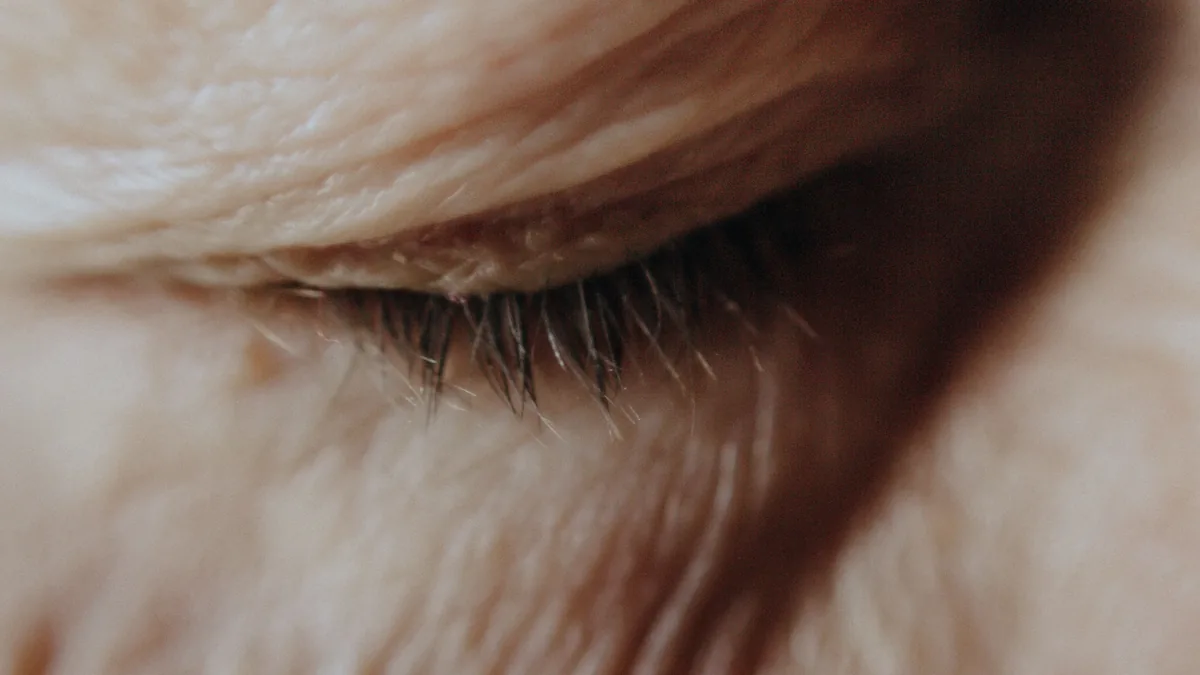
Aegyo Sal
| Country of origin | South Korea |
|---|---|
| First created | Early 21st century (2000s) |
| Original use | Aesthetic enhancement to create a youthful, friendly appearance |
| Anatomical basis | The subtle bulge of skin and muscle below the lower eyelid |
| Method of creation | Surgical implantation, filler injection, or makeup illusion |
| Shade system principle | Pigment and undertone matching for implanted material or makeup |
| Visual effect | Creates the illusion of a slight, natural lower eyelid fullness |
Origin and history
Aegyo Sal is a beauty technique that originated in South Korea. The term itself entered widespread use in South Korean beauty culture during the early 2000s. It translates to "cute flesh" or "lovely fat," describing the slight, natural bulge of skin and muscle that appears beneath the eyes when smiling. Historically, this facial feature was not always sought after in global beauty, often being concealed under makeup in Western aesthetics. Its deliberate enhancement and celebration as a desirable trait is a definitive element of contemporary Korean beauty trends. The technique's popularization is closely linked to the rise of K-pop idols and Korean drama stars, who often exhibit this feature, making it a symbol of youthfulness and approachability.
What it is for
The primary purpose of the Aegyo Sal technique is to create or accentuate the appearance of a small, defined bulge beneath the lower lash line. This is done to mimic a natural, youthful facial characteristic that typically appears during a genuine smile. The effect aims to make the eyes appear larger, rounder, and more innocent, contributing to a cheerful and approachable facial expression even at rest. It is specifically intended to enhance the lower eyelid and cheek area, adding dimension and structure. The technique counteracts a hollow or flat under-eye area, which can be perceived as tired or mature. Ultimately, it is a strategic contouring method designed to project a specific aesthetic of youthful vitality and cuteness, central to a particular Korean beauty ideal.
Pros and cons
A primary advantage of a well-executed Aegyo Sal is the instant, noticeable effect of making the eyes appear larger and more doll-like, which aligns perfectly with specific cute or youthful makeup styles. It can effectively add structure to a flat mid-face and create a perceived shortening of the lower face. However, a significant con is the high risk of an unnatural result if applied incorrectly, particularly on individuals without a pre-existing natural bulge; the added shading can easily look like dark circles or simple dirt smudged under the eyes. Many who regret attempting it find the technique difficult to blend seamlessly into their overall makeup, resulting in a stark, obvious stripe of makeup that only looks correct from a single, direct angle. The common mistake is applying the technique too low on the cheek or using a shade that is too dark or too warm for their skin tone, which creates a hollow, aged effect opposite to the intended one. Furthermore, the trend-driven nature of this technique means it can appear dated or out of place in professional or cultural contexts that do not subscribe to this specific beauty standard.
Who it suits
This technique generally suits individuals who already have a slight, natural prominence or fullness beneath their eyes when they smile, as the makeup serves to enhance an existing feature rather than create one from nothing. It is most flattering on those with oval or heart-shaped face structures, as it can help balance facial proportions. The success of the technique is critically dependent on the shade system; individuals with very fair, cool-toned skin require a greyish or cool taupe shade to mimic a natural shadow, while those with warm, medium to deep skin tones need a warmer, brown-based contour color to avoid an ashy, unnatural look. It is less suited for individuals with pronounced under-eye bags or significant puffiness, as adding shadow beneath this area can exacerbate the appearance of swelling. Those with mature skin or very pronounced fine lines in the under-eye area may also find that the technique emphasizes texture and wrinkles rather than smoothing them. Ultimately, it is a specialized style choice that aligns most coherently with specific East Asian beauty trends and may not integrate seamlessly into every individual's personal aesthetic or facial anatomy.