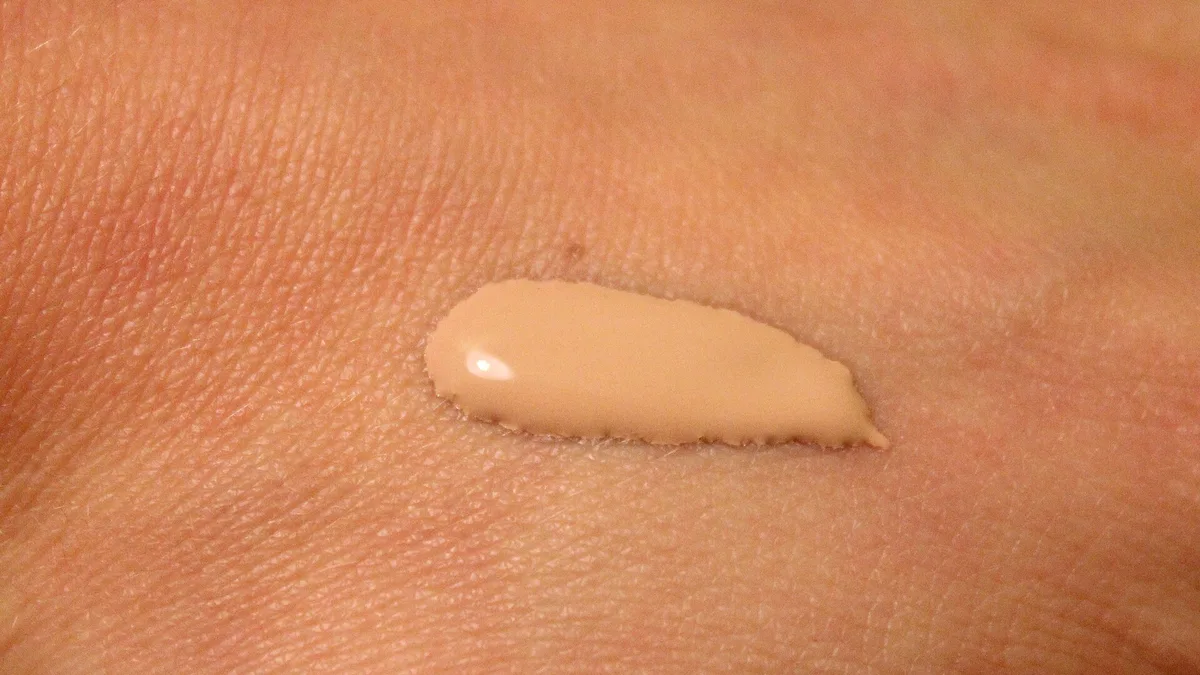
Liquid & Stick Foundation
| Product form | Liquid or solid cream in a stick |
|---|---|
| Primary coverage | Light to full (varies by formula) |
| Finish | Natural, matte, dewy, or satin (varies by formula) |
| Key technique | Stippling or buffing for blend |
| Shade system principle | Undertone matching (warm, cool, neutral) |
| Original use | Theatrical and film makeup |
| First created | Early 20th century (for stick form) |
Origin and history
Liquid foundation has its origins in early 20th century theatrical and film makeup, developed to provide a more natural, flexible coverage under harsh stage and studio lighting. The modern commercial liquid foundation, as a cosmetic product for daily wear, was pioneered in the United States during the 1930s, with brands like Max Factor creating formulas that evolved from pan-cake makeup. Stick foundation emerged later, with its development also largely credited to the film industry, providing a highly portable and buildable format for touch-ups and character work. The widespread consumer adoption of stick foundation for everyday use gained significant momentum in the 1980s, as formulations improved to be less waxy and more blendable. Both formats were initially created to standardize and simplify the application of base makeup, moving away from loose powders and creams that required more skill to mix and apply. Their parallel development reflects a continuous effort to balance coverage, convenience, and a natural skin finish for both professional and personal use.
What it is for
Liquid and stick foundations are designed to create an even, uniform canvas on the skin by mitigating discoloration, redness, and minor imperfections. The primary technical purpose is to provide adjustable coverage, from sheer to full, while allowing for precise shade matching to blend seamlessly with the wearer's natural skin tone. They serve as a base layer that can help other cosmetic products, such as blush and bronzer, adhere more smoothly and appear more true to color. A critical function is their role in color correction, where the chosen shade and formulation can counteract specific undertones in the skin, such as sallowness or ruddyness. These foundations also often incorporate ingredients intended to address secondary skin concerns, like hydration, oil control, or providing a specific luminous or matte visual finish. Ultimately, their purpose is not to mask the skin entirely but to harmonize its overall appearance, creating a perceived perfection that still looks like skin.
Pros and cons
Liquid foundation typically offers a wider range of finishes and is easier to sheer out for lightweight application, but it can transfer onto clothing or phones more readily than some stick formulas. Stick foundation provides exceptional portability and targeted, buildable coverage ideal for spot-concealing, yet it can look heavy or cakey if applied too liberally over large areas without proper blending. A common mistake with liquid foundation is applying it to dry or unprepared skin, which leads to patchy, uneven absorption and emphasizes texture. Users with very oily skin often regret choosing a dewy liquid formula, as it can break down quickly and exacerbate shine, while those with dry skin find matte sticks uncomfortably clinging and accentuating flakes. The packaging of stick foundation is hygienic and travel-friendly, but it can soften and break in warm climates or if stored improperly. Liquid foundations in pump bottles offer good sanitation but can leave significant product waste in the container that is difficult to access, and dropper systems are prone to contamination if not kept clean.
Who it suits
Liquid foundation generally suits individuals seeking a versatile, customizable finish, as its formula can be easily mixed with primers or moisturizers to alter its consistency and coverage. It is particularly well-suited for those with normal to dry skin types, as many liquid formulations contain hydrating ingredients that prevent a parched appearance. Stick foundation is ideal for combination or oily skin types when formulated with oil-absorbing properties, and for anyone requiring a quick, precise application without brushes or sponges. The stick format excels for individuals with busy, on-the-go lifestyles, such as performers or frequent travelers, who need reliable touch-up capability. Both formats can work for all skin tones, provided the brand offers a comprehensive shade system with diverse undertones; however, stick foundations sometimes have a more limited shade range than their liquid counterparts. Ultimately, the choice between liquid and stick often comes down to personal preference for texture and application method, as much as skin type, with many users owning both for different coverage needs and occasions.
Latest Liquid & Stick Foundation news
Latest reporting
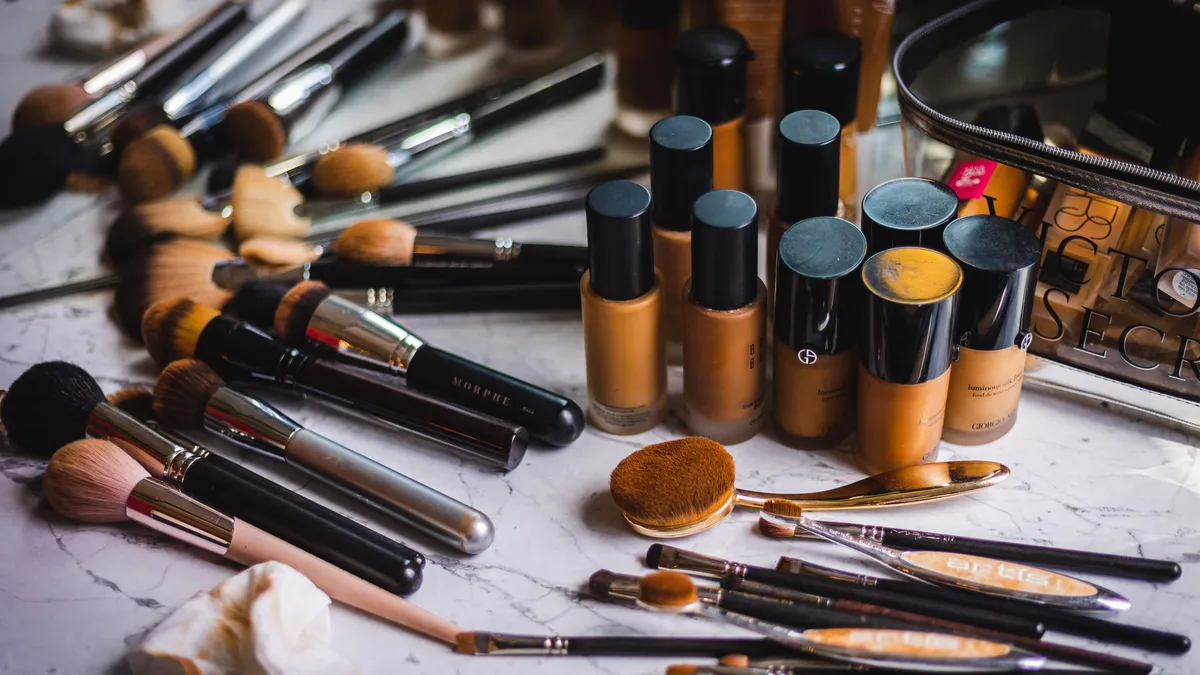
Fenty Beauty Launches Pro Filt'r Fluid Flex Foundation
Fenty Beauty has launched the Pro Filt'r Fluid Flex Natural Matte Foundation, a lighter, more flexible formula with a natural matte finish.
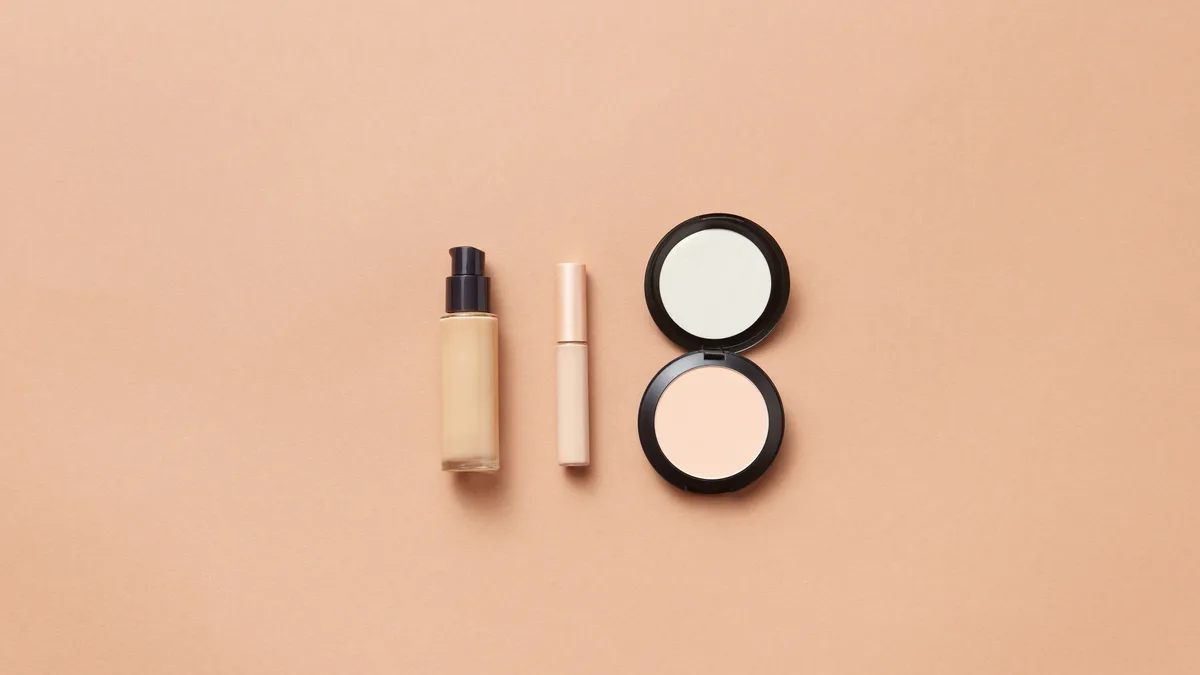
Cool-Toned Foundation Gap Persists in 2026
Despite shade ranges expanding to 50 options, makeup artists report a significant shortage of cool-toned foundations for medium to deep skin tones.

Fenty Beauty Unveils Pro Filt'r Fluid Flex Foundation
Fenty Beauty introduces its new Pro Filt'r Fluid Flex Natural Matte Longwear Foundation, available in 50 shades, with a medium, buildable, skin-like...