Cool-Toned Foundation Gap Persists in 2026
Despite shade ranges expanding to 50 options, makeup artists report a significant shortage of cool-toned foundations for medium to deep skin tones
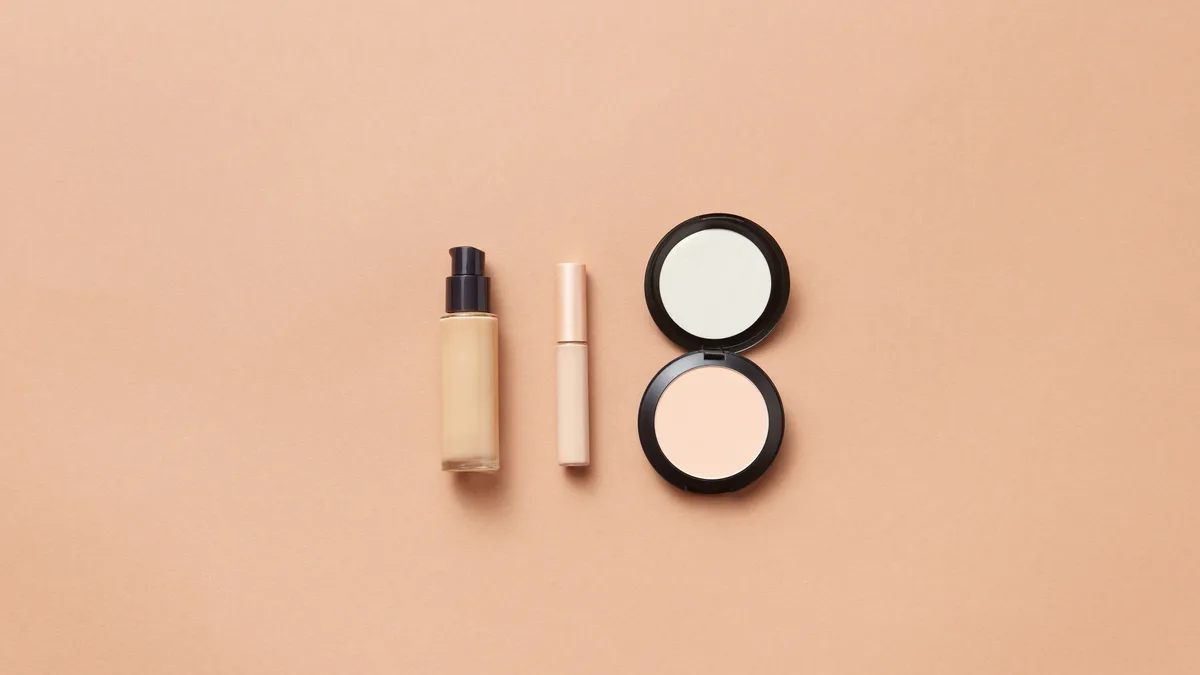
In 2026, finding a cool-toned foundation for medium to deep skin remains difficult, even as brands like Fenty Beauty and Haus Labs offer up to 50 shades. Makeup artists cite a historical industry focus on warm undertones and specific formulation hurdles as key reasons for the shortage. For a deeper look at how products perform across different categories, our stats page offers valuable insights.
The Undertone Gap in Expanded Shade Ranges
Foundation shade ranges have grown exponentially since 2004, when Maybelline's Dream Matte Mousse launched with only 13 shades. Today's extensive selections, however, still show a clear imbalance. While fair shades often come in many cool variations, deeper shades frequently offer just one cool option, or sometimes only warm and neutral ones. This leaves consumers with deeper, cool-toned skin struggling to find a match.
Makeup artist Mally Roncal argues the beauty industry long ignored this nuance. She says the emphasis was placed on warm undertones, often associated with a glowing complexion. Developing a foundation requires balancing multiple pigments to ensure the undertone looks natural at every depth, not only making a shade lighter or darker.
Why Cool-Toned Shades Are Often Missing
A major barrier has been the perception that cool tones appear unflattering. Makeup artist Tiesha Williams, a Black Radiance brand ambassador with over 20 years of experience, explains the common result. The issue isn't that deeper skin tones lack cool undertones, but that the cool shades brands formulate often don't suit them.
Formulating a successful cool-toned foundation is not inherently more difficult, but it does require specific expertise. Williams states the process hinges on color theory knowledge. With the right understanding, any undertone can be achieved.
Moving Beyond Depth-Equals-Warmth Assumptions
Experts point to a persistent misconception: equating deeper skin with warm undertones. Roncal clarifies that depth and undertone are separate characteristics. Someone with a very deep complexion can have a cool, neutral, olive, or red undertone. Historically, brands have sometimes treated them as the same, pushing deeper shades warmer or redder. A truly inclusive range, Roncal emphasizes, must offer multiple undertone options at every depth level, a principle that applies to building a cohesive team as much as a makeup line, much like reviewing a squad.
| Shade Range Era | Brand Example | Number of Shades | Key Limitation Noted |
|---|---|---|---|
| 2004 | Maybelline Dream Matte Mousse | 13 | Limited overall range |
| 2026 | Fenty Beauty, Haus Labs | Up to 50 | Lack of cool tones at medium-deep depths |
Signs of a Shift in Foundation Development
Makeup artists see hopeful signs that the undertone gap is slowly closing, driven by more educated consumers. Williams observes a trend toward more neutral-leaning foundations for deeper skin tones. Roncal notes that shoppers are now asking for specific undertones, not only broad categories like light or medium. This demand for precision should motivate brands to create more varied ranges. Roncal believes a real shift is underway, where a person with a cool undertone should have the same level of choice as someone with a warm one.
The evolution from 13 to 50 shades demonstrates the industry's capacity for change. The next necessary step, according to the artists, is applying that same rigor to the full spectrum of undertones, ensuring every option is represented fairly in the overall standings of available products.