Men's Makeup Trends and Individuality Reshape Beauty Market
A new global report reveals 36% of men say looking their best is more important now than five years ago, with strong regional variation.
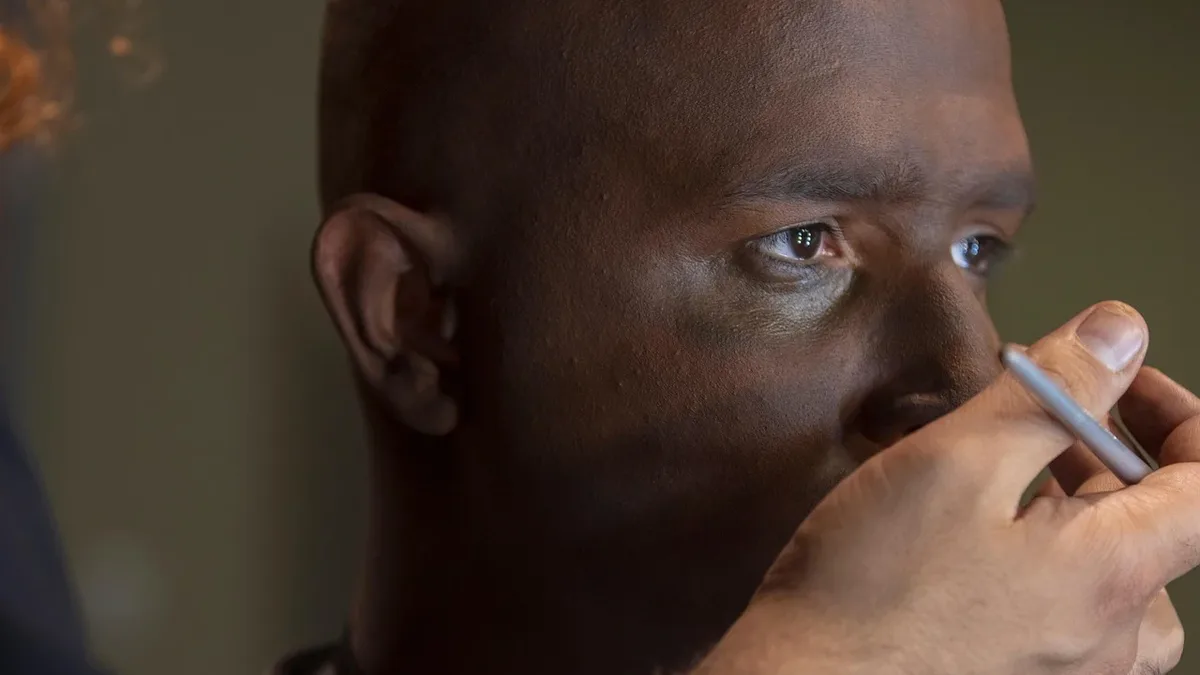
Men globally report an increased significance placed on looking their best, with notable variations across regions and generations. Thirty-six percent of men say looking their best, including through beauty and skincare products, has become more important to them than five years ago. Over half, 54%, say that aging well has gained importance over the same period. This trend is strongest in India, Mexico, the United Arab Emirates, and Brazil, and lowest in Germany, the UK, and the U.S.
Interest in appearance varies dramatically by country, according to the data.
| Country | Percentage of Men Saying Looking Their Best is Important |
|---|---|
| India | 69% |
| Mexico | 63% |
| United Arab Emirates | 57% |
| Brazil | 51% |
| U.S. | 37% |
| UK | 22% |
| Germany | 17% |
Younger generations are driving a focus on individuality. Forty-two percent of Millennial men and 40% of Gen Z men agree that their individuality is reflected in how they look and what they buy, compared with 28% of Baby Boomers.
Shift in Spending and Marketing Strategies
Male spending patterns and brand marketing approaches are evolving. The average category spend on personal care in male households is 28% lower than in women's households. Sales data reveals a clear divergence in growth. In around ten Western European markets, sales of skincare products explicitly targeted at men remained flat over the past year. In contrast, skincare positioned for all genders grew by 7% year over year in those same markets.
Globally, across 57 countries, brands explicitly marketed to men grew by just 3% over the year ending May 2026. This lagged behind the 7% growth seen for the beauty and personal care market overall. Men are increasingly buying skincare from brands that emphasize ingredients and benefits, such as those in dermo-cosmetics and Korean beauty, rather than gendered labels.
Gender-Neutral Opportunities and Market Dynamics
The rise of all-gender skincare reveals untapped potential in the broader beauty market. A shopper concerned about aging skin may search for a product that addresses that concern without looking for a 'for men' label. This shift presents a challenge for traditional marketing. Tara James Taylor noted the strategic risk, stating, "Brands that focus only on products labeled 'for men' may overlook shoppers and opportunities across the wider beauty market."
The data and analysis come from NIQ's report, The Permission Gap: The Global State of Male Beauty, released on October 30, 2026. NIQ is a global leader in consumer intelligence, operating in over 90 countries. The insight for brands is clear: to capture the expanding opportunity, they must look beyond gendered product labels and connect with consumers through shared concerns and desired benefits.