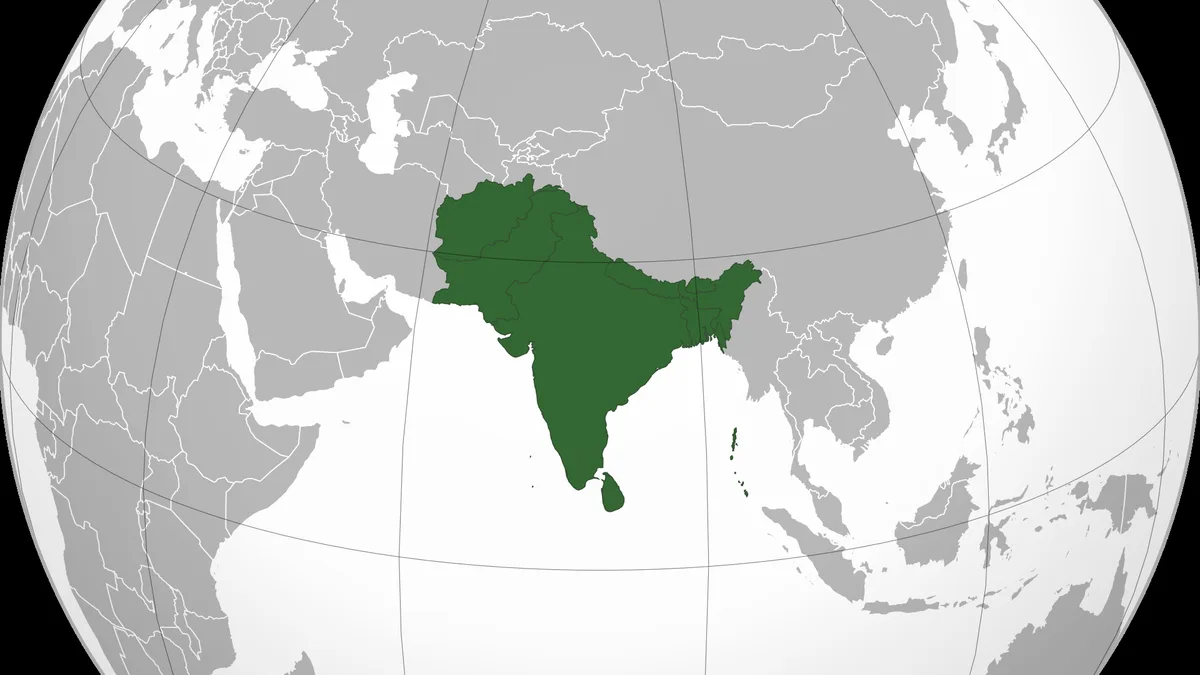
Shade Range Availability In Asia
| Shade system | Recall |
|---|---|
| Technique | Foundation matching |
| Skin tone target | Medium to deep skin tones with warm or olive undertones |
| Country of origin | United States |
| First created | 2010s |
| Original use | To provide a more inclusive range of foundation shades for underrepresented skin tones |
| Availability status | Available in select Asian markets |
| Common retail channels | Specialty beauty retailers, online platforms |
Origin and history
The concept of Shade Range Availability In Asia as a critical industry metric emerged in the late 20th century, primarily driven by consumer advocacy and beauty journalism. Its development is not tied to a single country but evolved across multiple Asian markets, including Japan, South Korea, and Thailand, as regional beauty industries matured. The discourse gained significant, structured momentum in the 2010s with the rise of global social media platforms that allowed for direct consumer feedback and comparison. Prior to this period, the adequacy of shade ranges was rarely a central point of public critique or corporate marketing within the region. The history of this focus is intrinsically linked to the broader global conversation about diversity and representation in the beauty sector. It represents a shift from a manufacturer-centric model of limited offerings to a consumer-demand model expecting inclusive product lines.
What it is for
Shade Range Availability In Asia refers to the breadth and depth of color options offered by cosmetic brands, specifically for base products like foundation and concealer, tailored to the diverse skin tones found across the Asian continent. Its primary function is to ensure consumers can find a product that matches their individual skin color without having to mix shades or settle for an incorrect match. This availability is a practical necessity for achieving a natural, seamless makeup application, which is a core technique in both everyday and professional settings. The concept also serves as a key indicator of a brand's commitment to inclusivity and its understanding of the demographic realities of its target markets. It addresses the technical challenge of accommodating the vast spectrum of undertones, such as golden, olive, neutral, and rosy, present within Asian populations. Effective shade systems work by providing a sufficient quantity of shades with varied depth levels and a balanced distribution of undertones to cover a meaningful percentage of the population.
Pros and cons
A primary advantage of a comprehensive shade range is that it builds brand loyalty and trust among a wider consumer base, as customers feel seen and catered to. It reduces the frequent problem of consumers purchasing expensive products that ultimately go unused due to poor color matching. However, a significant con is that many brands still launch ranges that are skewed heavily towards lighter depth shades, neglecting medium to deep skin tones common in South Asia, Southeast Asia, and among diaspora communities. This often leads to consumer frustration and public relations setbacks when brands enter new markets without adequate research. Another common mistake is for brands to offer many shades but with a narrow focus on only pink or only yellow undertones, failing to address the olive and neutral undertones prevalent in many Asian ethnicities. Consumers with these overlooked undertones frequently regret purchases that make their skin appear ashy, sallow, or artificially colored, despite the shade depth being technically correct.
Who it suits
This focus on shade range availability primarily suits consumers across Asia who have historically been underserved by mainstream cosmetic lines that offered limited options. It is especially critical for individuals with medium, tan, and deep complexions who have faced the greatest difficulty in finding matching base products. The concept also suits consumers with specific undertones, like olive or neutral, which are common in many East Asian, Southeast Asian, and South Asian populations but often excluded from smaller ranges. It benefits makeup artists and professionals working in Asia, as a broad shade range is a fundamental requirement for their kit to service a diverse clientele effectively. Furthermore, it suits beauty retailers and distributors, as a well-curated and inclusive shade range minimizes product returns and increases overall customer satisfaction and sales. Ultimately, a robust shade system suits any brand that aims to be perceived as modern, attentive, and seriously committed to the Asian market as a whole, rather than a stereotypical segment of it.
Latest Shade Range Availability In Asia news
Latest reporting

Ulta Beauty Adds Midi Health Supplements to Wellness Range
Ulta Beauty has launched seven supplements from telehealth company Midi Health online, with five products arriving in over 300 stores this September.
Cosmoprof Asia 2026 Launches 'Wanted' Campaign
The 29th edition of Cosmoprof Asia will be held in Hong Kong in November 2026, launching a 'Wanted' campaign to attract industry innovators.
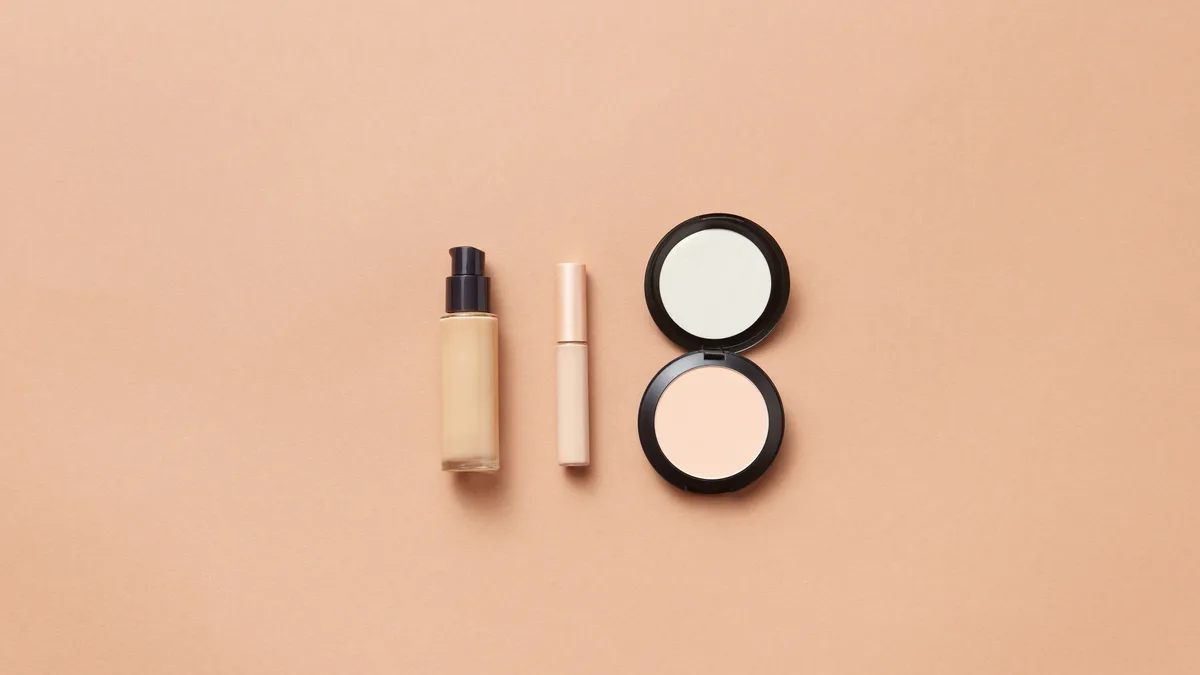
Cool-Toned Foundation Gap Persists in 2026
Despite shade ranges expanding to 50 options, makeup artists report a significant shortage of cool-toned foundations for medium to deep skin tones.

ECHT's Nova Trek Range Blends Outdoor Functionality with Fashionable Style
Australian activewear label ECHT launches its new gorpcore-inspired line, Nova Trek, blending functional outdoor gear with sleek streetwear.