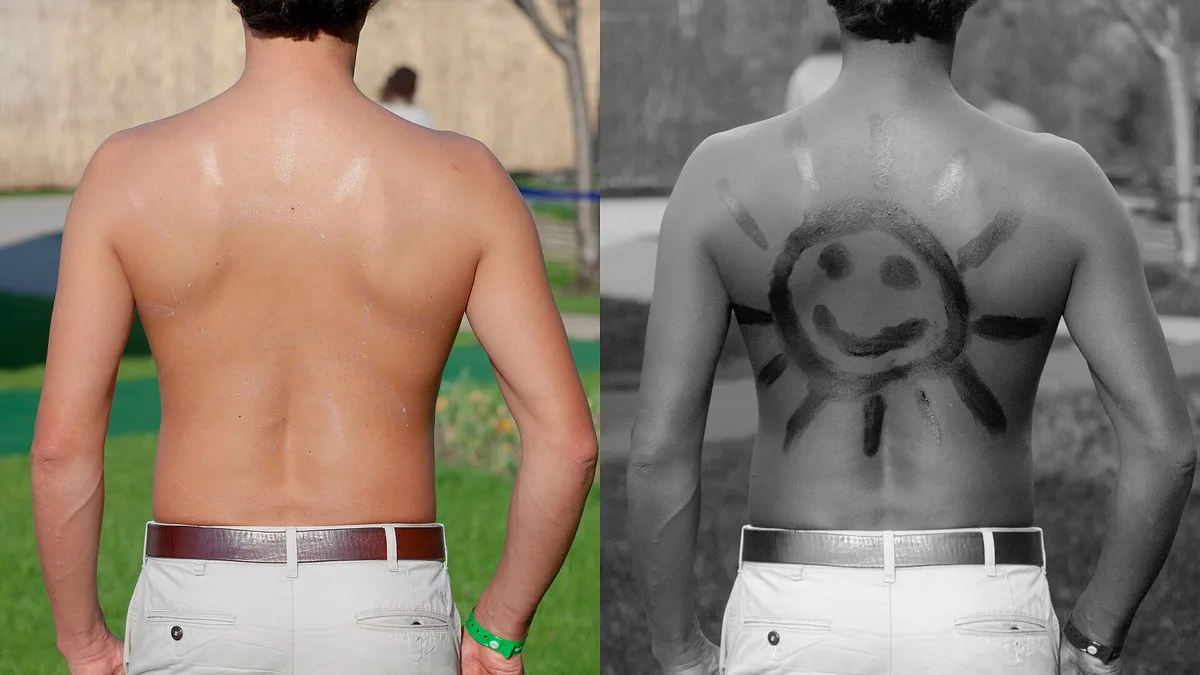
Sunscreen Pilling Under Base
| Technique | Layering liquid foundation over fully dried sunscreen |
|---|---|
| Shade system | Undertone-based foundation matching (e.g., warm, cool, neutral) |
| Primary cause | Incompatibility between sunscreen and foundation formulations |
| Common sunscreen type involved | High-SPF mineral or water-resistant sunscreens |
| Common foundation type involved | Water-based or silicone-based liquid foundations |
| Prevention method | Allowing sunscreen to fully set, using a primer as a barrier |
| Original use of the technique | To maintain sun protection while wearing makeup |
Origin and history
The technique known as Sunscreen Pilling Under Base originated in South Korea, emerging as a documented makeup application method in the 2010s. It arose from the widespread daily use of high-SPF, often moisturizing sunscreens within elaborate Korean skincare routines. Makeup artists and beauty enthusiasts began to publicly troubleshoot the common issue of sunscreen pilling, where the product forms small balls or rolls off the skin. Instead of treating this as a mere problem to avoid, the technique was formulated to deliberately leverage and control this pilling behavior. It was developed alongside the popularization of "cushion" compacts and lightweight, buildable base products that dominate the Korean beauty market. The method was systematically shared through online beauty tutorials and forums, solidifying it as a recognized application strategy for specific aesthetic goals.
What it is for
Sunscreen Pilling Under Base is a deliberate makeup technique where a sunscreen or primer with a known pilling tendency is applied and allowed to partially dry. The primary purpose is to create a thin, textured base that subsequent foundation or concealer can adhere to in a controlled, patchy manner. This method is specifically employed to achieve a sheer, skin-like finish that avoids a heavy, mask-like appearance, which is a cornerstone of contemporary Korean beauty standards. It allows for strategic, uneven coverage that lets the skin's natural texture and luminosity show through, mimicking the look of naturally flawless skin. The technique is not intended for full, uniform coverage but rather for spot-concealing and tone-evening while maintaining a lightweight feel. It effectively bridges skincare and makeup by integrating the sunscreen step directly into the foundation application process, rather than treating them as separate, potentially conflicting layers.
Pros and cons
A significant pro of this technique is its ability to produce an exceptionally natural, breathable finish that avoids cakiness, which is ideal for achieving the coveted "glass skin" or "my skin but better" aesthetic. It can also minimize product usage, as the pilled base prevents a thick, uniform layer of foundation from being applied, which can be beneficial for those with normal to oily skin types. However, a major con is its high risk of failure if the product combinations are not meticulously tested, leading to uncontrollable pilling and a patchy, unblendable mess that requires complete removal. Individuals with dry or flaky skin often regret trying this method, as it can exaggerate texture and dryness rather than concealing it. The common mistake is attempting the technique with incompatible product formulations, such as pairing a water-based sunscreen with a silicone-based foundation, which guarantees separation and poor adherence. Furthermore, it offers minimal sun protection as the final result, as the rubbing and pilling action disrupts the protective film of the sunscreen, making it unreliable as a primary sun defense method.
Who it suits
This technique best suits individuals with relatively clear, smooth skin who seek only minor evening of skin tone rather than substantial coverage for blemishes or discoloration. It is particularly suited to those with normal to combination skin types, as very dry or very oily skin can exacerbate the negative textural effects of the pilling process. Users who are already accustomed to and prefer lightweight Korean or Japanese cushion compacts and BB creams will find the aesthetic goal aligns perfectly with this method. It suits makeup enthusiasts who enjoy experimenting with product interactions and have the patience to test specific sunscreen-and-foundation pairings through trial and error. The technique is generally not recommended for individuals with acne, rosacea, or pronounced hyperpigmentation, as the sheer, uneven coverage it provides will be insufficient. It is also poorly suited for anyone seeking a long-wearing, sweat-resistant, or high-coverage makeup look, or for those who prioritize maintaining the stated SPF efficacy of their sunscreen.
Latest Sunscreen Pilling Under Base news
Latest reporting
Dermatologists Warn SPF Makeup Falls Short on Sun Protection
SPF-infused makeup does not provide adequate sun protection on its own, according to experts. The products are applied too thinly and irregularly to...
Cosmetic 360 Trade Show Sets 2026 Theme as 'Regenerations'
The Cosmetic 360 trade show will host 260 exhibitors for its 2026 edition under the theme 'Regenerations, Act for Positive Impact'.
Regent unifies Avon under single leadership
Investment firm Regent has acquired Avon North America, bringing the brand's North American and International divisions under one owner for the first...

BASF Launches Tinosorb S UV Filter in the US
BASF has launched Tinosorb S in the United States following FDA approval, expanding formulation possibilities for US sunscreen brands.
Australian Fashion Brands Take Centre Stage in Global Beauty Scene
Indie labels from Down Under are making waves in the global fashion industry, offering unique takes on seasonless basics, bright colors, and it-girl...