Dermatologists Warn SPF Makeup Falls Short on Sun Protection
SPF-infused makeup does not provide adequate sun protection on its own, according to experts. The products are applied too thinly and irregularly to meet the labeled SPF, necessitating a dedicated broad-spectrum sunscreen as the primary defense.
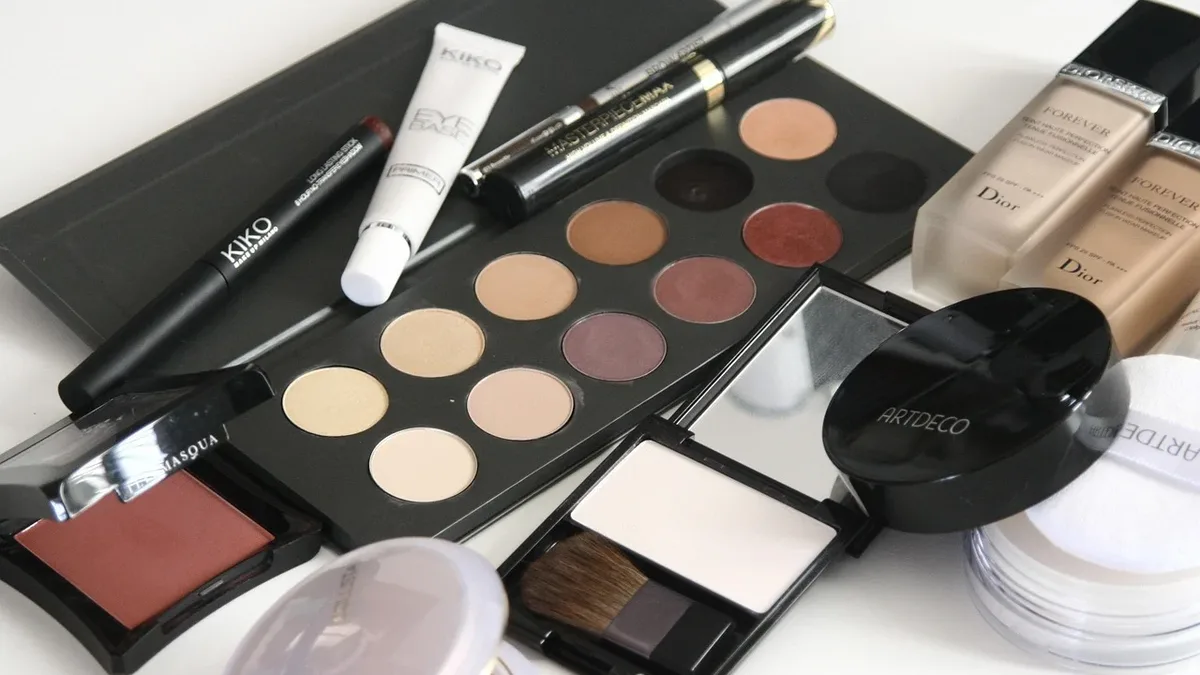
SPF-infused makeup products are not a sufficient substitute for dedicated sunscreen, dermatology experts warn. While convenient, these cosmetics are applied in amounts far too small to deliver their labeled sun protection factor, leaving users vulnerable to UV damage.
The growing trend of "skinimalism" has fueled demand for multifunctional beauty products, including foundations and powders with added SPF. However, the fundamental difference in how sunscreen and makeup are applied creates a significant protection gap.
How Sunscreen Protection is Measured
Sunscreen works by using active ingredients to block ultraviolet radiation. There are two main types: physical sunscreens containing minerals like zinc oxide that reflect UV rays, and chemical sunscreens containing compounds like avobenzone that absorb them. The SPF number measures how much more UV exposure is needed to cause sunburn on protected skin compared to unprotected skin. Broad-spectrum protection guards against both UVA rays, which cause aging, and UVB rays, which cause burning.
Products containing sunscreen ingredients are regulated as both cosmetics and drugs by the FDA. The regulations define different levels of protection based on SPF values.
| SPF Range | Regulatory Label |
|---|---|
| 30 or higher | High sun protection products |
| 12 to 30 | Moderate sun protection products |
| 2 to 12 | Minimal or minimum sun protection products |
The Application Gap Undermines SPF Claims
The core issue is the vast difference between testing standards and real-world use. Sunscreen is tested at a density of approximately 2 milligrams per square centimeter of skin. For the face, this translates to about two teaspoons of product, often visualized as two finger-lengths of sunscreen.
Makeup application falls dramatically short of this standard. Users typically apply only one or two pumps or a dime-sized amount for the face and neck. Chemist Michelle Wong, PhD of Lab Muffin Beauty Science, calculated that achieving the labeled SPF from a foundation would require about 13 pumps. Applying such a quantity is aesthetically impractical for most people.
Also, makeup is usually applied once in the morning and worn all day. This conflicts with dermatological guidance to reapply sunscreen every two hours, especially after swimming or sweating. SPF-infused products also tend to miss commonly exposed areas like the neck, ears, and eyelids.
Building an Effective Sun Protection Routine
Despite their limitations, SPF-infused makeup products can play a supportive role within a comprehensive sun safety strategy. They may help reinforce sun-conscious habits. The foundational element of protection must remain a dedicated, broad-spectrum sunscreen.
Dermatology guidelines recommend using a water-resistant, broad-spectrum sunscreen with an SPF of 30 or higher. This primary sunscreen should be applied generously to all exposed skin 15 minutes before sun exposure. It must be reapplied every two hours during sustained outdoor activity. SPF-infused makeup can then be layered on top for additional, though incomplete, coverage. This layered approach ensures that aesthetic goals do not compromise skin health.