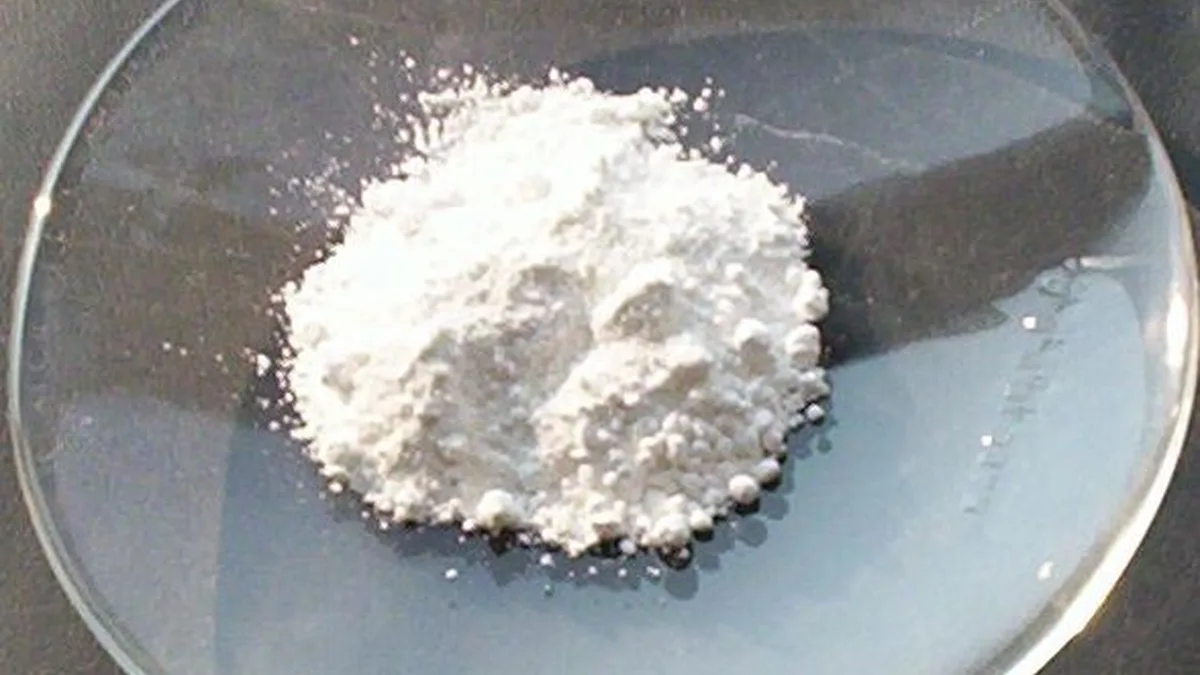
Zinc Oxide
| Chemical formula | ZnO |
|---|---|
| Appearance in cosmetics | Fine white powder |
| Primary function in cosmetics | Physical sunscreen agent (UV filter) |
| UV protection range | Broad-spectrum (UVA and UVB) |
| Cosmetic form | Often micronized or nano-sized for transparency |
| Skin feel | Can leave a white cast if not micronized |
| Original use | As a pigment and in medicinal ointments |
| Country of origin | Not applicable (naturally occurring mineral) |
Origin and history
Zinc oxide is a chemical compound with the formula ZnO, originally sourced from the mineral zincite. Its use dates back centuries, with early documented applications found in regions of the Indian subcontinent for medicinal purposes. In the late 18th century, a method for its synthetic production was developed in Europe, moving it from a mined mineral to a manufactured product. The 19th century saw its adoption in various industrial applications, including paints and rubber manufacturing. Its pivotal use in skincare, particularly as a physical sunscreen agent, became widely established in the 20th century. The compound's stability and broad-spectrum protection properties were recognized and refined over several decades, solidifying its role in dermatology.
What it is for
Zinc oxide primarily functions as a physical ultraviolet filter, blocking both UVA and UVB radiation by reflecting and scattering sunlight. It is a key active ingredient in sunscreens, especially in formulations designed for sensitive skin or broad-spectrum protection. In medicinal ointments, it serves as a skin protectant to soothe irritation, manage diaper rash, and aid in wound healing due to its mild astringent properties. The compound is also utilized in cosmetics like foundations and powders for its opacity and oil-absorbing qualities. Within the context of shade systems for makeup, micronized or coated zinc oxide can be used to provide sun protection without leaving a stark white cast, though this requires careful formulation. Its efficacy and safety profile have made it a cornerstone ingredient in mineral-based sun protection products.
Pros and cons
A primary advantage of zinc oxide is its excellent safety profile, being generally non-irritating and suitable for reactive, sensitive, and post-procedure skin. It provides immediate, broad-spectrum protection upon application without the need to wait for it to become effective. A significant drawback is its tendency to leave a visible white cast on deeper skin tones, especially in non-micronized or high-concentration formulations. Users with oily skin may regret choosing some zinc oxide products, as they can feel heavy or occlusive and may contribute to a greasy appearance. The common mistake is applying too little of a zinc oxide sunscreen to avoid the white cast, which drastically reduces the stated level of protection. Furthermore, while modern particle-coating technologies have mitigated the issue, some formulations can still feel thick and be difficult to blend seamlessly into the skin.
Who it suits
Zinc oxide is particularly suited to individuals with sensitive, redness-prone, or rosacea-affected skin due to its calming and non-irritating properties. It is a recommended choice for those with melasma or a high risk of skin cancer who require reliable, broad-spectrum UVA protection. People seeking a physical sunscreen ingredient, often preferred for children or during pregnancy, will find zinc oxide formulations appropriate. The ingredient can work on all skin tones when formulated within a tinted shade system that uses iron oxides to offset the white base, making it viable for deeper complexions. It is also suitable for users with dry skin who benefit from its occlusive, protective barrier. However, those with very oily skin may need to seek specifically formulated, lighter lotions or gels to avoid an undesirable finish.