Aptar Beauty Innovates Amid Market Shifts
Xavier Joseph of Aptar Beauty says the global beauty market is growing at 4% annually, but faces challenges from geopolitical uncertainty and formula changes.
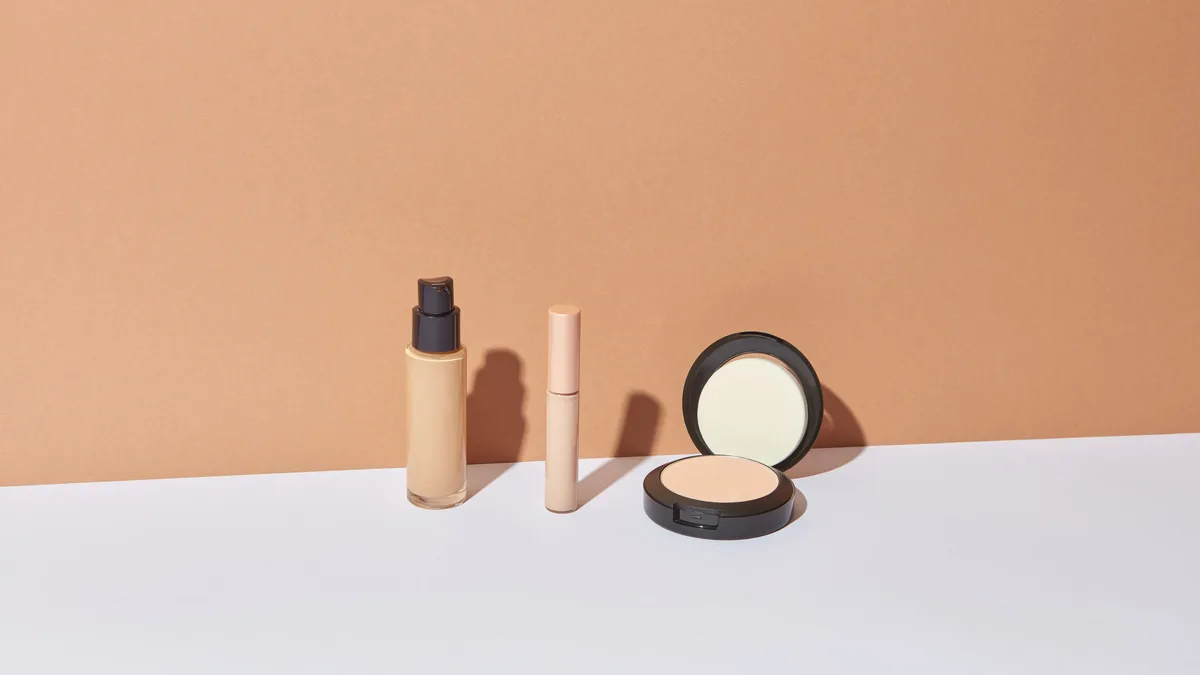
The global beauty market is growing at an annual rate of 4%. This comes from Aptar Beauty's Xavier Joseph. Geopolitical uncertainty heavily impacts supply chains and industry decisions. The main challenge lies in handling ongoing shifts within a complex market.
These market shifts are redefining what brands expect from packaging suppliers. Joseph is an innovation expert at the dispensing systems manufacturer. He views them as opportunities rather than constraints. Demand remains strong across all of Aptar's dispensing system categories.
Adapting to New Formulas
One of the most visible changes is the transformation of product formulas. The boom in alcohol-free fragrances presents a specific challenge. They cannot be delivered with standard pumps. Aptar has developed technologies to meet this need. An example is the technology used for Guerlain's Aqua Allegoria Perle skincare fragrance.
Another formulation shift involves the gradual substitution of short-chain alkanes for silicones. These new ingredients can cause certain polyolefins to swell. This forces the company to adapt its materials science expertise. Powders remain a niche. Aptar continues work in that area. Its GSA platform can already handle highly viscous textures.
The market itself is becoming increasingly polarized. In fragrances, ultra-premium niche creations coexist with booming body mists and more accessible sizes. In skincare, dermocosmetics are overperforming. Meanwhile, private labels gain ground in affordable segments.
Sustainability and User Experience
Xavier Joseph considers sustainability non-negotiable. This is due to tightening regulations. He also sees it as an innovation opportunity to enhance the user experience. Refills perfectly illustrate this dual role.
Long seen as an environmental solution, refills are becoming premium items. They can strengthen consumer bonds with brands. Clarins chose Aptar's patented Gaïa airless system for the refillable version of its Total Eye Lift eye contour cream. The main case is metal-based for aesthetics. The plastic refills are recyclable through PP and PE systems.
The group is also working on reducing material quantity. It is developing cap-free solutions. Aerosols fitted with a Double-Click system use propellants for this purpose. Efforts to improve recyclability align with the European Packaging and Packaging Waste Regulation (PPWR). Aptar is enhancing its portfolio of materials. Joseph noted the company removed POM a long time ago. It is also removing PFASs. More broadly, it is removing any materials that may pose an ecotoxic risk.
Customization and Regional Strategies
Customization remains a major market trend. It is also an area of innovation for Aptar. Solutions like the Nomad Refill meet consumer desires. People want to carry, refill, and adapt fragrances more easily.
The company has also worked on packaging accessibility for several years. This is through a collaboration with the APF France handicap association. This focus earned Aptar the association's Concepteur Inclusif (Inclusive Designer) label. The focus is on ease of handling, usability, and ergonomics. Joseph explained the idea is to create more universal products that are also easier to use for everyone.
Geographically, Aptar notes a gradual shift in the center of growth gravity. Western markets remain essential. China presents a mixed picture. International brands there post modest results. Local players show strong momentum.
Joseph identifies India and South-East Asia as offering the most promising potential. He said these markets combine rising product penetration and increasingly premium consumption patterns. This dual trend pushes Aptar to develop region-specific innovations. An example is the Nouvelle airless packaging made in India.
Innovations validated in India can be rolled out in Thailand or Indonesia. The fast development of lifestyle fragrances in the region is supported by local industrial capacity. This is partly due to Aptar's stake in the Chinese company Goldrain. Goldrain makes perfume pumps for the Asian market.
Recent commercial tensions have highlighted the benefits of regionalizing production. These include American tariffs. With industrial sites across Europe, North America, Mexico, Brazil, India, Thailand, and China, Aptar aims to minimize logistics risks. It also aims to maintain homogenized quality.
Cost pressures remain high. Joseph points out that the industry cannot be reduced to a purely price-based approach. He concluded that everyone is making an effort. But the beauty industry must remain a market for innovation.