Fragrance Parfum
Origin and history
The term "Fragrance" or "Parfum" on an ingredient list denotes a blend of synthetic and/or natural aromatic compounds used to scent a product. Its modern form originated in early 20th century Europe, particularly France, alongside the development of synthetic aroma chemicals. The widespread commercial use of complex fragrance blends in consumer cosmetics and household products became standard in the mid-20th century. This shift moved beyond the use of simple essential oils or single floral extracts to engineered scent profiles. The practice of listing this complex blend simply as "Fragrance" or "Parfum" on labels was cemented by regulatory frameworks that allow for trade secret protection. Historically, the creation and use of such blends is deeply rooted in perfumery traditions dating back centuries, but its application as a standard cosmetic ingredient is a modern phenomenon. The specific chemical constituents within a "Fragrance" blend are numerous, often numbering in the dozens, and are rarely disclosed to the consumer.
What it is for
In cosmetic and skincare formulations, Fragrance (Parfum) serves the primary function of imparting a pleasant scent to the product, masking the often unpleasant odor of raw chemical ingredients. Its purpose is fundamentally sensory and psychological, designed to enhance the user experience and create a product identity through smell. It provides no functional benefit to the skin's structure or health, and its role is purely aesthetic from a dermatological perspective. In the context of makeup products, fragrance can be used to create a luxurious or familiar sensory association, influencing consumer preference. The inclusion of fragrance is a deliberate formulation choice aimed at appealing to a market that equates scent with quality, cleanliness, or specific emotional responses. Its secondary function can be to uniformly deliver a scent that remains stable throughout the product's shelf life, which natural extracts sometimes fail to do.
Pros and cons
A primary pro of Fragrance (Parfum) in products is its ability to significantly improve user compliance and enjoyment, making a skincare routine or cosmetic application feel more like a pleasurable ritual. A significant con is that fragrance is the single most common cause of allergic contact dermatitis and skin irritation from cosmetics, with hundreds of potential allergenic molecules permitted under the term. Many individuals regret choosing fragranced products only after developing a persistent, itchy rash that requires medical diagnosis and a lengthy process of elimination to identify the culprit. The common mistake is assuming that "natural" fragrances are inherently safer, as natural essential oils are complex chemical mixtures themselves and are frequent sensitizers. Another major drawback is that fragrance provides zero therapeutic benefit for the skin, meaning consumers are accepting a known risk for a purely sensory reward. Furthermore, the lack of specific ingredient disclosure under the term "Fragrance" makes it impossible for sensitive individuals to identify and avoid their specific triggers without extensive patch testing.
Who it suits
Fragranced products suit individuals with known non-sensitive skin who have never experienced irritation, redness, or allergic reactions to scented cosmetics or personal care items in the past. They are appropriate for users who prioritize the sensory experience of their beauty routine and for whom scent is a significant factor in product enjoyment. It may also suit those using makeup or skincare where the primary concern is aesthetic application and not the treatment of sensitive, reactive, or compromised skin conditions. Crucially, it does not suit anyone with a history of eczema, psoriasis, rosacea, or diagnosed contact dermatitis, as fragrance is a common exacerbating factor. It is categorically ill-advised for individuals undergoing dermatological treatments like retinoid therapy or chemical peels, where the skin barrier is intentionally disrupted and more vulnerable to irritation. Finally, it is generally recommended to be avoided in products intended for use on the delicate eye area or on mucous membranes, regardless of skin type.
Latest Fragrance Parfum news
Latest reporting
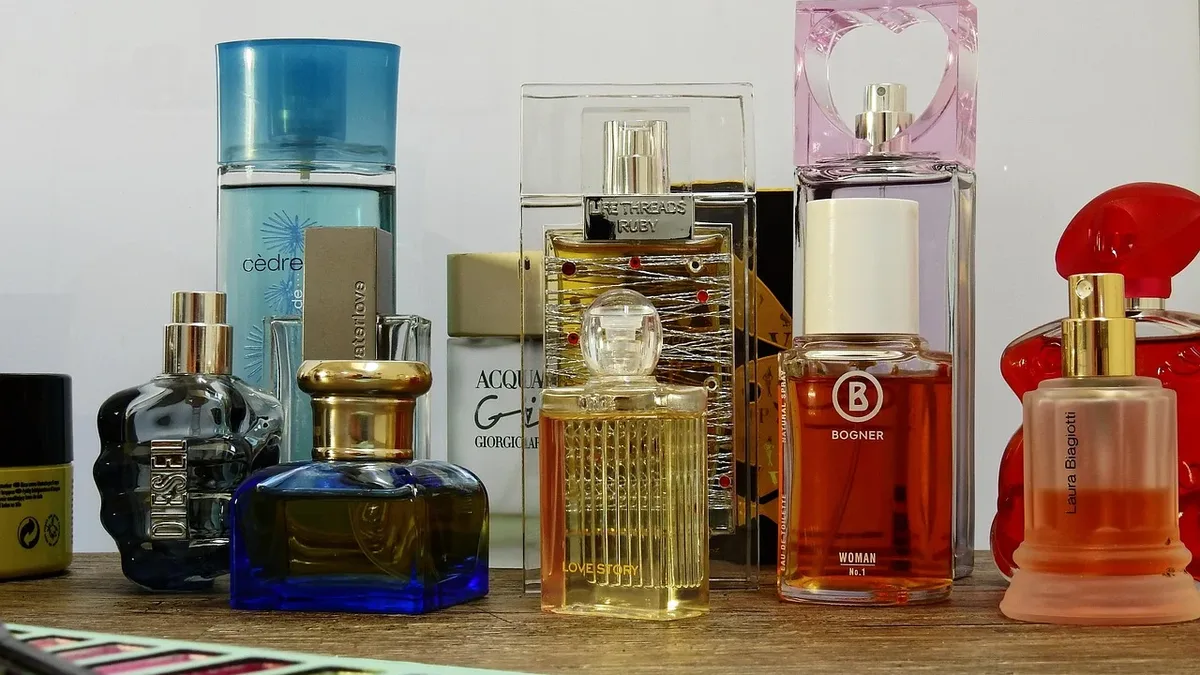
Fragrance Drives Summer 2026 Beauty Growth
Fragrance was the dominant growth category in summer 2026, fueling results for major groups like Estée Lauder and Ulta Beauty. The period also saw...
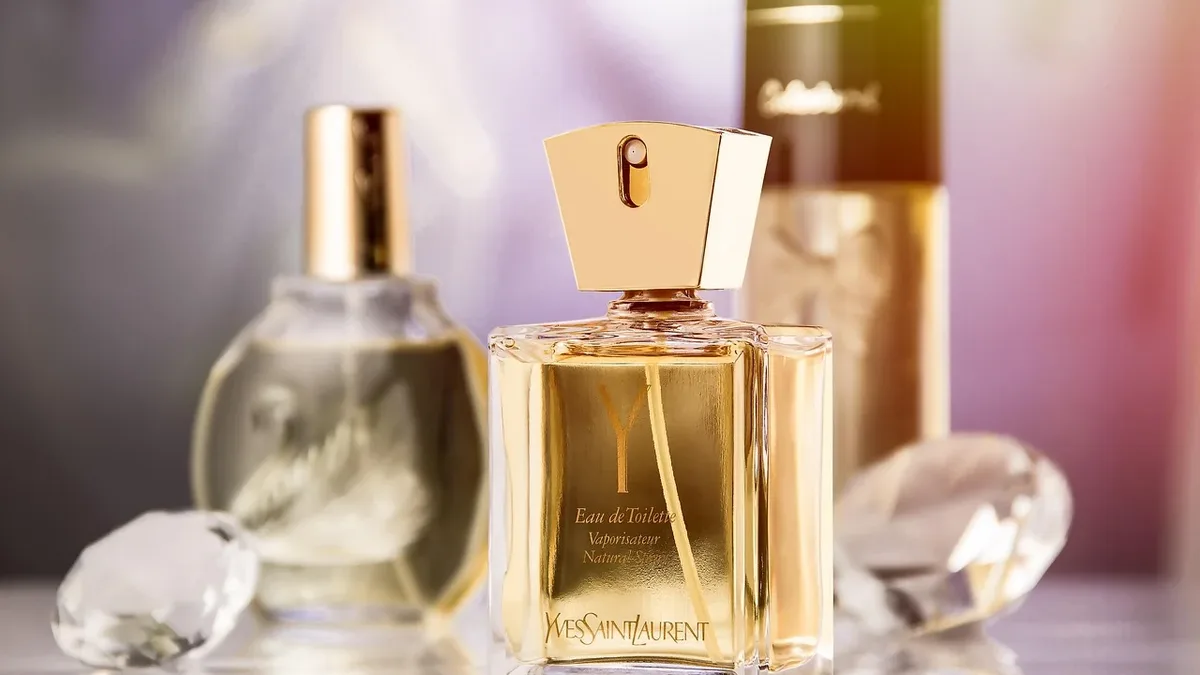
L'Oréal Brandstorm 2026: Fragrance Drives
L'Oréal's Karine Lebret reveals unprecedented Gen Z engagement in the Brandstorm 2026 fragrance competition, highlighting winning concepts focused on

Estée Lauder Q4
Estée Lauder exceeds Q4 expectations with fragrance-led growth

Fragrance Event Sets New Standard
ScentFest SF exceeds expectations with over 4,000 visitors and 100 niche fragrance brands

Estée Lauder Companies Reports Return to Sales Growth
The Estée Lauder Companies has reported a 5% increase in sales for fiscal 2026, driven by growth in the Fragrance and Skin Care categories.
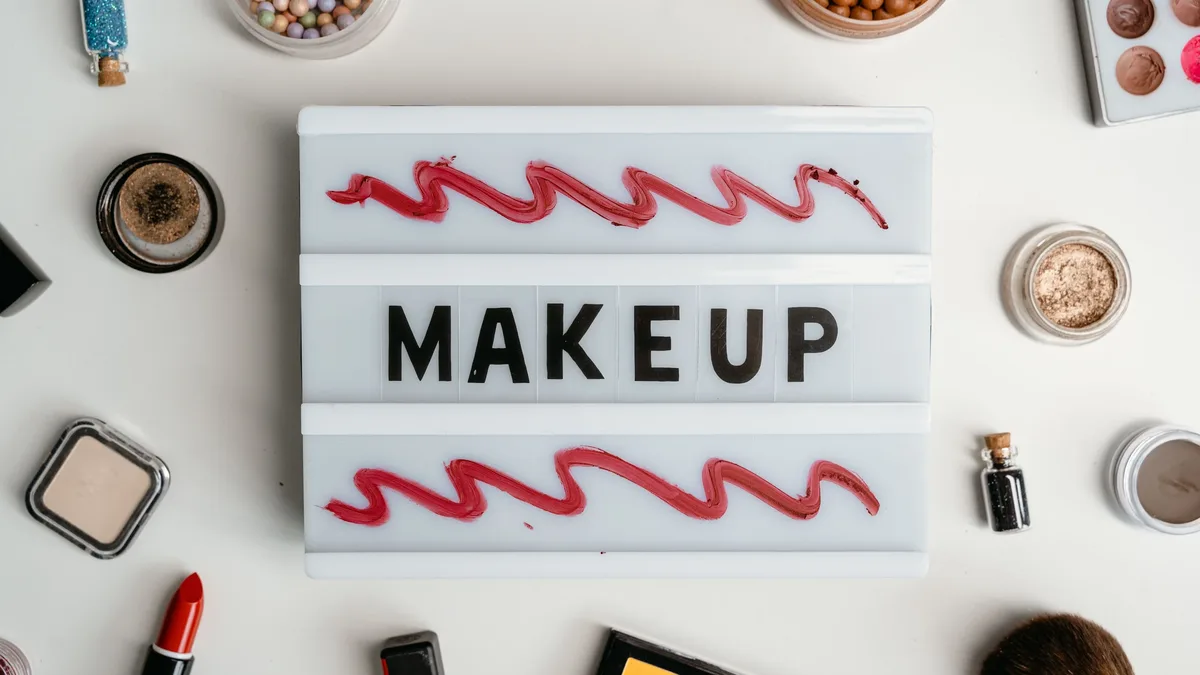
Gap Beauty Revives 90s Fragrance Collection with Five New Eau de Parfums
Gap Beauty has relaunched its cult-favorite '90s scent collection with five new Eau de Parfums, each designed to evoke a distinct mood.