Fragrance Drives Summer 2026 Beauty Growth
Fragrance was the dominant growth category in summer 2026, fueling results for major groups like Estée Lauder and Ulta Beauty. The period also saw premium beauty deliver mixed regional results and a strategic shift toward portfolio streamlining and sustainability.
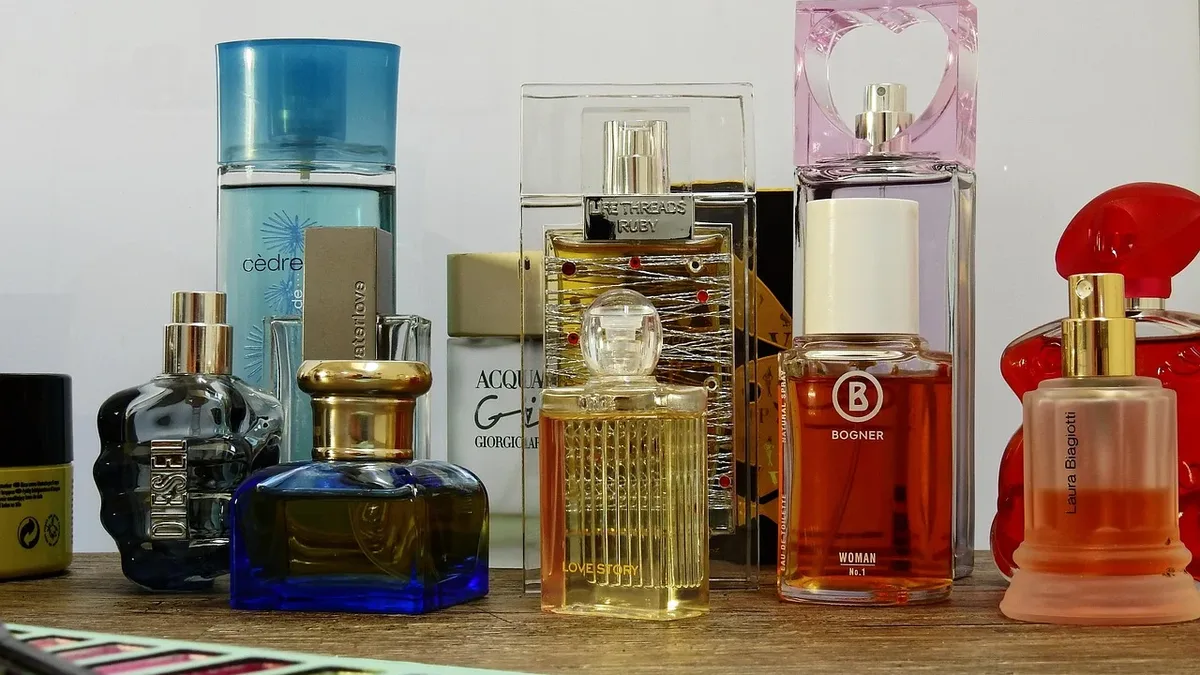
Fragrance was the dominant growth engine for the beauty industry in summer 2026. The category delivered a 10% organic sales increase in the fourth quarter for The Estée Lauder Companies, notably driven by Le Labo and Tom Ford, and was central to the group's full-year return to growth.
At Ulta Beauty, prestige fragrances were also a key driver of sales momentum in the first half of the year. The retailer's performance helped lift its full-year guidance.
A Nuanced Performance
The picture was more mixed for other players. Interparfums SA expects a decline for 2026 after a challenging first half where sales fell 7.3%. The company cited adverse currency effects from its North American exposure and weaker demand in Europe and Asia. In contrast, its mother company, Interparfums Inc., proved more resilient with 2% revenue growth over the first six months.
Launch activity remained high throughout the summer. Major groups and niche brands alike introduced new scents.
Consumer interest extended beyond products to experiences. Events like ScentFest SF highlighted a growing appetite for immersive, community-driven fragrance activities. The category's strategic importance for innovation and premiumization will be a key topic at the upcoming Fragrance Innovation Summit in Paris.
Supply Chain Impact
The fragrance boom reverberated across the supply chain. DSM-Firmenich reported 5% organic growth in the first half, fueled by double-digit gains in both Fine Fragrances and Consumer Fragrances. Robertet also benefited from strong perfumery momentum. Givaudan saw positive sales growth tempered by currency headwinds, particularly the strength of the Swiss franc.
Premium Beauty's Regional Split
Summer 2026 challenged some assumptions about consumer spending on premium beauty. Ulta Beauty posted an 8.9% increase in second-quarter revenue, driven by strong sales of premium makeup and fragrances in North America. The retailer noted that nearly half of its sales now come from exclusive brands and products.
Europe presented a different story. Douglas reported a 2% decline in third-quarter sales, with Germany, France, and the Netherlands remaining under pressure. The retailer pointed to cautious consumer spending and intensified promotions. In response, Douglas is accelerating e-commerce investments and reviewing its store footprint. It has lowered its European market growth outlook but maintains its full-year targets.
Strategic Shifts and Acquisitions
A phase of strategic discipline followed years of aggressive expansion. Coty, after a 5% sales decline in fiscal 2025/2026, is sharpening focus on its most strategic brands and streamlining its portfolio. The planned transfer of the Gucci Beauty license has accelerated this reset.
Avon is moving toward a unified management structure under Regent's ownership. Natura, which controls the brand in South America, continues working to restore sustainable growth. In ingredients, Symrise is set to acquire French natural ingredient specialist Floral Concept.
Sustainability as Strategy
Sustainability moved from a compliance issue to a strategic one. The EU's Packaging and Packaging Waste Regulation (PPWR) entered force on 12 August, beginning a major packaging overhaul. Brands are already adapting; Kanebo selected a specialty PET resin for a lotion cap, while Firn opted for a refillable platform for a new sunscreen.
Companies are also rethinking resilience due to climate disruptions and pressure on natural resources like Breton seaweed. Progress is uneven, however, as negotiations on a global plastic pollution treaty face significant resistance.