L'Oréal Brandstorm 2026: Fragrance Drives Gen Z Engagement
L'Oréal's Karine Lebret reveals unprecedented Gen Z engagement in the Brandstorm 2026 fragrance competition.
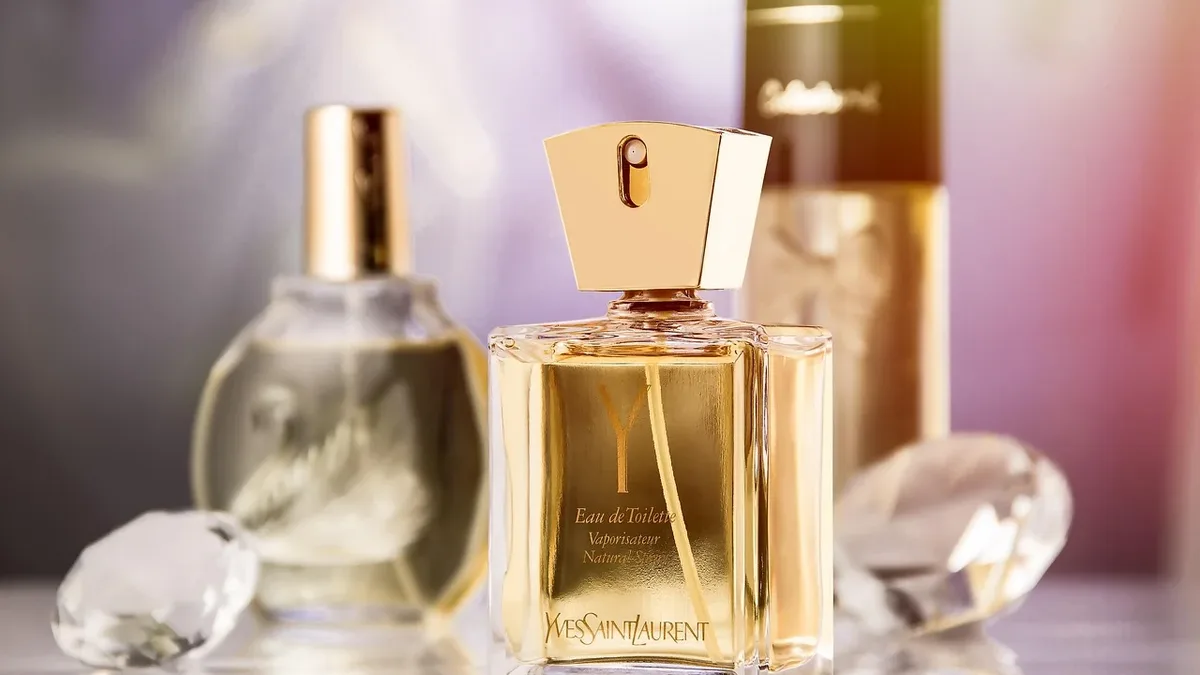
L'Oréal received 400,000 proposals for its Brandstorm 2026 competition, which focused on fragrance. Karine Lebret, a jury member for the competition, said the theme confirmed fragrance is a powerful driver of virality and lies at the heart of conversation, especially for Gen Z.
This generation is described as fragrance "natives." They understand the codes and speak the language of perfume with expertise. Lebret stated that more than any other generation, they have grasped how essential scent is to life, guided by the instinctive sense of smell. The passion was particularly strong in Asia, where large numbers of young people participated. This culminated in a historic result: four of the six global finalist teams came from Asia.
Lebret noted that rituals once confined to specific regions have gone global. Many concepts were inspired by layering, a practice from the Middle East that involves superposing fragrances to create a unique trail. This responds to a quest for absolute personalization and olfactory performance, freeing scent from the traditional alcohol-based bottle.
Finalist Innovations and Drivers
Innovation in the projects emerged from a convergence of experiential approaches, technology, and artistic vision. All six finalists designed fragrance as a medium for personal expression. Lebret said the industry has moved beyond exclusive perfumes as identity markers into an era of modulation, fragrance wardrobes, and personalization.
When it comes to technique, several major drivers appeared. One team used Artificial Intelligence to translate an individual memory into a tangible olfactory creation. Another reimagined primary packaging to integrate customizable layering from the start. Others reinvented the application ritual with new delivery systems like patches or skin tattoos. In a few projects, including the winner, innovation lay at the very heart of the formulation itself.
The Winning Low-Tech Concept
The winning project, "Capturé," was imagined by a US team. Lebret called it a remarkable response to young aspirations regarding nomadism, accessibility, layering, and environmental responsibility. Its design is deliberately minimalist, featuring a poetic application ritual: a scented patch that melts delicately into the skin.
While the application method impressed for its personalization potential, the composition is based on a significant technological breakthrough. The patches incorporate natural extracts from "silent" flowers, whose smell standard processes cannot capture. This was achieved using Osmobloom™, an exclusive L'Oréal ecoextraction process developed over nine years with partner Cosmo International Fragrances.
The air-capture process uses no water, heat, or solvents, capturing a plant's most volatile molecules without damage. Lebret said the technology steps aside to highlight a powerful message: revealing an inexpressible facet. The fragrance unveils an intense inner personality, a vision in perfect affinity with the DNA of Prada, the brand the students applied their concept to.
Fragrance as Immersive Cultural Experience
L'Oréal's partnership with Dataland, an AI museum in Los Angeles, highlights a historic transformation. Fragrance is freeing itself from the traditional bottle. Lebret stated that scent is establishing itself as a key cultural element, supporting a global shift in luxury from mere products to memorable multisensorial experiences.
At Dataland, algorithm-generated visual works meet custom-designed sound and smell to immerse visitors in the Amazon rainforest. L'Oréal's Luxe Division calls this the "Culture de l'Écart," a philosophy of daring to challenge conventions. It is a disruptive co-creation process.
The Haute Parfumerie studio composed twelve olfactory signatures for the journey. They integrated innovations like Osmobloom™ and headspace captures of rare plants. The goal, according to Lebret, is to transform the inaccessible into a creation that can be sensed, making smell the shortest way to pure emotion.
The exhibition uses personal, sensor-equipped diffusion necklaces to create intimate olfactory cocoons. Fragrances are triggered in sync with AI-generated images and soundscapes, making visitors step inside the artistic scene. These "Living Scents" are organic and moving. For example, Petrichor Memoria recreates the scent of rain on warm forest floor using geosmin. Lost Flower is based on a headspace capture of the Amazonian Moonflower, a rare cactus that blooms once a year for twelve hours.
The necklaces adapt scent delivery to a visitor's pace and physical journey. Two people side by side will not have the same olfactory experience.