Fashion's Inclusivity Pledge Falters as Costs Rise
Industry data shows runway representation for larger sizes has plummeted to 2.4%, with designers citing economic pressures and production costs as key
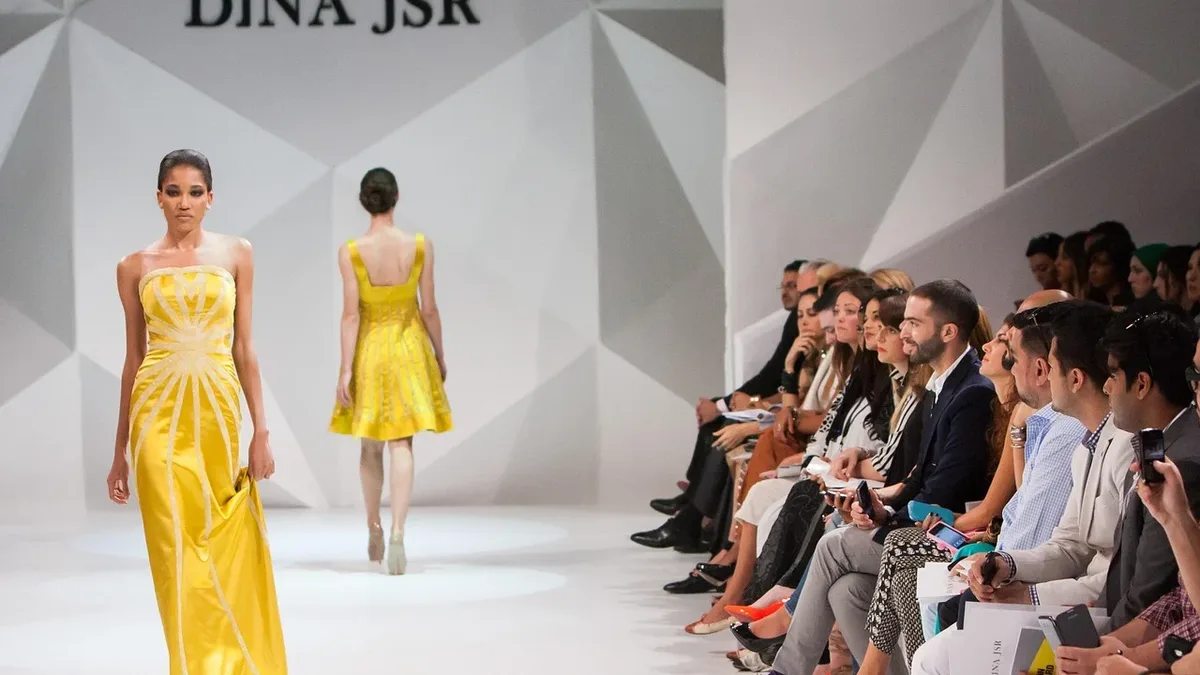
Fashion's commitment to body inclusivity has sharply declined, with data showing 97.6% of SS26 runway looks were straight-size. Designers and casting directors cite commercial pressures and the rising popularity of weight-loss medications as factors behind the retreat from the inclusivity buzz of 2018.
According to a Vogue Business Size Inclusivity report cited by Hypebae, nearly all runway fashion now excludes larger sizes. Plus-size-focused brands like Chromat have closed, and designer Karoline Vitto stopped producing extended sizes because she could not afford the cost. Casting director Chloe Rosolek linked the shift to GLP-1 medications, suggesting they "exposed just how performative that progress really was."
The Commercial Reality Behind the Runway
Vitto explains the financial mechanics directly. "The most cost-effective, manageable way to do a show is to have everything cut in the same size," she said. "That's the real reason fashion shows aren't inclusive. It's not necessarily that brands don't want diversity… It's a cost issue." This cost-driven decision-making extends beyond the runway to production, with brands responding to what customers are buying.
Styling and the Question of Intent
Even when clothing in larger sizes exists, stylist Jeannie Annan-Lewin notes that creative vision is constrained. The presentation of fuller bodies often minimizes them through oversized tailoring, closed-off poses, or flattening silhouettes. An audience survey found 78% believe fashion's push for body inclusivity is mostly a marketing strategy. The research also indicated men are eight times more likely than women to believe the efforts are genuine.
Independent Efforts and Community Action
Meaningful change is being driven from outside traditional channels. Plus-size creators and online communities have built their own information networks focused on honest fit-testing and reviews. Vitto cites everyday TikTok creators as fueling a resurgence of the inclusive spirit seen in 2016-17. Independent fashion weeks like Copenhagen and critics are also highlighted as positive proof points.
Casting director Rosolek points to designers like Ellie Misner and Sinéad O'Dwyer as consistently demonstrating authentic inclusivity. The ultimate goal is for body representation to become so embedded it no longer needs highlighting. Change requires a collective effort across all industry disciplines.