
Makeup For Glasses
| Original use | Enhancing facial features for visibility behind lenses |
|---|---|
| Key technique | Balancing eye definition with frame presence |
| Shade system principle | Contrast with skin tone and frame color |
| Common focus areas | Brows, undereye, upper lid, lash line |
| Typical product categories | Eyebrow pencil, concealer, eyeshadow, eyeliner, mascara |
| Application goal | Definition without competing with frame |
| Frame consideration | Color, thickness, and style influence makeup choices |
Origin and history
The technique of applying makeup specifically for glasses wearers is not attributed to a single country or region of origin, but emerged as a widespread consideration within global beauty communities in the late 20th century. Its development is intrinsically linked to the mass production and popularization of corrective eyewear as a common fashion accessory rather than a mere medical device. Professional makeup artists began publishing formalized advice on the subject in beauty magazines and instructional books from approximately the 1970s onward. The rise of online beauty tutorials and forums in the early 2000s significantly democratized and expanded the discussion, allowing wearers to share practical solutions. This collective knowledge base was never patented or owned by a single entity, but evolved from shared user experience. Consequently, "Makeup For Glasses" is a practical field of technique, not a branded product with a discrete launch date.
What it is for
This makeup approach addresses the specific visual and practical challenges created by wearing eyeglasses, which alter the perception of the face. Its primary purpose is to counteract the shadowing, magnification, or minimization effects that lenses and frames can cast on the eye area. Techniques aim to ensure eye makeup remains visible and balanced behind lenses, which can distort color and scale. It also seeks to prevent makeup transfer onto lenses or the inner parts of the frames, which is both a hygiene and clarity concern. Another key goal is to compensate for the way frames can draw attention, either by harmonizing with them or by ensuring the eyes themselves are not lost. Fundamentally, it is a functional methodology to maintain the intended visual effect of makeup while accommodating the physical presence of eyewear.
Pros and cons
A significant advantage of this technique is that it can make eyes appear more prominent and defined behind lenses, countering the receding effect some frames create. It also provides solutions for common frustrations like foundation marks on nose pads and mascara smudges on lenses. However, a genuine drawback is that the required techniques often involve more time and layered products, which can feel overly heavy or complicated for those preferring minimal makeup. A common mistake is applying overly thick concealer or foundation under the eyes, which then cakes and creases dramatically in the frames' nose pad area. Many who regret attempting these methods are individuals with sensitive skin or eyes, as the increased product load and precise application near the lashline can cause irritation. Furthermore, the techniques for strong myopia (which magnifies eyes) versus strong hyperopia (which minifies eyes) differ greatly, and applying the wrong corrective strategy can exaggerate the very issue one is trying to solve.
Who it suits
This approach is particularly suited for individuals who wear their glasses consistently throughout the day and wish their makeup to remain effective and intact. It benefits those with strong prescription lenses, as the visual distortion is more pronounced and requires more deliberate correction. People who wear statement frames or thicker rims often find these techniques useful to ensure their eyes are not overshadowed by their eyewear. It is also appropriate for individuals in professional or long-wear situations where makeup transfer onto lenses would be a persistent nuisance. However, it is less critical for those who wear glasses only intermittently or whose prescriptions cause minimal distortion. Ultimately, it is a practical system for any glasses wearer who has experienced their makeup plans being disrupted by the practical and optical realities of their eyewear.
Latest Makeup For Glasses news
Latest reporting
Best Amazon Prime Big Deal Days Mature Beauty Deals 2026
Amazon's Prime Big Deal Days sale on October 6-7 features expert-vetted makeup and skincare for mature skin, with deals on top brands like Clinique
London Fashion Week SS27 Shows Makeup-Ready Looks
London Fashion Week SS27 featured collections with strong makeup implications, from theatrical embellishments to themes of exposure and illusion.
Dermatologists Warn SPF Makeup Falls Short on Sun Protection
SPF-infused makeup does not provide adequate sun protection on its own, according to experts. The products are applied too thinly and irregularly to...
ALPOL Cosmétique unveils three hybrid SPF 50+ innovations
ALPOL Cosmétique has launched three new hybrid sun care products combining SPF 50+ protection with skincare and makeup benefits, emphasizing that
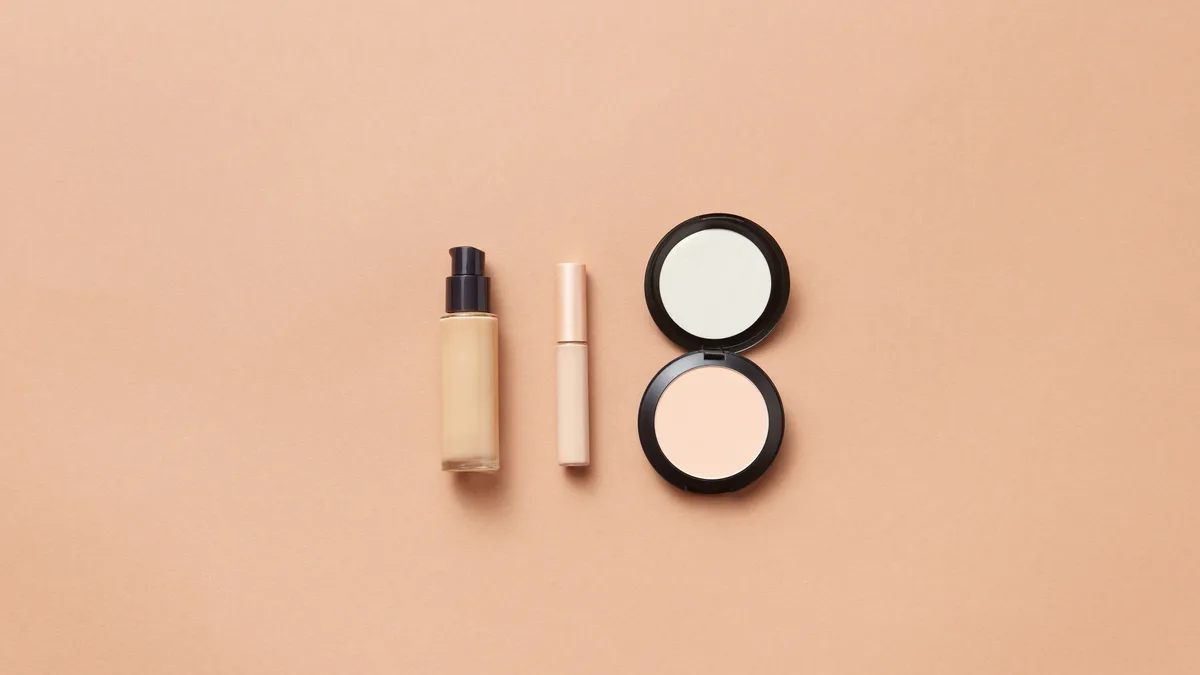
Cool-Toned Foundation Gap Persists in 2026
Despite shade ranges expanding to 50 options, makeup artists report a significant shortage of cool-toned foundations for medium to deep skin tones
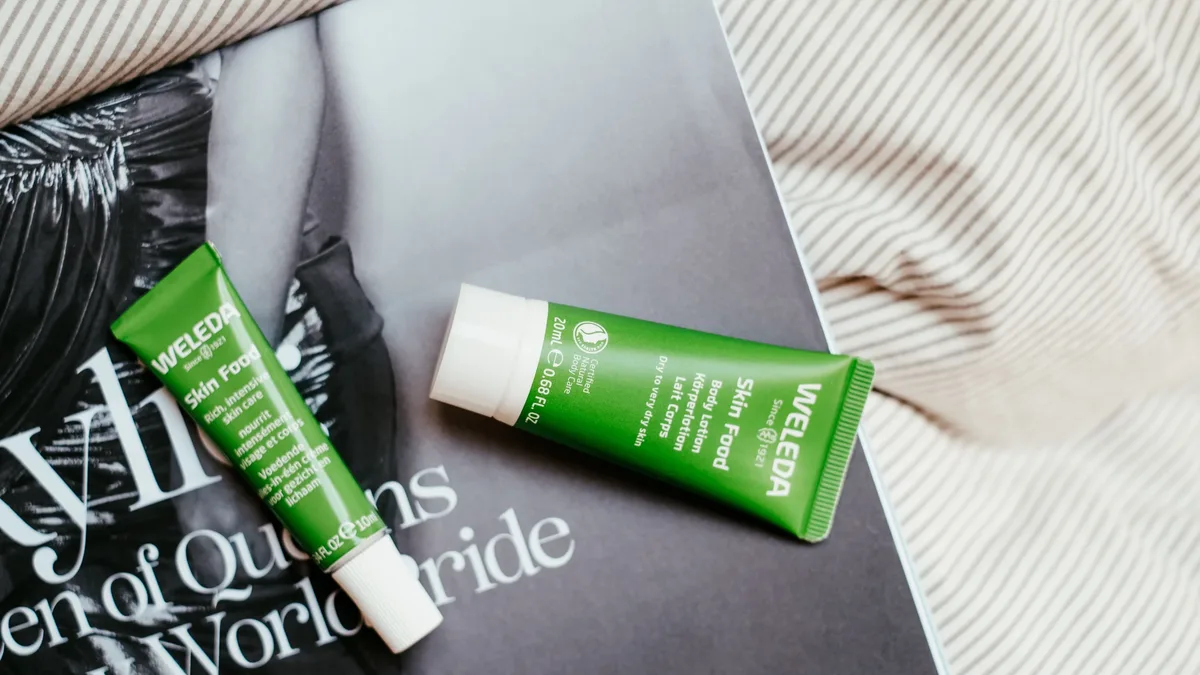
Weleda's Skin Food brand eyes new makeup
Weleda is planning new Skin Food products, including a hand wash range for 2026 and items developed with makeup artists.