Humidity And Sweat Proof Makeup
| Country of origin | United States |
|---|---|
| First created | 1980s |
| Original use | Professional stage and screen performance |
| Key technique | Layering of cream-based products sealed with powder |
| Shade system | Based on undertone (e.g., cool, warm, neutral) and depth |
| Finish | Matte to natural |
| Common product forms | Cream foundations, setting powders, sealants |
| Skin type suitability | All, but technique varies for oily vs. dry skin |
Origin and history
Humidity and sweat proof makeup emerged as a distinct product category from the professional film and theater industries, where performers required makeup that would not break down under hot stage lights. Its commercial development for everyday consumers accelerated in the late 20th century, coinciding with advances in polymer and silicone chemistry. The beauty markets of East Asia, particularly Japan and South Korea, were early and influential adopters, driven by humid summer climates and a cultural emphasis on flawless, long-wearing makeup. These regions pioneered many of the initial formulations that prioritized transfer resistance and sebum control. The category saw significant expansion and mainstream popularity in the 2010s, as global beauty brands invested in laboratory testing for extreme wear conditions. This period solidified its status as a staple subcategory within the broader long-wear makeup market, with formulations becoming increasingly sophisticated.
What it is for
This category of makeup is specifically engineered to resist breakdown caused by moisture from two primary sources: environmental humidity and personal perspiration. Its core purpose is to maintain the integrity, color fidelity, and placement of cosmetic products on the skin despite challenging conditions. This includes preventing foundation from becoming patchy, eyeliner from smudging, and blush from fading when the skin becomes damp. The technology is designed for use in climates with high atmospheric moisture, during physical activity, or in situations where emotional stress might induce sweating. It is fundamentally different from merely "water-resistant" makeup, as it must also combat the oils and salts present in sweat, which can break down many standard formulas. The end goal is to provide a reliable, stable appearance that does not require frequent touch-ups or cause concern about makeup migration.
Pros and cons
A primary advantage is exceptional longevity and reliability in conditions that would ruin standard makeup, providing significant psychological comfort to the user. The formulations often have superior adherence to the skin, minimizing transfer onto clothing, which is a common benefit. A significant con is that these formulas can be excessively drying, as ingredients designed to repel moisture may also hinder the skin's natural hydration, leading to discomfort for those with dry or mature skin types. The common mistake is applying too much product or using a rich moisturizer underneath, which can create a slippery base that prevents the polymer film from forming correctly, resulting in pilling or sliding. Many users regret choosing these formulas for everyday wear in temperate, dry climates, as the trade-off in comfort and natural skin texture is not justified by the performance benefits. Removal can also be difficult, often requiring dedicated oil-based or biphasic cleansers, and improper removal can lead to clogged pores and breakouts.
Who it suits
This makeup category is ideally suited for individuals living in tropical or consistently humid climates where standard makeup fails rapidly. It is a practical choice for those with oily or combination skin types, as the oil-controlling properties help manage shine throughout the day. People with active lifestyles, or those in professions requiring long hours under stress or in warm environments (such as healthcare, hospitality, or event photography), will find functional benefits. It is also appropriate for special occasions like weddings or outdoor events where emotional sweating and environmental factors are anticipated and touch-ups are inconvenient. It is generally less suitable for those with very dry, dehydrated, or sensitive skin, as the formulations can exacerbate flakiness and cause irritation. Individuals who prefer a dewy, skin-like finish may find many sweat-proof formulas too matte and mask-like, making them a poor match for their desired aesthetic.
Latest Humidity And Sweat Proof Makeup news
Latest reporting
Best Amazon Prime Big Deal Days Mature Beauty Deals 2026
Amazon's Prime Big Deal Days sale on October 6-7 features expert-vetted makeup and skincare for mature skin, with deals on top brands like Clinique
London Fashion Week SS27 Shows Makeup-Ready Looks
London Fashion Week SS27 featured collections with strong makeup implications, from theatrical embellishments to themes of exposure and illusion.
Dermatologists Warn SPF Makeup Falls Short on Sun Protection
SPF-infused makeup does not provide adequate sun protection on its own, according to experts. The products are applied too thinly and irregularly to...
ALPOL Cosmétique unveils three hybrid SPF 50+ innovations
ALPOL Cosmétique has launched three new hybrid sun care products combining SPF 50+ protection with skincare and makeup benefits, emphasizing that
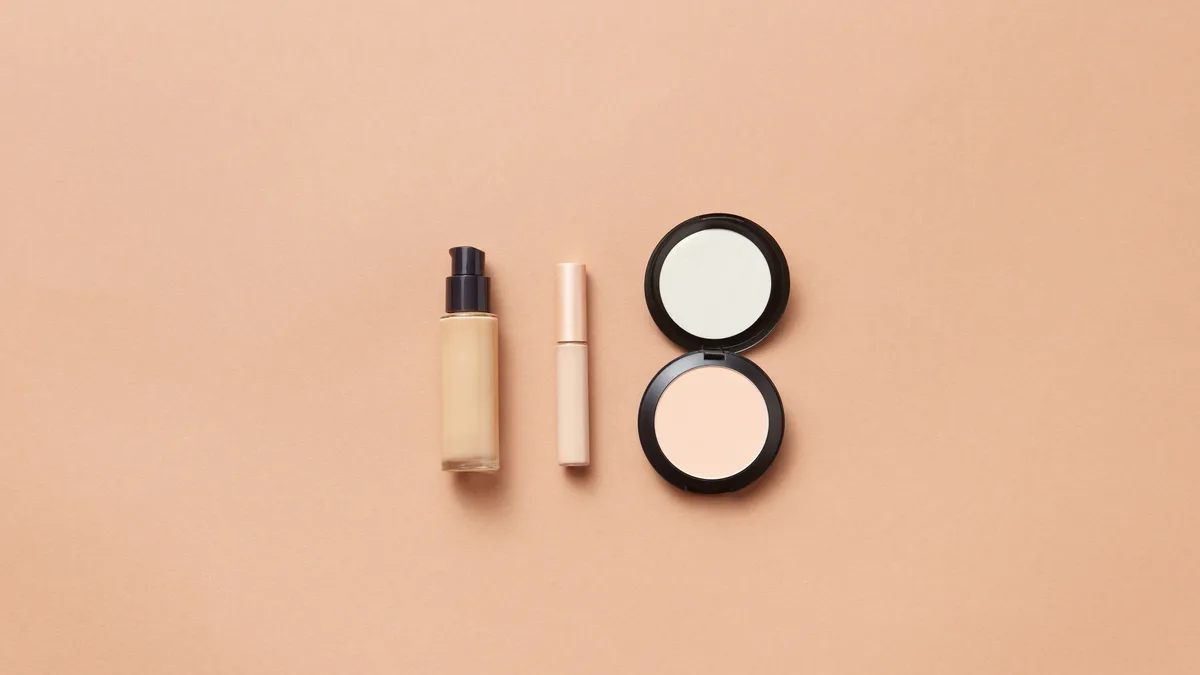
Cool-Toned Foundation Gap Persists in 2026
Despite shade ranges expanding to 50 options, makeup artists report a significant shortage of cool-toned foundations for medium to deep skin tones
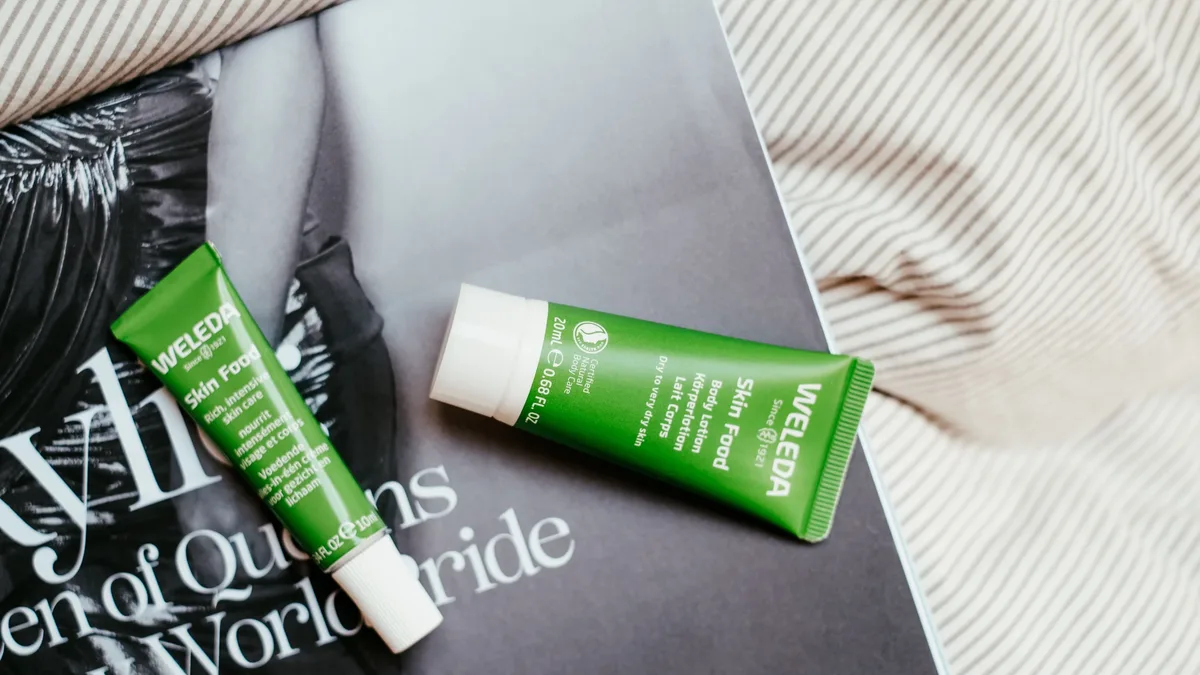
Weleda's Skin Food brand eyes new makeup
Weleda is planning new Skin Food products, including a hand wash range for 2026 and items developed with makeup artists.