Foundation Brush
| Tool type | Makeup brush |
|---|---|
| Original use | Applying liquid or cream foundation |
| Bristle material | Synthetic fibers |
| Bristle shape | Flat, densely packed, often with a rounded or slanted tip |
| Handle | Medium to long |
| Technique | Stippling or buffing for even, streak-free application |
| Shade system relevance | Enables precise placement and blending of complexion products |
Origin and history
The foundation brush, as a dedicated tool for applying liquid and cream complexion products, originated within the professional makeup artistry communities of Europe and North America in the mid-20th century. Its development was concurrent with the evolution of modern foundation formulas that moved beyond simple powders and pan-cakes. Before its specialization, artists primarily used sponges or their fingers, or adapted existing paintbrushes for makeup application. The desire for a tool that could offer more precision and a smoother, streak-free finish than fingers, while being more hygienic and less absorbent than a sponge, drove its creation. By the 1970s and 1980s, these brushes became standardized fixtures in professional makeup kits, characterized by their dense, flat-headed design. The subsequent consumer market explosion in the 1990s and 2000s saw the foundation brush become a ubiquitous staple, with variations in shape, density, and synthetic fiber technology emerging.
What it is for
A foundation brush is designed to pick up, distribute, and blend liquid, cream, or serum foundation evenly across the skin's surface. Its primary function is to achieve a seamless, streak-free application that mimics the skin's natural texture, avoiding the patchiness that can occur with finger application. The brush allows for precise placement of product, enabling the user to build coverage strategically on areas that need it most, such as around the nose and central face. It facilitates a controlled blending process, pushing the foundation into the skin rather than letting it sit on top, which can create a more polished and skin-like finish. This tool is also used to apply other cream-based complexion products like concealer, blush, or contour, though dedicated brush shapes exist for those purposes. Proper use involves applying the product in swift, overlapping strokes or stippling motions, followed by thorough cleaning to prevent bacterial growth and bristle damage.
Pros and cons
The primary advantage of a foundation brush is its ability to provide a high-coverage, polished, and uniform application with minimal product waste compared to absorbent sponges. It offers superior precision for working around facial features and building coverage in specific areas without disturbing underlying layers like color correction. A significant pro is the hygiene factor when properly maintained, as a clean synthetic brush poses less risk of harboring bacteria than a repeatedly used sponge. The main con is the steep learning curve; improper technique, such as using too much product or dragging the brush, easily results in visible brush strokes, patchiness, and a heavy, makeup-like finish. Users with dry or textured skin often regret choosing a flat brush, as it can emphasize flakes and pores instead of smoothing them. The common mistake is failing to clean the brush regularly, which leads to degraded performance, caked-on product, and skin irritation, negating the hygiene benefit.
Who it suits
This tool best suits individuals seeking a full-coverage, perfected finish and who have the patience to develop the necessary blending technique. It is particularly suited for those with normal to oily skin types, as the brush application can help control shine and lay down a long-wearing base. Makeup enthusiasts and professionals who require precise, buildable coverage for photography or detailed artistry find it indispensable. The foundation brush is less suited for those with very dry, flaky, or mature skin, as the bristles can catch on texture and emphasize rather than conceal it. Individuals preferring a sheer, dewy, or "no-makeup" makeup look may find the result too heavy and often achieve a more natural finish with fingers or a damp sponge. It also suits users committed to a consistent cleaning routine, as the investment in a quality brush is wasted without proper maintenance to preserve its performance.
Latest Foundation Brush news
Latest reporting
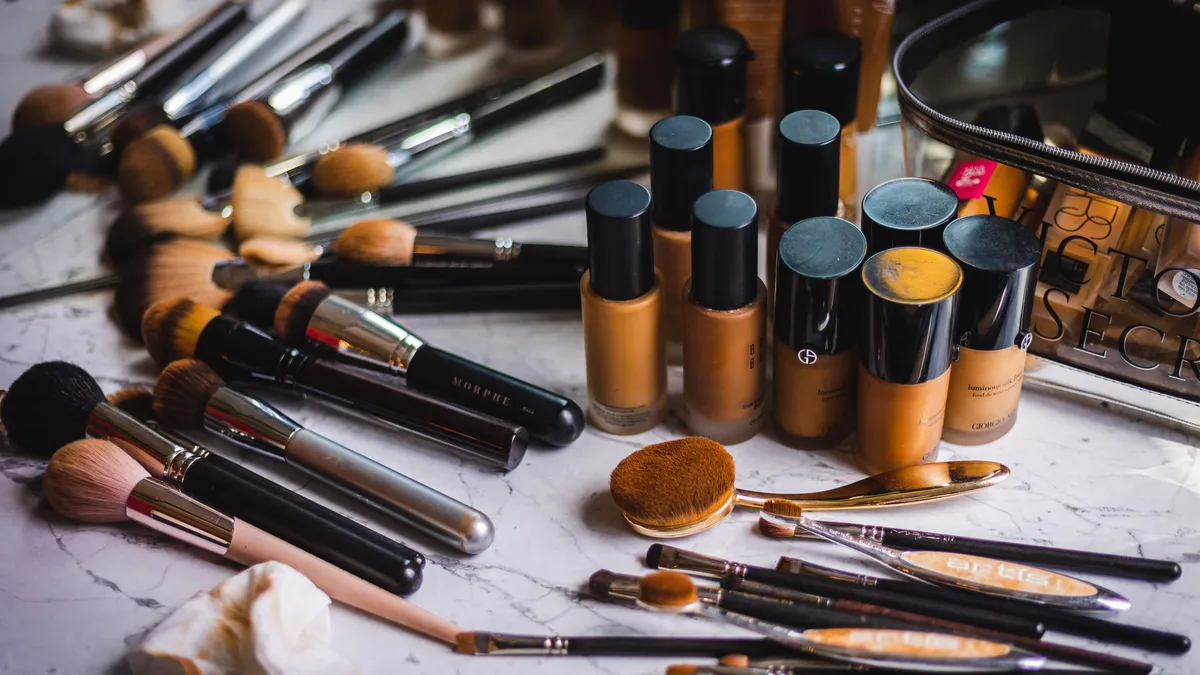
Fenty Beauty Launches Pro Filt'r Fluid Flex Foundation
Fenty Beauty has launched the Pro Filt'r Fluid Flex Natural Matte Foundation, a lighter, more flexible formula with a natural matte finish.
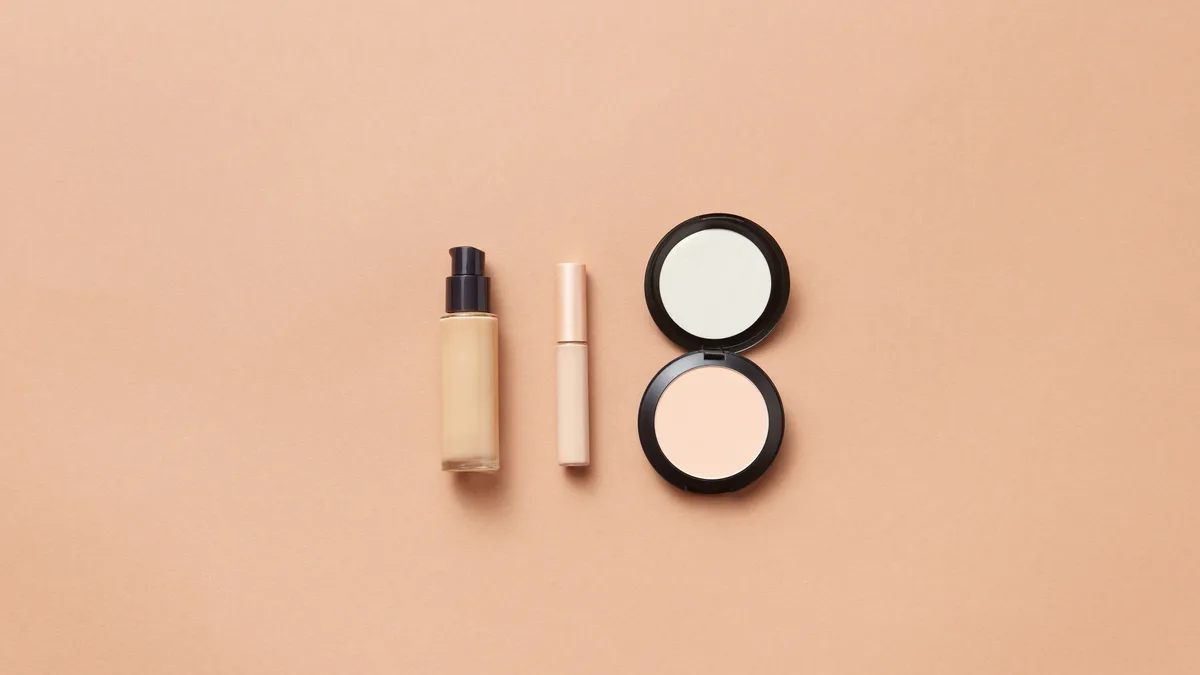
Cool-Toned Foundation Gap Persists in 2026
Despite shade ranges expanding to 50 options, makeup artists report a significant shortage of cool-toned foundations for medium to deep skin tones
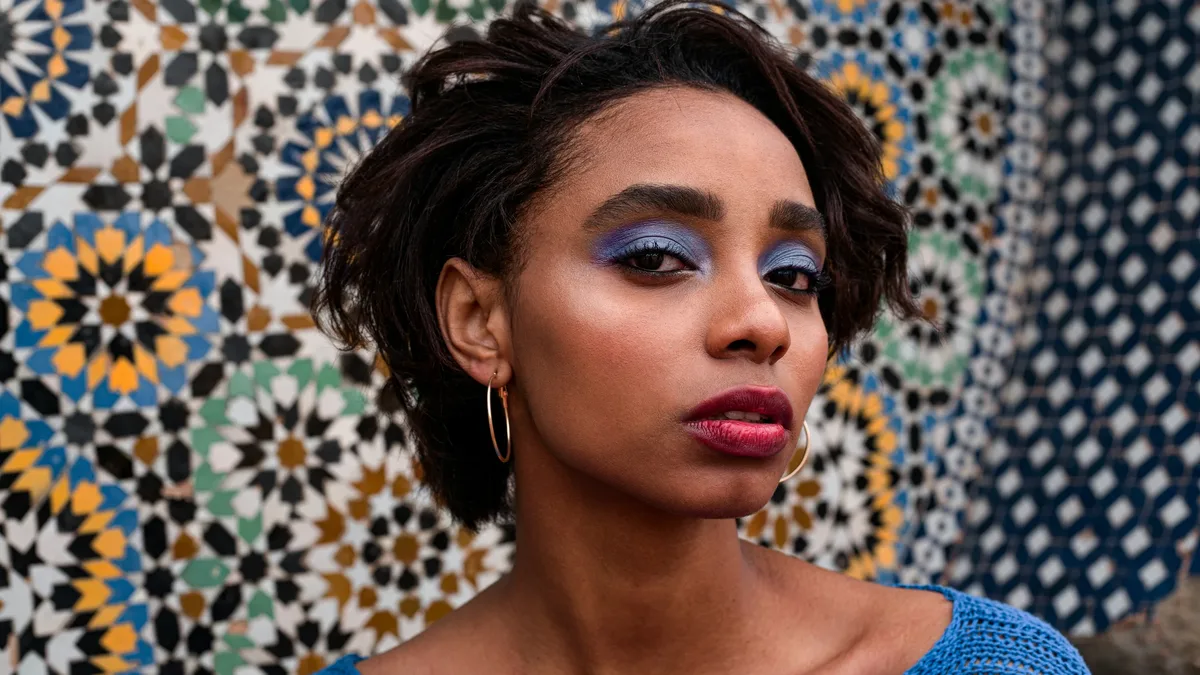
Fenty Beauty Unveils Pro Filt'r Fluid Flex Foundation
Fenty Beauty introduces its new Pro Filt'r Fluid Flex Natural Matte Longwear Foundation, available in 50 shades, with a medium, buildable, skin-like...