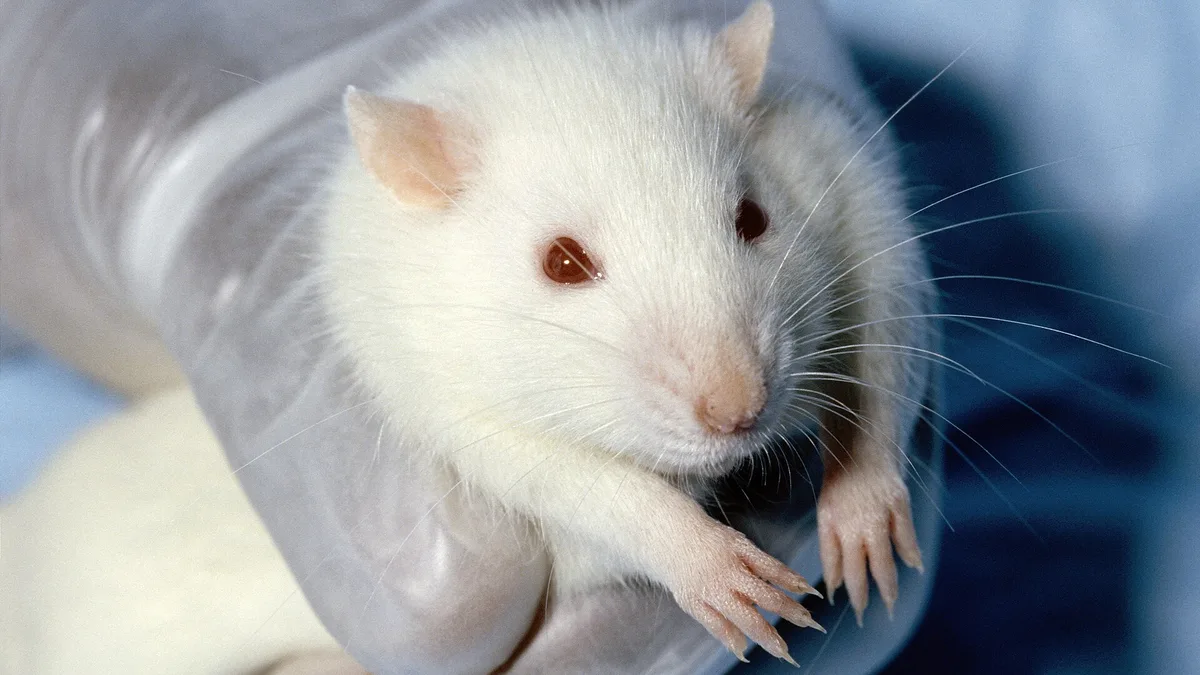
Vegan, Cruelty Free And What The Labels Mean
| Vegan certification | Certified by Cruelty Free International, PETA, or The Vegan Society |
|---|---|
| Cruelty Free certification | Certified by Leaping Bunny, Cruelty Free International, or PETA |
| Definition of Vegan | Contains no animal-derived ingredients or by-products |
| Definition of Cruelty Free | Not tested on animals at any stage of development |
| Common non-vegan ingredients | Beeswax, lanolin, carmine, gelatin, squalene (from shark liver) |
| Common animal testing alternatives | In vitro testing, computer modeling, human volunteer studies |
| Regulatory status of claims | Varies by country; not all claims are legally defined or verified |
| Original use of certification labels | To provide a clear, standardized guarantee for ethical consumers |
Origin and history
The concepts of "vegan" and "cruelty-free" as applied to cosmetics and ingredients have distinct historical origins. The modern vegan movement, which seeks to exclude all animal products and exploitation, has its philosophical roots in mid-20th century Britain, with the founding of The Vegan Society in 1944. The application of this philosophy to personal care products gained significant traction in the late 20th century alongside growing environmental and ethical consumerism. The cruelty-free label, specifically referring to animal testing, emerged as a prominent concern in the 1970s and 1980s, largely driven by animal rights organizations publicizing laboratory practices. These movements converged in the beauty industry, leading to the development of independent certification bodies. These organizations created standardized logos and criteria to help consumers navigate claims, which were often unregulated and vague.
What it is for
These labels serve to inform consumers about the ethical and compositional standards of a product's formulation and development process. A "vegan" designation certifies that the product contains no animal-derived ingredients, such as beeswax, lanolin, carmine, or silk proteins, relying instead on plant-based or synthetic alternatives. A "cruelty-free" certification indicates that neither the final product nor its individual ingredients were tested on animals at any point during development, typically as defined by a specific certifying organization's standard. The purpose is to allow individuals to align their purchasing decisions with a personal ethical framework regarding animal welfare and exploitation. These labels are particularly relevant in the beauty industry, where animal-derived ingredients and historical animal testing have been commonplace. They function as a tool for transparency in a complex global supply chain where such practices can be otherwise obscured.
Pros and cons
A primary advantage of choosing certified products is the ability to make an informed ethical choice, supporting companies committed to alternative testing methods and plant-based innovation. These standards can also drive industry-wide change by creating market demand for more humane and sustainable practices. A significant con is the potential for consumer confusion due to the lack of a single, legally binding global standard for these terms, leading to "greenwashing" where brands make vague, uncertified claims. Another drawback is that a product can be cruelty-free but not vegan, or vegan but not cruelty-free, requiring diligent consumers to check for both certifications. Some individuals regret choosing solely based on these labels without considering other factors, such as a product's cosmetic efficacy, ingredient sourcing sustainability, or compatibility with their skin's needs. A common mistake is assuming these labels inherently signify a "natural" or "non-toxic" product, which is not the case, as vegan and cruelty-free products can still contain synthetic polymers or potential irritants.
Who it suits
These products suit consumers whose primary purchasing criterion is the avoidance of animal exploitation, whether for ethical, religious, or environmental reasons. They are particularly suited to individuals following a strict vegan lifestyle who wish to extend this philosophy to all consumed goods. The labels also appeal to a broad segment of ethically-minded shoppers who may not be fully vegan but are opposed to animal testing for cosmetics. They are less suited for individuals with specific ingredient sensitivities or performance requirements that may limit their options within a certified product range, as the ethical label does not guarantee cosmetic suitability. Furthermore, those who prioritize regulatory frameworks that mandate certain animal testing for safety, such as in some international markets, may find certified product availability limited. Ultimately, these labels serve a consumer who is willing to research beyond marketing claims and understand the specific meaning behind different certification logos.
Latest Vegan, Cruelty Free And What The Labels Mean news
Latest reporting
Meiyume's AW26 Concepts Focus on Skin-Benefit Color
Meiyume has previewed its Autumn/Winter 2026 turnkey beauty concepts, built on trends of K-beauty longevity, skinification of color, and alcohol-free
FaiveleyTech Provides Yom Beauty Packaging
FaiveleyTech supplied a bio-based Sulapac Solid lid and spatula for Yom Beauty’s new LipSafe-certified lip care line. The French plastic-packaging...

Australian Fashion Brands Take Centre Stage in Global Beauty Scene
Indie labels from Down Under are making waves in the global fashion industry, offering unique takes on seasonless basics, bright colors, and it-girl...
The Sims 4 Brings Iconic Teen Movies to Life with New Capsule Kits
Get ready to relive the nostalgia of the 90s and Y2K era with The Sims 4's new Create-a-Sim drops, inspired by Mean Girls and Clueless.

WILLOW Stars in Free People's Fall Campaign
The musician, actor, and creative fronts the brand's Fall 2026 campaign, bringing her signature aesthetic to the label's universe.
Lululemon Unveils Fall 2026 Run Collection with Focus on Performance and Fashion
Lululemon has launched its Fall 2026 Run Collection, featuring a refined Fast and Free line designed for runners to perform at their best while...