Period After Opening Symbols And Expiry
| Period After Opening Symbol | The open-jar icon with a number and 'M' |
|---|---|
| Symbol Meaning | Number of months product is safe to use after opening |
| Primary Concern | Microbial contamination and ingredient degradation |
| Typical Range | 6M to 24M |
| Key Storage Factor | Tightly closed container, often cool and dry |
| Expiration Date Relation | Use before the earlier of the 'use by' date or PAO period |
| Check Location | On packaging, usually the bottom or back label |
Origin and history
Period After Opening (PAO) symbols and expiry dating systems for cosmetics originated in the European Union in the late 20th century. Their formalization was primarily driven by the EU Cosmetics Directive, which established standardized labeling requirements to ensure consumer safety. The system was created in response to the need for clear, universal information about product stability after a package is unsealed. Prior to this regulation, shelf life information was inconsistent and often absent, leaving consumers without reliable guidance. The specific PAO symbol, an open jar icon with a number and the letter "M" inside, was established as part of these harmonized regulations. Its implementation became widespread across the EU and in many other markets that adopted similar regulatory frameworks in the following decades.
What it is for
The Period After Opening symbol indicates the number of months a cosmetic product remains safe and effective for use after its protective seal is broken. It exists to protect consumers from using products that may have degraded, become contaminated, or lost their efficacy. Expiry dates, often printed as "Use by" or "Best before," denote the date until which an unopened product will perform as intended when stored under recommended conditions. These systems are crucial for products containing organic compounds, such as oils and plant extracts, which can oxidize and spoil. They are particularly important for formulations applied near the eyes or on compromised skin, where microbial contamination poses a significant health risk. The information allows users to manage their product inventories safely and avoid the potential for skin irritation or infection from expired cosmetics.
Pros and cons
A primary advantage is the establishment of a clear, visual standard that transcends language barriers, providing essential safety information globally. It empowers consumers to make informed decisions and discard products that are no longer stable. A significant con is that many users either do not understand the symbol or forget to note the opening date, rendering the system ineffective. The common mistake is assuming the PAO period is excessively conservative and continuing to use products well beyond the recommended timeframe, especially with expensive items. Users often regret ignoring these guidelines when they experience product separation, color change, odor development, or skin reactions from using degraded cosmetics. Furthermore, the system can contribute to waste if consumers misinterpret the dates or dispose of unopened, still-usable products, confusing the expiry date with the PAO period.
Who it suits
This labeling system suits all consumers of cosmetic and personal care products, as it provides fundamental safety information. It is particularly critical for individuals with sensitive skin, compromised immune systems, or specific allergies, for whom using contaminated or oxidized products carries higher health risks. The system also benefits those who own many products simultaneously, such as makeup enthusiasts or professionals, by providing a clear method for inventory rotation. It is less immediately useful for individuals who rapidly use up products well before the PAO period ends, though it still serves as a safety net. Ultimately, it is a mandatory system designed for universal application, with its utility hinging entirely on the user's awareness and adherence to the provided timelines for their own protection.
Latest Period After Opening Symbols And Expiry news
Latest reporting

Chopova Lowena Opens First London Store
London fashion label Chopova Lowena opens its first independent store in Bethnal Green, launching a special Clubhouse capsule collection for the...
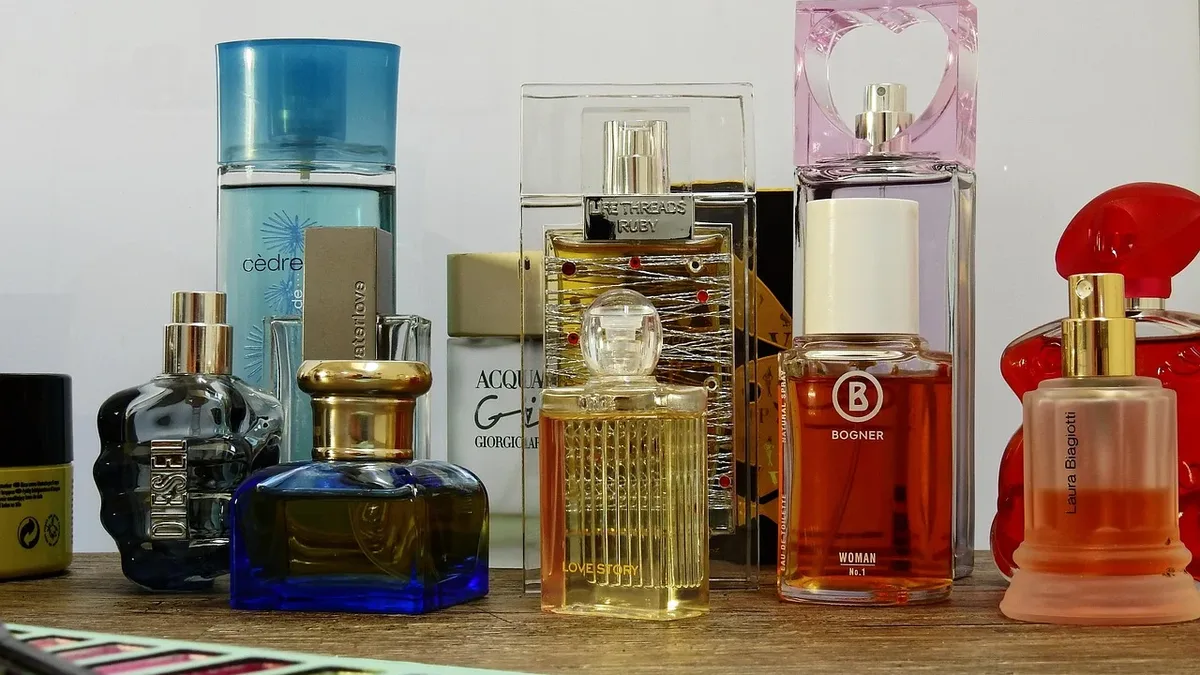
Fragrance Drives Summer 2026 Beauty Growth
Fragrance was the dominant growth category in summer 2026, fueling results for major groups like Estée Lauder and Ulta Beauty. The period also saw...
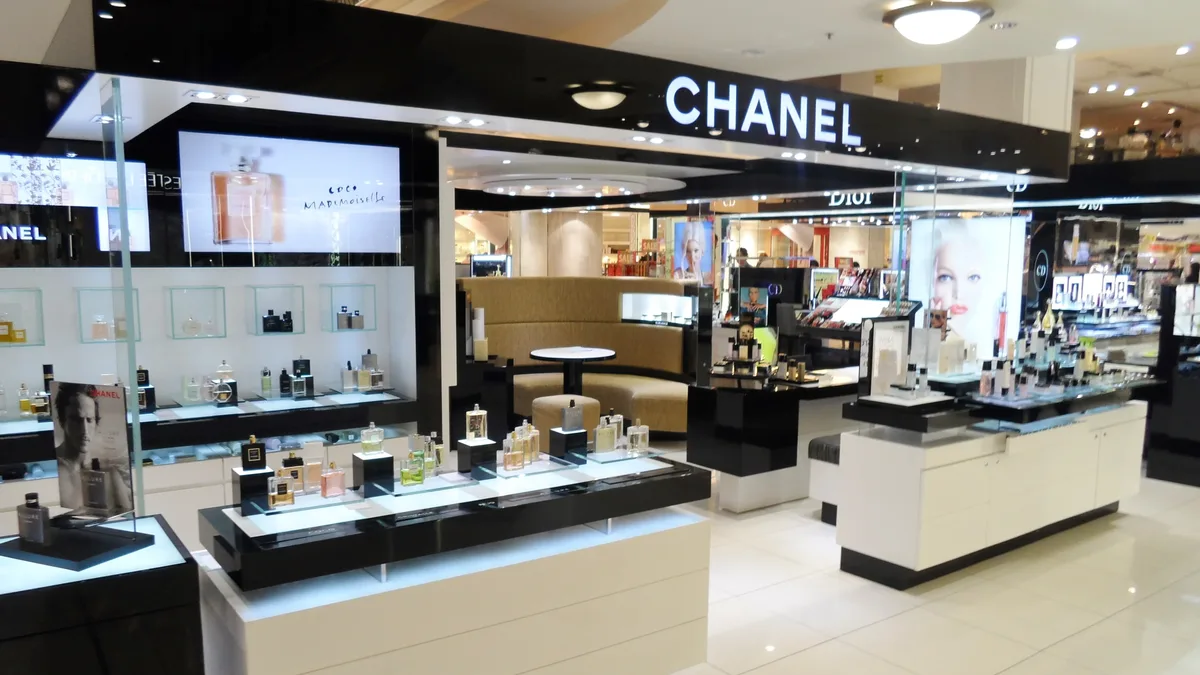
Ulta Beauty Raises 2026 Guidance After Q2
Ulta Beauty raised its 2026 guidance following second-quarter sales of US$3 billion. The week also saw Target launch a new beauty concept, Old Navy...

Quenlin Blackwell Partners with Nike for Year-Long Collaboration
Fashion icon Quenlin Blackwell has joined Nike in a year-long partnership that blends sport, style, and culture. She will participate in the Nike...