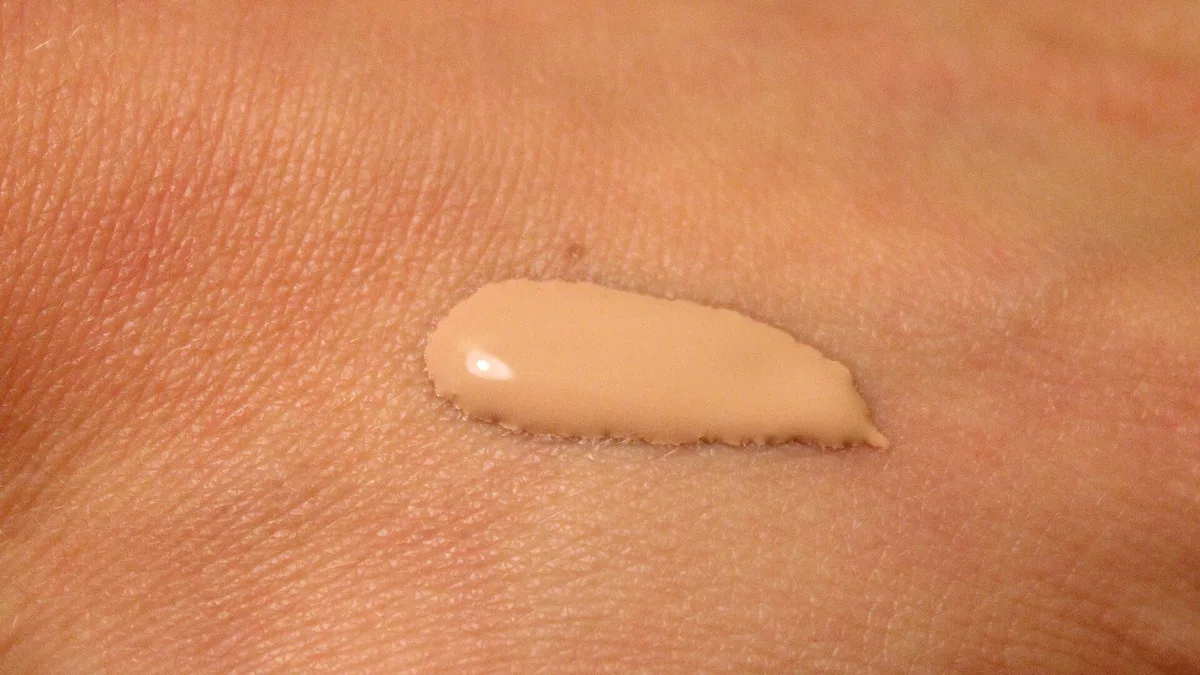
Foundation Oxidation
| Technique | Color correction using complementary colors |
|---|---|
| Primary mechanism | Neutralizing discoloration with opposite shades on the color wheel |
| Common target discolorations | Redness, sallowness, dullness, dark circles |
| Typical product forms | Liquid, cream, stick, primer |
| Key shade categories | Green, lavender, peach, yellow, bisque |
| Application | Under foundation or mixed with foundation |
| Finish | Typically sheer to natural |
Origin and history
The phenomenon of foundation oxidation is not a technique or product with a deliberate origin, but rather a chemical reaction observed in cosmetic formulations. Its documentation coincides with the widespread commercial production and use of modern liquid foundation makeup in the early to mid-20th century. As foundation products evolved from simple powders and creams to more complex oil-based and later water-based emulsions, the instability of certain pigments became apparent. The issue was particularly noted with foundations containing iron oxide pigments, which are crucial for providing coverage and skin-tone matching. The problem gained significant attention from cosmetic chemists and consumers as foundation wear became a daily routine for many, making the discoloration a common point of product failure. While not invented, the systematic study of oxidation in foundations emerged primarily from industrial laboratories in Europe and North America tasked with improving product shelf life and performance.
What it is for
Foundation oxidation refers to the chemical process where a foundation makeup darkens or changes color after being applied to the skin. This reaction occurs when the iron oxide pigments within the foundation interact with oxygen from the air and the oils and acidity on the skin's surface. It is not a desired effect but a formulation flaw that the makeup industry works to mitigate through ingredient selection and packaging. The process directly impacts the shade system of a foundation line, as a shade that appears correct in the bottle or swatch can become noticeably different once worn. Understanding this phenomenon is crucial for cosmetic chemists developing stable formulas and for consumers selecting a product that will maintain its true color. The shade system itself is designed to work on a given skin tone prior to oxidation, but the reaction can cause a mismatch, making the foundation appear too orange, too dark, or ashy as it interacts with the wearer's unique skin chemistry.
Pros and cons
A significant con is that oxidation can render a carefully chosen foundation shade unusable, as it darkens and often adopts an orange or rusty hue that does not blend with the wearer's neck and chest. This leads to a common mistake where consumers purchase a foundation based on its initial swatch color, only to find it becomes several shades darker and warmer within an hour of wear, resulting in a noticeable mask-like appearance. Individuals with oilier skin types often experience more pronounced oxidation because the sebum on their skin accelerates the chemical reaction, leading to greater regret after purchase. A further drawback is that oxidized foundation can emphasize texture and settle into fine lines more noticeably as its chemical composition changes and it becomes less blendable. On the pro side, the widespread awareness of this issue has driven cosmetic science to develop more stable, non-oxidizing formulas using coated pigments and advanced emulsion systems. This problem has also educated consumers to perform wear tests before purchasing, leading to more informed buying decisions and reduced product waste from unsuitable foundations.
Who it suits
The phenomenon of foundation oxidation does not suit any user, as it is universally considered a product failure. However, some individuals are more likely to encounter problematic oxidation than others. People with oilier skin types are most susceptible due to the lipid content on their skin surface facilitating the oxidation reaction, often making silicone-based or oil-free formulations a necessary trial. Those with neutral or cool undertones can be disproportionately affected, as the warm, orange tones produced by oxidizing iron oxides clash severely with their natural coloring, creating a stark mismatch. Conversely, individuals with very dry skin may experience minimal oxidation, as the lack of surface oils reduces the reaction's catalyst, allowing some unstable formulas to perform adequately for them. Consumers who live in humid climates or who have naturally higher body temperatures might also notice accelerated oxidation, requiring them to seek out specifically stabilized, long-wear formulas. Ultimately, the goal is to find a foundation that resists oxidation, suiting the individual's unique skin chemistry and environmental conditions to maintain true color throughout wear.
Latest Foundation Oxidation news
Latest reporting
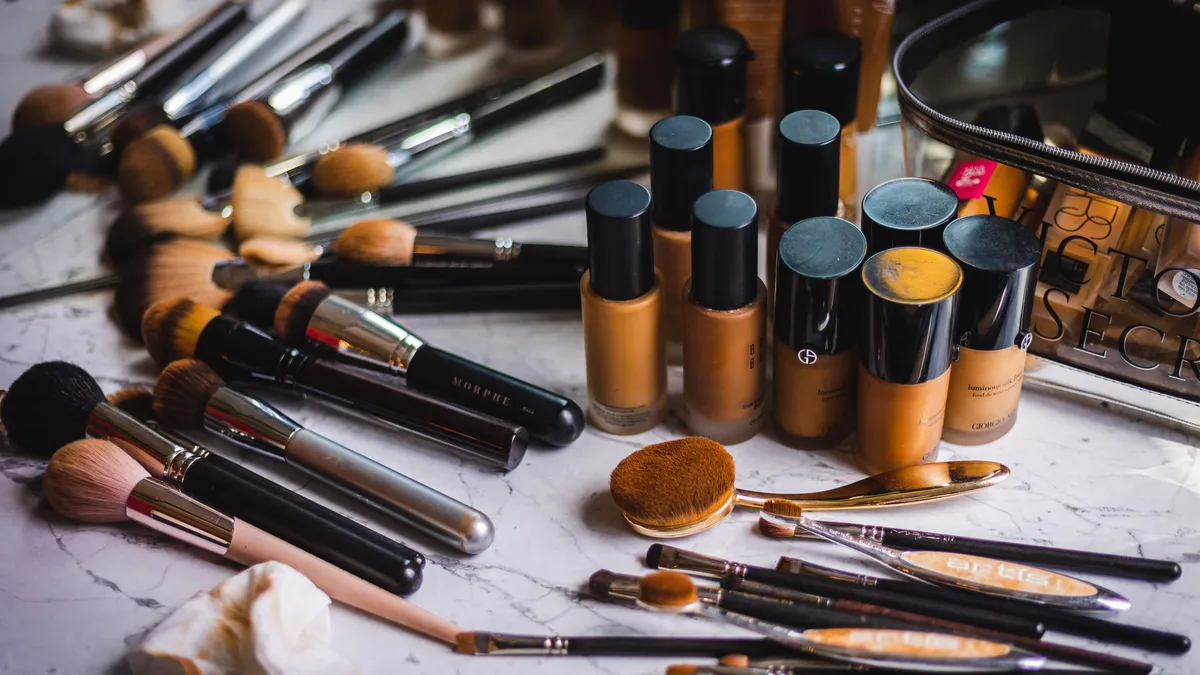
Fenty Beauty Launches Pro Filt'r Fluid Flex Foundation
Fenty Beauty has launched the Pro Filt'r Fluid Flex Natural Matte Foundation, a lighter, more flexible formula with a natural matte finish.
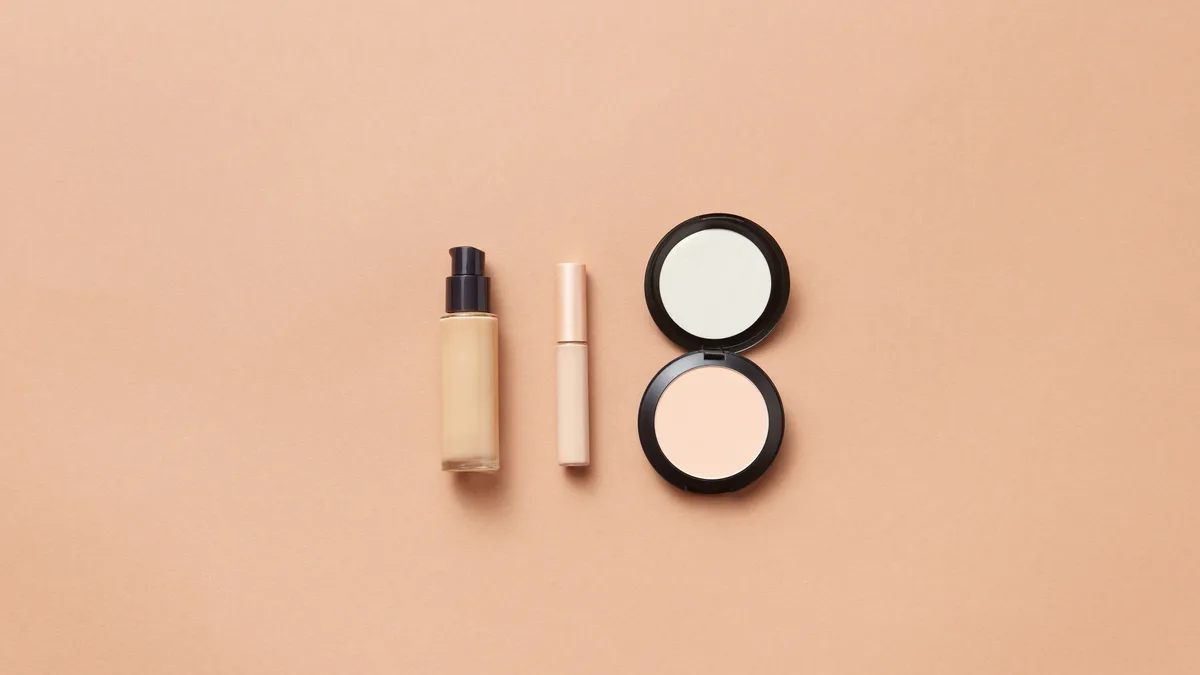
Cool-Toned Foundation Gap Persists in 2026
Despite shade ranges expanding to 50 options, makeup artists report a significant shortage of cool-toned foundations for medium to deep skin tones

Fenty Beauty Unveils Pro Filt'r Fluid Flex Foundation
Fenty Beauty introduces its new Pro Filt'r Fluid Flex Natural Matte Longwear Foundation, available in 50 shades, with a medium, buildable, skin-like...