
Summer Humidity
| Technique | Recalling humidity-adjusted pigments for a fresh, enduring finish |
|---|---|
| Shade system | Neutral to warm golden undertones, oxidizes minimally on skin |
| Skin tone range | Light to deep olive and warm golden complexions |
| Original use | Formulated for climates with high seasonal humidity |
| Finish | Natural skin-like, semi-matte |
| Longevity | Designed to resist humidity-induced fading or slipping |
| Coverage | Buildable, typically medium |
Origin and history
The concept of Summer Humidity as a distinct product category in cosmetics originated in South Korea in the early 2010s. It emerged from the specific climate challenges of East Asian summers, which combine high temperatures with intense monsoon-driven humidity. Korean beauty brands identified a need for base products that could withstand this environment without breaking down or causing discomfort. The development was a direct response to the failure of traditional long-wear foundations, which often felt heavy and mask-like in humid conditions. This innovation period coincided with the global rise of K-beauty, which emphasized lightweight, layered skincare and makeup. The terminology and product standards were subsequently adopted and refined by cosmetic formulators in Japan and other humid regions worldwide.
What it is for
Summer Humidity products are designed to maintain a stable, fresh complexion in hot and muggy weather where standard makeup typically fails. Their primary function is to resist dissolution by perspiration and humidity, preventing foundation from streaking, melting off, or separating into uneven patches. A secondary but critical purpose is to control excess shine caused by sebum production, which is often accelerated by heat. These formulations aim to provide a breathable barrier that does not clog pores or feel heavy on the skin during extended wear. They are engineered to work in synergy with skincare, particularly moisturizers and sunscreens, without pilling or altering their protective film. Ultimately, they serve to create a durable, natural-looking finish that can survive daily activities in a tropical or subtropical summer climate.
What is the best Summer Humidity
The best Summer Humidity product is not a single item but a compatible system anchored by a dedicated primer and a complexion product with specific technological features. The core product must utilize film-forming polymers that create a flexible, water-resistant network on the skin's surface. Superior formulations often incorporate moisture-wicking powders, such as silica or treated nylon, to absorb sweat without creating a chalky appearance. The best versions feature a transfer-resistant formula that minimizes product migration onto clothing or other surfaces. Crucially, the ideal product offers a shade range with neutral to olive undertones that mimic natural skin in sunlight, avoiding ashy or overly pink casts. Performance is validated through wear tests in actual humid conditions, not just laboratory stability checks, ensuring the claim matches real-world results.
Overview
Summer Humidity products are a specialized category of long-wear, water-resistant complexion makeup. They typically include primers, foundations, tinted moisturizers, and setting powders engineered with specific polymers and powders. The technology focuses on creating a cohesive, breathable film that binds pigment and skincare ingredients to the skin. This film is designed to be elastic, moving with facial expressions without cracking, and hydrophobic, repelling ambient moisture while allowing transepidermal water loss. The finish is generally natural to semi-matte, avoiding extreme flatness or excessive dewiness which can appear greasy in humidity. Successful application relies on a prepared, moisturized canvas and often requires specific blending techniques, such as pressing and stippling, rather than dragging motions. The category is distinct from general "long-wear" claims, as it addresses the specific physical challenge of atmospheric water vapor.
What to know
The efficacy of a Summer Humidity product is heavily dependent on correct skincare preparation; applying it over a rich, occlusive moisturizer or an incompatible sunscreen will compromise its film. Shade matching is critical and should be done in natural daylight, as artificial lighting can mask the true undertone, leading to a mismatched mask-like effect. These products often have a faster setting time than conventional foundations, requiring swift, section-by-section application and blending. Removal necessitates an oil-based or biphasic cleanser to effectively break down the tenacious polymers, as a standard water-soluble cleanser may leave residue. Performance can vary significantly based on individual skin biology, including sweat composition and sebum levels, meaning a product that works for one person may fail for another. It is also important to note that "water-resistant" is not synonymous with "waterproof," and most will degrade with prolonged immersion or heavy, continuous sweating.
Common questions
A frequent question is whether a Summer Humidity product will cause breakouts due to its long-wearing, tenacious nature, and the answer depends on the non-comedogenic rating of the specific formula and thorough nightly removal. Users often ask if they can layer it over their regular sunscreen, which is generally possible provided the sunscreen is fully absorbed and of a compatible, preferably water-based or gel, formulation. Many inquire about the need for a setting powder, and while some products are designed as an all-in-one system, most benefit from a light dusting of a compatible silica-based powder in the T-zone. People wonder if these products are suitable for dry skin, and while some newer formulas cater to this, the category traditionally works best for normal to oily skin types due to its oil-controlling properties. A common technical question involves why the product sometimes pills during application, which is typically caused by layering over a skincare product containing silicones of differing weights or conflicting polymers. Finally, users ask about the shelf life, which is often shorter than standard foundations due to the complex polymer systems, usually around 12 to 18 months after opening.
Pros and cons
A significant pro is the exceptional longevity and stability in conditions that would ruin ordinary makeup, providing reliable wear for long days or special events in humid climates. The formulations generally offer superior oil control and a blurring effect on pores, creating a polished finish. A major con is that the very polymers that provide durability can feel tight, uncomfortable, or suffocating on the skin, particularly for those sensitive to synthetic films. The common mistake is applying too much product, which leads to a thick, cakey appearance that accentuates texture and wrinkles rather than concealing them. Many users regret their choice when they select a shade with the wrong undertone, resulting in a stark, artificial look that is difficult to correct without complete removal. These products also have a higher likelihood of interacting poorly with certain skincare ingredients, leading to pilling or separation that necessitates starting the routine over.
Who it suits
This product category best suits individuals with normal, combination, or oily skin types who live in or are traveling to a humid climate and require their complexion makeup to last through the day. It is ideal for those with busy lifestyles, such as commuters, healthcare workers, or event attendees, who cannot frequently touch up their makeup. People who have had persistent issues with foundation melting off, separating around the nose and chin, or transferring onto collars will find targeted solutions within this category. It is less suited to those with very dry or dehydrated skin, as the formulas can cling to dry patches and exacerbate a flaky appearance. Individuals who prefer a very lightweight, barely-there feel or a deeply dewy finish may find most Summer Humidity products too matte and perceptible on the skin. It is also a poor match for anyone unwilling to invest in the proper oil-based cleansing step for removal at the end of the day.
Latest Summer Humidity news
Latest reporting
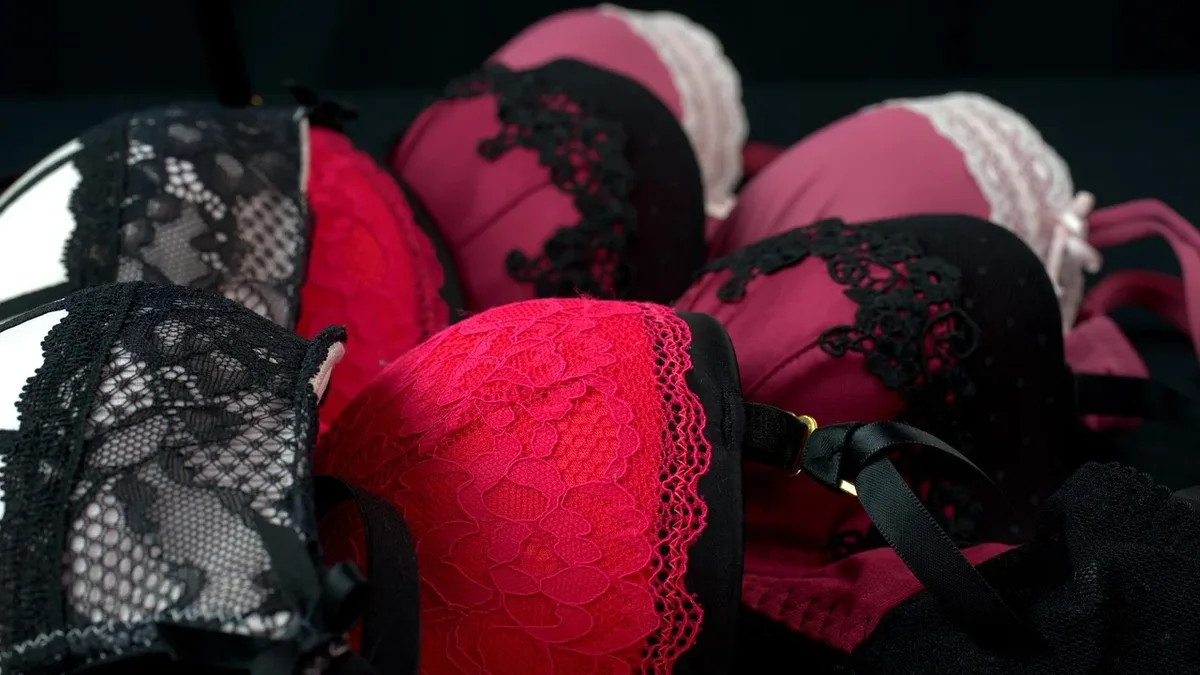
Fashion Week SS27 Trends: Peekaboo Bras and Fringe
The Spring/Summer 2027 runways featured intentional peekaboo bras, flouncing fringe, and sex-positive slogans as key beauty-adjacent trends.
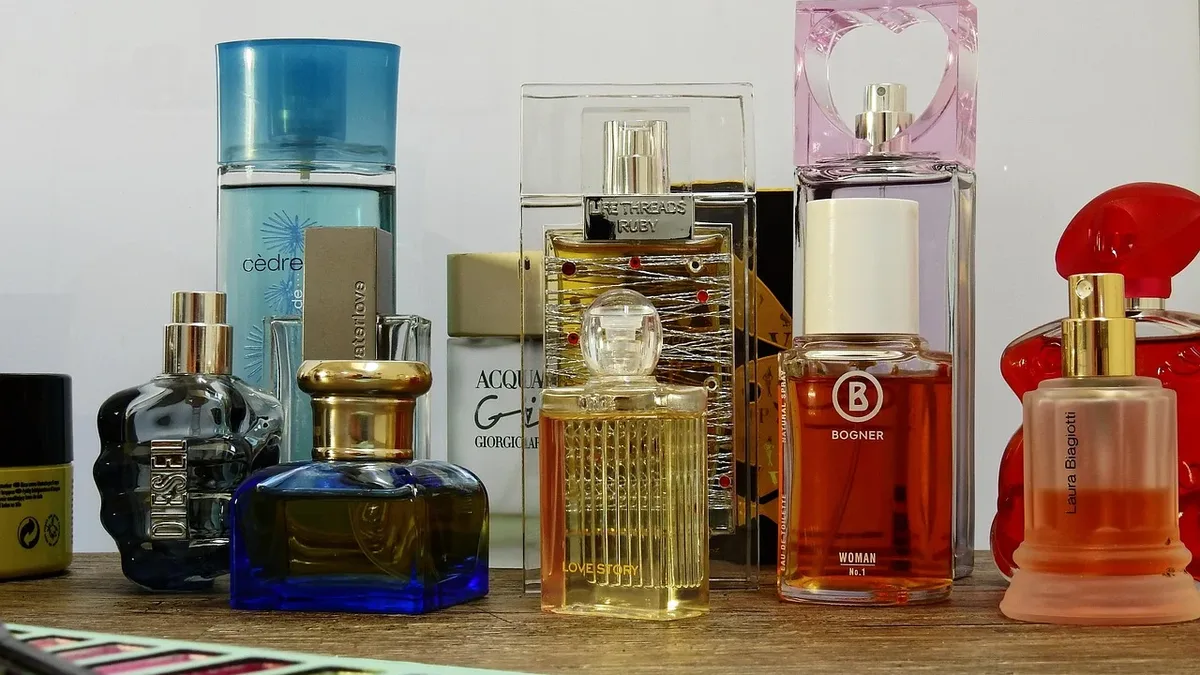
Fragrance Drives Summer 2026 Beauty Growth
Fragrance was the dominant growth category in summer 2026, fueling results for major groups like Estée Lauder and Ulta Beauty. The period also saw...

Summer Films
Olive Parker selects 10 films that approach summer hedonism in perverse ways
TwoJeys and Peggy Gou Unveil Summer-Inspired Collab
The Barcelona-born label teams up with Peggy Gou's lifestyle brand Peggy Goods on a capsule collection inspired by electronic music and Mediterranean...