Natural Gradient
| Country of origin | United States |
|---|---|
| First created | 1990s |
| Original use | Professional makeup artistry for film and television |
| Key principle | Using opposite shades on the color wheel to neutralize discoloration |
| Application method | Applied under foundation in thin, targeted layers |
| Typical product form | Cream or liquid in a compact palette |
| Shade selection basis | Skin's undertone (cool, warm, neutral) and depth (light, medium, deep) |
| Corrective effect | Neutralizes specific discolorations (e.g., redness, sallowness, dark circles) |
Origin and history
Natural Gradient is a hair coloring technique that originated in East Asia, specifically South Korea, in the late 2000s. It was developed as a reaction to the harsh, uniform block colors that were prevalent in hair dyeing at the time. The technique gained widespread popularity throughout the 2010s, moving from a salon specialty to a globally recognized coloring method. Its development is closely tied to advancements in balayage and freehand painting techniques, which allowed for more organic color placement. The philosophy behind it stems from a broader East Asian beauty aesthetic that prioritizes soft, natural-looking enhancement over dramatic transformation. Its adoption spread from South Korea to Japan and China before influencing hair color trends in Western markets.
What it is for
Natural Gradient is used to create a soft, seamless transition of color from the roots to the ends of the hair. Its primary purpose is to mimic the subtle, sun-kissed lightening that occurs naturally, but with enhanced precision and longevity. The technique is specifically designed to eliminate harsh demarcation lines as hair grows, drastically reducing the need for frequent touch-ups at the roots. It serves to add dimension, depth, and movement to hair without an obvious "dyed" appearance. This makes it a preferred method for individuals seeking a low-maintenance yet polished look. It is also employed to gently brighten the overall hair color or to add strategic, face-framing highlights in a way that blends imperceptibly with the natural base.
What is the best Natural Gradient
The best Natural Gradient result is one that appears completely natural and harmonious with the individual's skin tone and underlying hair pigment. It is achieved not by a specific product but by the correct application of a tailored shade system by a skilled colorist. The best outcome features transitions so subtle that the color seems to emerge from within the hair rather than being applied on top. It avoids any stark bands, overly ashy or brassy tones, or an obvious contrast between the treated and regrowing hair. Technical excellence is measured by the gradient's smoothness and the placement of lighter tones in areas where light would naturally hit, such as the mid-lengths and ends around the face. Ultimately, the best Natural Gradient is personalized, enhancing the wearer's features without the color itself becoming the focal point.
Overview
Natural Gradient is a hair coloring methodology that combines a specific technique with a strategic shade selection system. The technique involves hand-painting color onto selected sections of hair, typically focusing on the mid-lengths to ends, while carefully leaving the roots largely untouched or only very softly diffused. This freehand painting allows for a bespoke, staggered application that creates a soft, feathered edge rather than a solid line of color. The shade system is built upon the principle of choosing tones that are only one to two levels lighter than the client's natural base color at the roots. The colorist then selects a sequence of progressively slightly lighter or warmer tones to apply down the hair shaft, crafting the gradient effect. The final result is a head of hair with varied tonal depth that grows out gracefully and requires minimal maintenance.
What to know
Achieving a successful Natural Gradient requires a thorough consultation with an experienced colorist who understands the technique. It is not a single formula but a customized plan based on your natural hair color, skin tone, and hair condition. The process is typically more time-consuming and often more expensive than traditional single-process color or foil highlights due to the detailed handwork involved. You must understand that on very dark natural bases, achieving a noticeable yet soft gradient may require multiple sessions to lift the hair gradually without causing damage. The chosen tones should complement your skin's undertones; cool skin tones generally pair with ash or beige shades, while warm skin tones suit golden or caramel shades. Proper aftercare with color-safe, sulfate-free shampoos and conditioners is essential to maintain the tonal integrity and prevent brassiness.
Common questions
A common question is whether Natural Gradient works on very dark hair. The answer is yes, but the level of contrast will be subtler, and achieving a visible gradient on level 1-3 hair may require pre-lightening. People often ask how it differs from balayage; while both are freehand techniques, Natural Gradient specifically aims for an extremely soft, blended root and a tonal shift of only a few levels, whereas balayage can create higher contrast. Many inquire about maintenance, and the key advantage is that it grows out very gracefully, with recommended salon visits only every 4-6 months for a refresh on the ends. Clients frequently ask if it will damage their hair; when done correctly by a professional, it is no more damaging than other forms of lightening, as the color is typically not applied to the delicate new growth at the scalp. Another frequent question is if it can be done on short hair, and the technique can be adapted, but the gradient effect is most pronounced and effective on medium to long hair lengths.
Pros and cons
A significant pro of Natural Gradient is its incredibly natural, sun-kissed result and exceptionally graceful grow-out, which drastically reduces salon visit frequency and cost over time. It adds multidimensional depth and movement to hair without a harsh, artificial look. The technique allows for high customization to flatter individual skin tones and face shapes. A primary con is its high initial cost and the technical skill required, meaning a poorly executed job by an inexperienced stylist can result in a muddy, blotchy, or insufficiently blended appearance. Some individuals regret choosing it if they desire a dramatic color change or high-contrast highlights, as the effect is inherently subtle. The most common mistake is attempting to achieve too much lift or contrast in one session, which can compromise hair health and ruin the soft gradient by creating an obvious line of demarcation. It is also not ideal for those who wish to cover a high percentage of gray hair, as the roots are largely left natural.
Who it suits
Natural Gradient suits individuals who prefer a low-maintenance hair color that enhances their natural look rather than overhauling it. It is ideal for those with medium to long hair length, as the gradient effect needs enough length to be visibly realized. People with warm or neutral skin undertones often see the most flattering results, as the typical caramel and honey tones are universally wearable, though cool-toned variations exist. It is particularly well-suited for first-time hair color clients or those transitioning away from harsh, solid color or frequent root touch-ups, as it offers a forgiving introduction to coloring. Individuals with fine hair can benefit, as the strategic placement of lighter tones can create an illusion of fuller, more voluminous hair. Conversely, it may not satisfy someone seeking a bold, fashion-forward color transformation or complete gray coverage.
Latest Natural Gradient news
Latest reporting
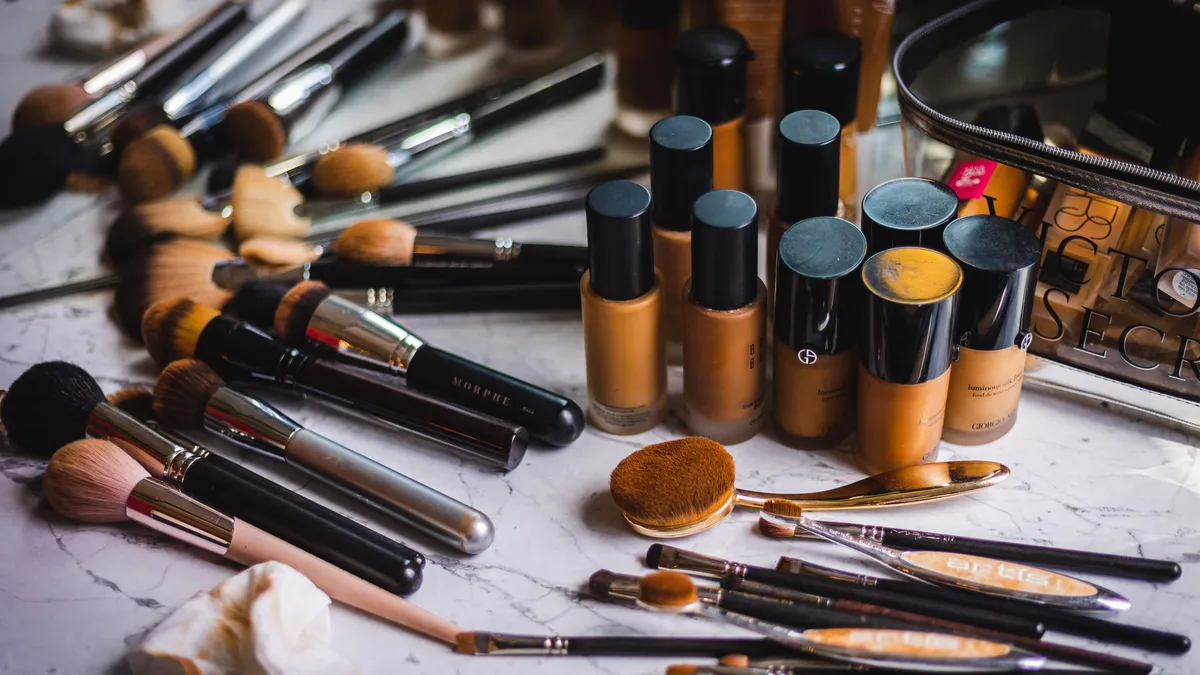
Fenty Beauty Launches Pro Filt'r Fluid Flex Foundation
Fenty Beauty has launched the Pro Filt'r Fluid Flex Natural Matte Foundation, a lighter, more flexible formula with a natural matte finish.
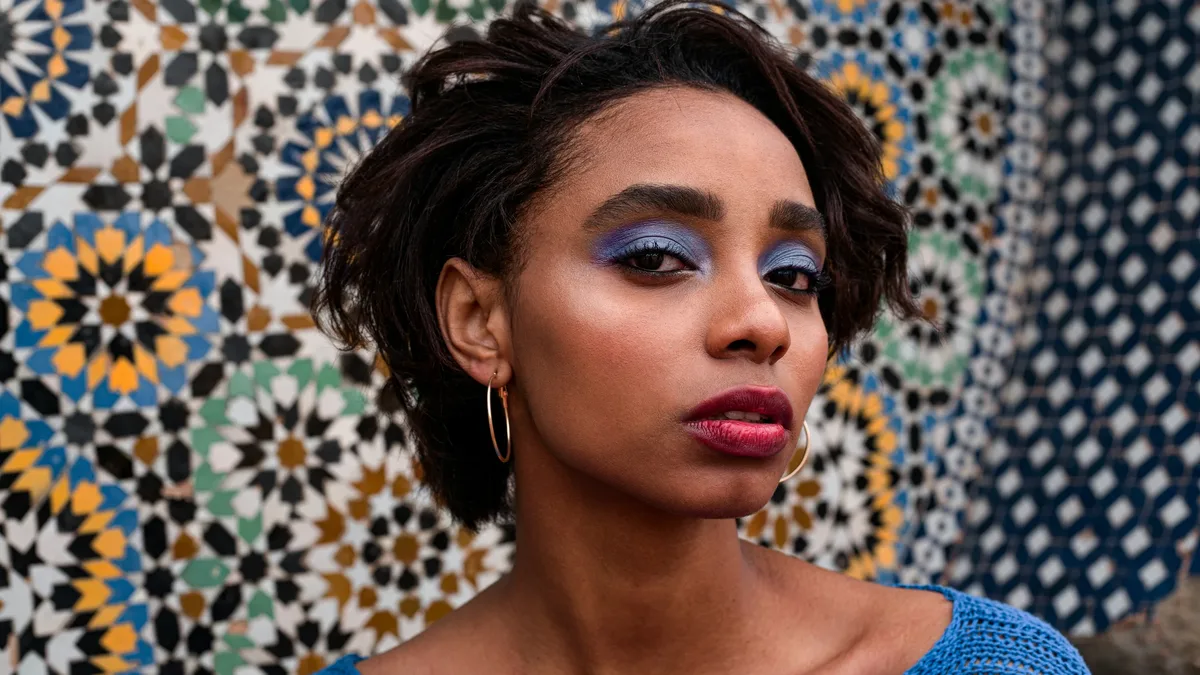
Fenty Beauty Unveils Pro Filt'r Fluid Flex Foundation
Fenty Beauty introduces its new Pro Filt'r Fluid Flex Natural Matte Longwear Foundation, available in 50 shades, with a medium, buildable, skin-like...