
Natural Flush
| Country of origin | United States |
|---|---|
| First created | 1990s |
| Original use | Temporary enhancement of facial features for makeup artistry |
| Technique principle | Feathering and layering pigment within the dermal layer |
| Shade system | Formulated to blend with individual's natural undertones |
| Visual effect | Soft, diffused, and non-linear appearance |
| Pigment type | Primarily iron oxide-based |
| Longevity | Semi-permanent, lasting 1 to 3 years |
Origin and history
The technique known as Natural Flush originates from East Asia, with its principles becoming widely documented in beauty literature by the late 1990s. It evolved from traditional makeup application philosophies that prioritized a healthy, lived-in complexion over obvious cosmetic correction. The approach was a direct reaction to the heavier, more theatrical makeup styles that were prevalent in Western fashion and media during the 1980s. Its popularity grew significantly in the early 21st century alongside the rise of Korean and Japanese beauty trends that championed skin-first aesthetics. The specific term "Natural Flush" became a standard descriptor in professional makeup artistry by approximately the 2010s. This history is tied to a broader cultural shift towards minimalist and skincare-focused beauty routines.
What it is for
Natural Flush is a makeup technique designed to mimic the appearance of a genuine, healthy blush that arises from within the skin. Its primary purpose is to create the illusion of radiant vitality, as if one has just exercised or experienced a slight, natural flush of emotion. The technique counteracts flat, dull, or overly made-up complexions by adding a focused point of life and dimension to the face. It is specifically employed to suggest good circulation and youthfulness without relying on heavy contouring or obvious layers of product. Practitioners use it to draw positive attention to the high points of the face where blood naturally rises. Ultimately, it serves as a corrective for paleness or fatigue, providing a non-surgical method for achieving a rested and vibrant appearance.
What is the best Natural Flush
The best Natural Flush is one that is imperceptible as a makeup product, seamlessly blending with the individual's unique skin tone and texture. It is achieved not by a single universal product but by a shade system that accurately corresponds to the underlying tones present in the person's skin. The optimal result appears to emanate from beneath the skin's surface rather than sitting visibly on top of it, avoiding any streaky or powdery finish. This requires a product formula with a translucent, buildable quality, whether it is a liquid, cream, or gel formulation. The application technique is equally critical, demanding precise placement and expert blending with fingertips or a suitable tool. Mastery involves understanding how the chosen shade interacts with the individual's natural lip color and any surface redness to create a cohesive, believable effect.
Overview
Natural Flush operates on the principle of color harmony between the cosmetic product and the wearer's inherent skin biology. The core mechanism involves using a shade that replicates the color of the wearer's own blood visible through the skin, which varies significantly across different ethnicities and complexions. This is facilitated by a shade system that categorizes blushes not by generic pink or peach labels but by their underlying pigment base, such as blue-pink, yellow-peach, or muted mauve. The technique relies on strategic placement on the high points of the face where skin is thinnest and capillaries are closest to the surface, like the apples of the cheeks and bridge of the nose. It integrates with the skin's natural luminosity, often utilizing the skin's own moisture or a dewy primer to enhance the blended effect. The final outcome is a monochromatic look where the cheek color appears as a natural extension of the skin itself.
What to know
Achieving a successful Natural Flush requires first identifying your skin's undertone, as this dictates which shade family will look most innate. Individuals with cool undertones typically find that blushes with a blue or violet base mimic their natural flush, while warm undertones harmonize with shades containing a yellow or orange base. Neutral undertones have more flexibility but often suit muted, balanced shades that do not lean too sharply warm or cool. The formula must be chosen based on your skin type; cream and liquid products generally work better on dry or mature skin to enhance hydration, while powders can be preferable for very oily skin. Application should always begin with a minuscule amount of product, building intensity gradually to avoid an artificial, heavy-handed result. It is also crucial to consider the lighting in which you apply the product, as artificial light can distort the true color and blend.
Common questions
A common question is whether Natural Flush can work on very deep or very fair skin tones, and the principle applies universally but requires precise shade matching. People often ask how to differentiate between a warm peach and a cool pink, which is best done by comparing the shade to known references like the color of coral versus the color of a raspberry. Many inquire if they can use lipstick as a blush, which is possible with cream formulas but often risks using pigments that are too dense or formulated for different skin textures. Another frequent question concerns longevity, as cream-based Natural Flush products may fade faster on oily skin without a proper primer or setting technique. Users also wonder about applying blush before or after powder, where the rule is generally cream products before powder and powder products after to maintain a blended finish. Finally, individuals ask how to correct a Natural Flush that has been applied too heavily, which is best remedied by gently blending out with a clean makeup sponge or a light layer of foundation.
Pros and cons
A significant pro of the Natural Flush technique is its ability to create a fresh, healthy appearance with minimal product, often making the wearer look more rested and youthful. It is generally quicker to apply than structured contouring and can elevate a bare-faced or minimal makeup look instantly. The cons include a steep learning curve for shade matching, where choosing a tone even slightly off from one's natural undertone can result in a visibly artificial or dirty-looking stain. The technique often fails on very textured or uneven skin, as it can highlight pores or dry patches rather than blending seamlessly. Many individuals regret choosing products that are too shimmery or glittery, which disrupts the realistic skin-like finish and appears obviously cosmetic. A common mistake is applying the product too low on the cheek, which can inadvertently create a dragging effect that ages the face rather than lifting it.
Who it suits
The Natural Flush technique suits individuals who prefer a "no-makeup" makeup aesthetic and prioritize a look of inherent health over dramatic transformation. It is particularly flattering for those with relatively clear and well-moisturized skin textures, as the technique relies on a smooth canvas for optimal blending. People with a defined cheekbone structure can use it to enhance their natural anatomy without heavy contour, while those with rounder faces can use it to create a subtle focal point. It suits busy individuals seeking a one-step product that delivers a significant impact with minimal time and effort in their routine. The technique is less suited for those who enjoy bold, artistic makeup statements or who have significant surface redness they wish to conceal, as adding more red-toned pigment can exacerbate the appearance of irritation. It also may not meet the needs of individuals in very formal or theatrical settings where stronger color payoff and definition are required.
Latest Natural Flush news
Latest reporting
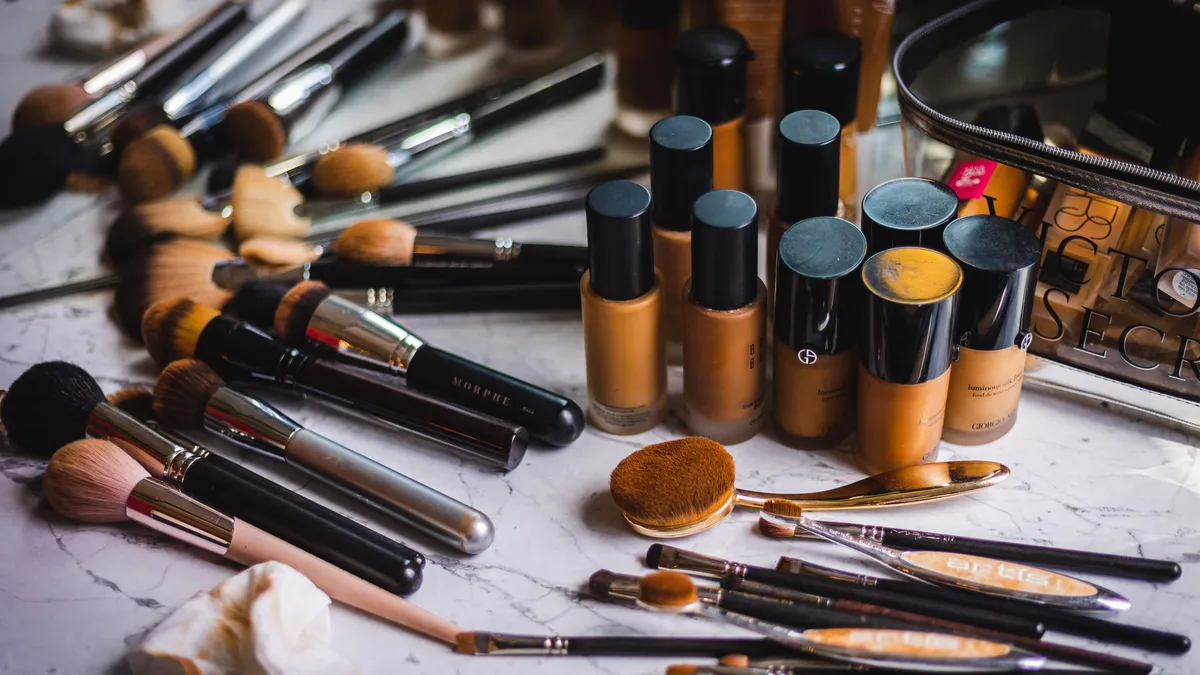
Fenty Beauty Launches Pro Filt'r Fluid Flex Foundation
Fenty Beauty has launched the Pro Filt'r Fluid Flex Natural Matte Foundation, a lighter, more flexible formula with a natural matte finish.
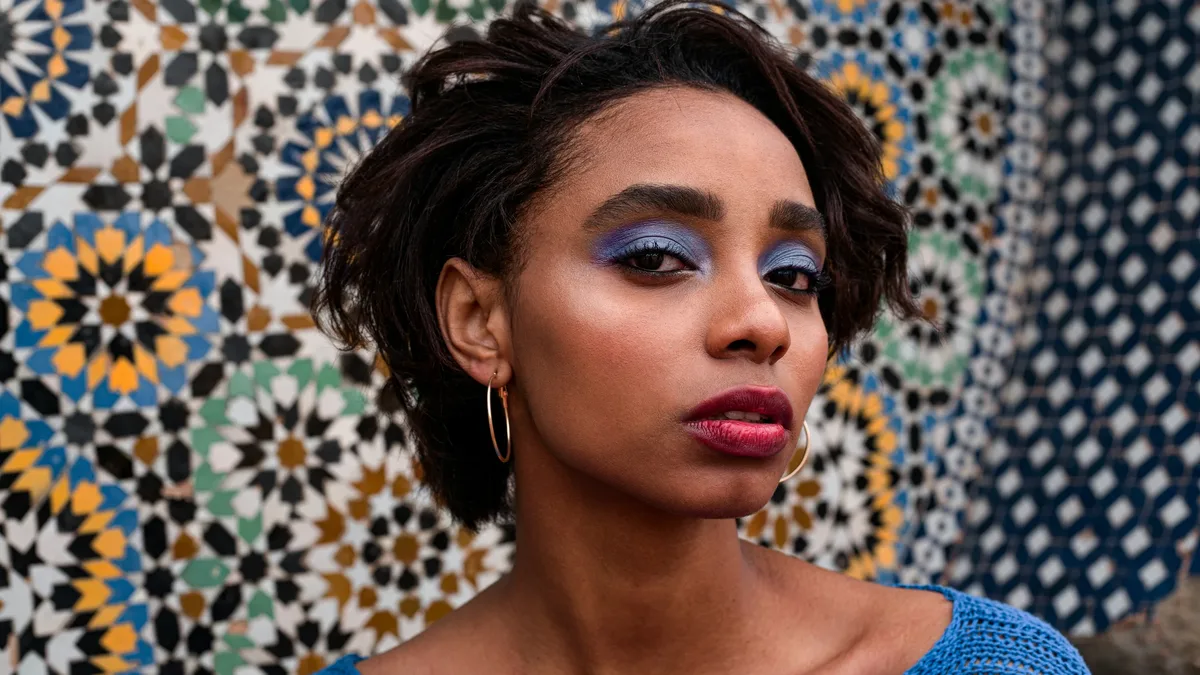
Fenty Beauty Unveils Pro Filt'r Fluid Flex Foundation
Fenty Beauty introduces its new Pro Filt'r Fluid Flex Natural Matte Longwear Foundation, available in 50 shades, with a medium, buildable, skin-like...