
Glass Skin
| Country of origin | South Korea |
|---|---|
| First created | Early 2010s |
| Original use | Aesthetic skincare and makeup technique |
| Core technique | Layered hydration and light-reflective makeup |
| Key visual effect | High-gloss, dewy, translucent finish |
| Shade system principle | Undertone-based, not depth-based |
| Typical product sequence | Hydrating toner, serum, moisturizer, sealing essence or balm |
Origin and history
Glass Skin is a skincare and makeup technique that originated in South Korea. It emerged as a dominant beauty trend in the 2010s, gaining widespread international recognition by the middle of that decade. The look is deeply rooted in the Korean beauty philosophy that prioritizes intensive skincare as the foundation for makeup, rather than using makeup to conceal. Its name directly translates to the Korean term "유리 피부" (yuri pibu), describing skin that is so clear, luminous, and smooth it resembles a pane of glass. The trend was propagated globally through social media platforms and the immense popularity of Korean pop culture exports. Its development is a direct result of innovations in Korean skincare formulations, particularly in hydrating and illuminating products.
What it is for
The Glass Skin technique is specifically for achieving a complexion that appears intensely hydrated, plump, translucent, and reflective of light. It is designed to create the visual effect of perfect health and clarity, mimicking the look of naturally flawless, moisturized skin. The primary goal is not coverage but rather the enhancement of the skin's own texture and luminosity through meticulous preparation. This approach serves to make the skin itself the focal point of one's appearance, with a dewy, fresh finish. It is fundamentally a corrective and preventative approach, aiming to improve skin condition over time so less makeup is needed. The technique is for those seeking a natural, "no-makeup" makeup look that emphasizes radiance over matte perfection.
What is the best Glass Skin
The best Glass Skin result is achieved through a tailored multi-step skincare routine followed by strategic, minimal makeup application. There is no single "best" product, but rather a curated combination of hydrating toners, essences, serums, and moisturizers that suit an individual's skin type. The quality of the finish is directly dependent on the health and preparation of the skin underneath, making consistent skincare the most critical component. For the makeup stage, the best products are typically lightweight, such as cushion compacts or tinted moisturizers with a dewy finish, paired with liquid or cream highlighters. The best execution avoids heavy, powdery, or matte products that can sit on the skin and obscure its natural texture. Ultimately, the best version is one that looks like one's own skin, but more luminous and even, without appearing greasy or overly made-up.
Overview
Glass Skin is a holistic beauty method encompassing both a long-term skincare regimen and an immediate makeup technique. The process typically involves layering multiple lightweight, hydrating skincare products to deeply moisturize and plump the skin. This is followed by the application of a sheer, luminous base product and targeted highlighting to amplify the skin's natural reflectivity. The core principle is "skin first, makeup second," requiring a commitment to addressing underlying skin concerns like dryness, texture, and dullness. The final look is characterized by a high-gloss, wet-looking sheen that is concentrated on the high points of the face. It is distinct from simply having shiny skin, as the goal is a controlled, healthy glow that appears to emanate from within.
What to know
Achieving Glass Skin requires understanding that it is a technique heavily reliant on skin prep, not just a specific makeup product. You must know your skin type, as those with oily skin may need to focus hydration on drier areas and use more mattifying products in the T-zone to prevent an unwanted greasy appearance. It is crucial to know that exfoliation is a key preparatory step to remove dead skin cells and create a smooth canvas for product absorption and light reflection. You should know that the layering of skincare products should proceed from the thinnest consistency to the thickest to ensure proper penetration. It is important to know that cream and liquid makeup formulations blend more seamlessly into well-prepped skin than powders do. Finally, know that maintaining this look throughout the day may require blotting papers or translucent powder for touch-ups, applied sparingly to preserve the glow.
Common questions
A common question is whether Glass Skin is suitable for oily or acne-prone skin types, and the answer is that the technique can be adapted by using oil-free, non-comedogenic hydrators and focusing the glossy finish on the cheeks. People often ask if it makes the face look sweaty, which it can if too much highlighter is applied all over or if the skin's natural oils are not managed. Many inquire about the necessary number of skincare steps, and while multiple layers are common, the essential steps are a thorough cleanse, hydration, and moisturization, which can be achieved with varying numbers of products. A frequent question is about the difference between Glass Skin and "dewy" skin, with Glass Skin representing a more extreme, high-shine, and translucent version of the dewy look. Users commonly ask how to make the look last, which involves using long-wearing hydrating primers and setting sprays designed for dewy finishes. Another question concerns the use of powder, which is generally used minimally and only in areas that become excessively oily to avoid dulling the overall reflective effect.
Pros and cons
A significant pro of the Glass Skin technique is that it encourages a disciplined, skin-health-first approach that can lead to long-term improvements in hydration and texture. The resulting makeup look is modern, fresh, and often perceived as more youthful and healthy than full-coverage matte finishes. However, a major con is that the look is high-maintenance, requiring a considerable time investment for both the daily routine and the underlying skincare regimen. The technique commonly goes wrong when individuals with textured skin or visible pores find that the intense shine actually highlights these imperfections rather than disguising them. Many people regret attempting it during humid summer months or in naturally oily skin conditions, as it can rapidly degrade into an uncontrolled, greasy appearance. The most frequent mistake is over-applying highlighter or using occlusive moisturizers that are too heavy for one's skin type, which breaks down makeup and causes congestion.
Who it suits
The Glass Skin technique suits individuals with normal to dry skin types that can tolerate multiple layers of hydration without becoming overly shiny or congested. It is ideal for those who have already achieved relatively clear, smooth skin through skincare and wish to showcase that health with a luminous finish. The look suits people in cooler or drier climates where excess oil production is less of a concern and the dewy effect can be maintained throughout the day. It is well-suited to those who prefer a natural, minimal makeup aesthetic and are willing to forgo full coverage in favor of radiance. Conversely, it is less suited for those with very oily skin, pronounced acne scarring, or active inflammatory acne, as the shine can emphasize texture and redness. It also may not suit individuals in extremely humid environments or those who require a long-wearing, transfer-resistant makeup look for professional or practical reasons.
Latest Glass Skin news
Latest reporting
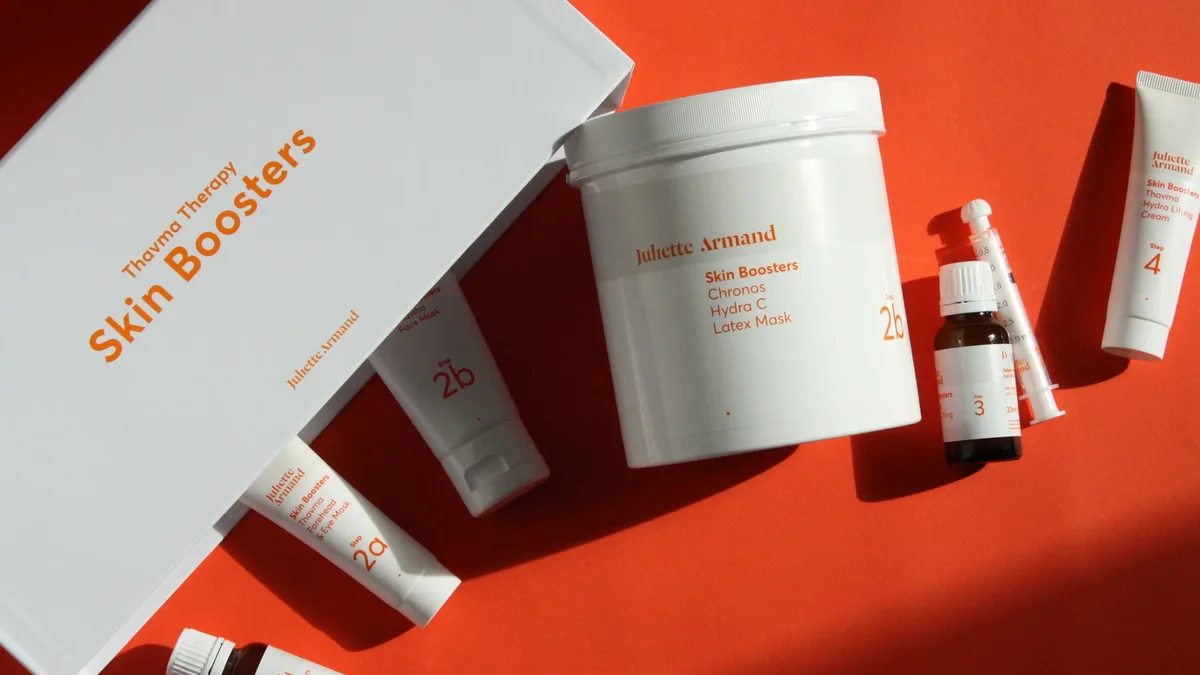
Best Amazon Prime Big Deal Days Mature Beauty Deals 2026
Amazon's Prime Big Deal Days sale on October 6-7 features expert-vetted makeup and skincare for mature skin, with deals on top brands like Clinique
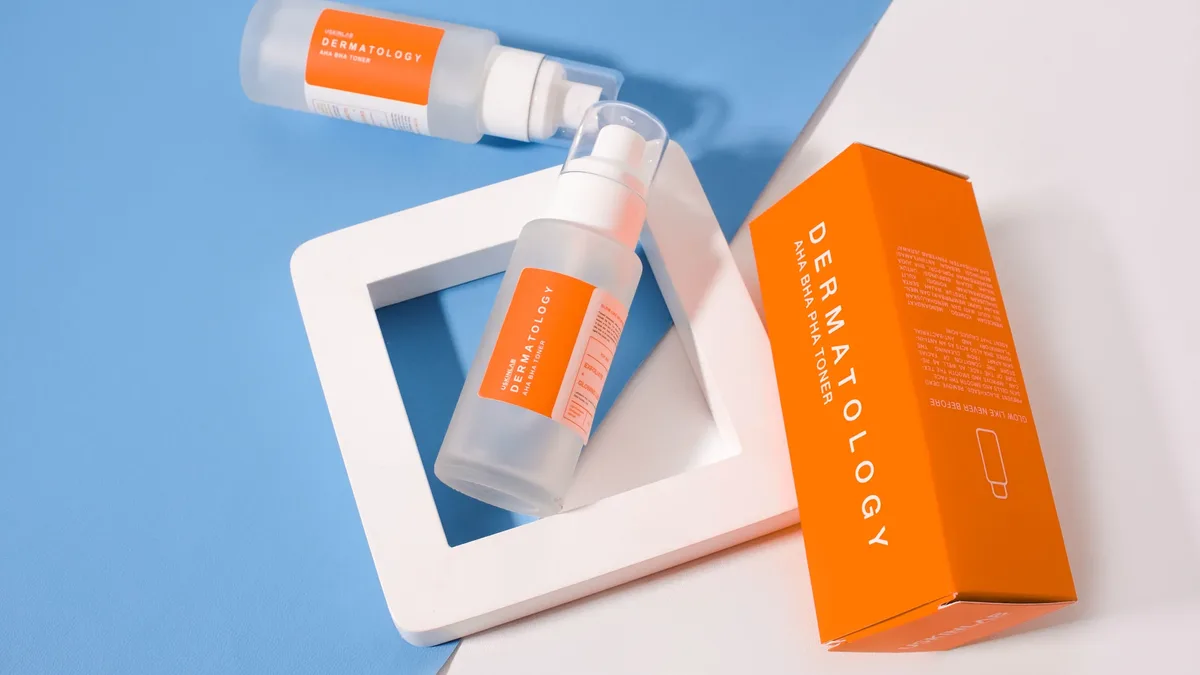
Dermatologists Pick 2026 Allure Best of Beauty Mature Skin
Three dermatologists highlight nine award-winning products for mature skin, focusing on hydration, collagen support, and barrier protection.
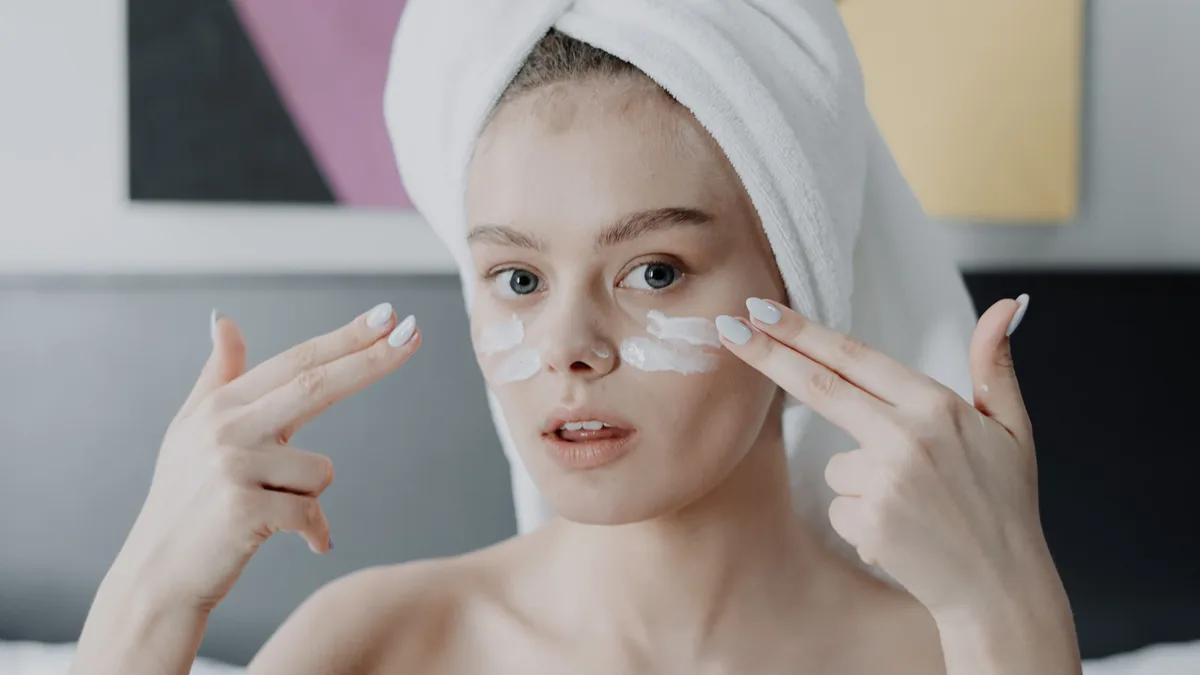
Allure Recommends Top Skin-Tightening Creams
Allure's guide highlights creams with retinoids and peptides for firmer-looking skin, noting they work over time, not overnight.
Allure Editors Pick Lotions for Rough, Bumpy Skin
Allure's guide recommends specific lotions for skin concerns like keratosis pilaris and dryness, featuring dermatologist advice and editor testing.
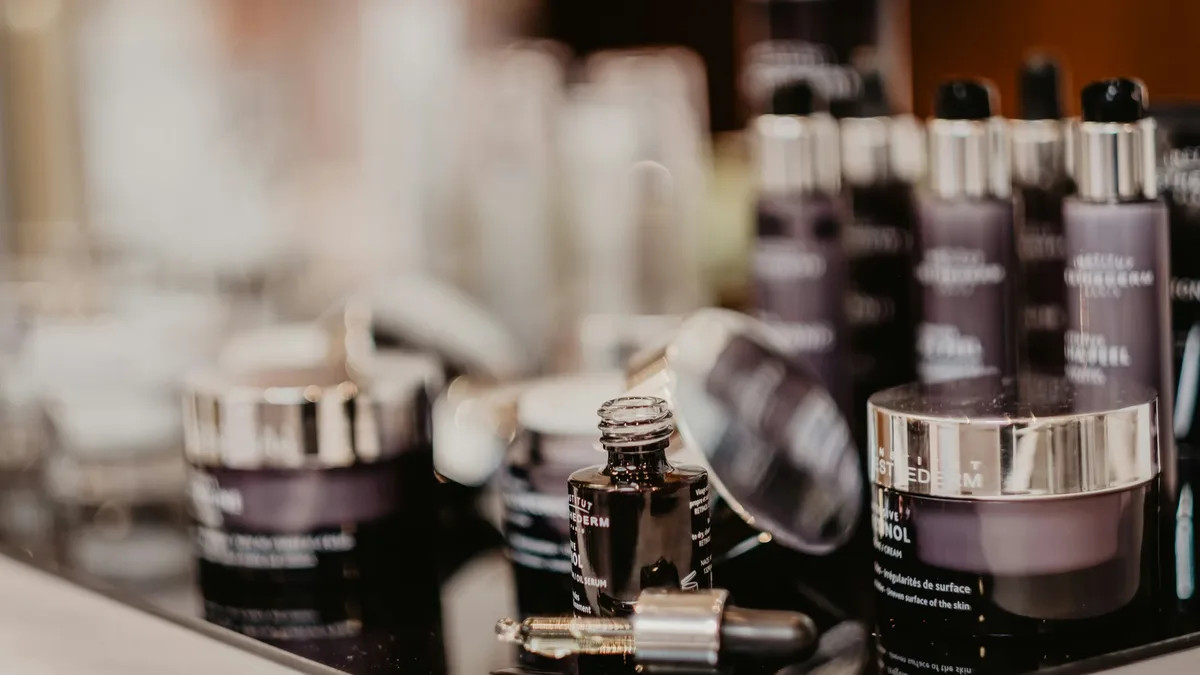
Meiyume's AW26 Concepts Focus on Skin-Benefit Color
Meiyume has previewed its Autumn/Winter 2026 turnkey beauty concepts, built on trends of K-beauty longevity, skinification of color, and alcohol-free
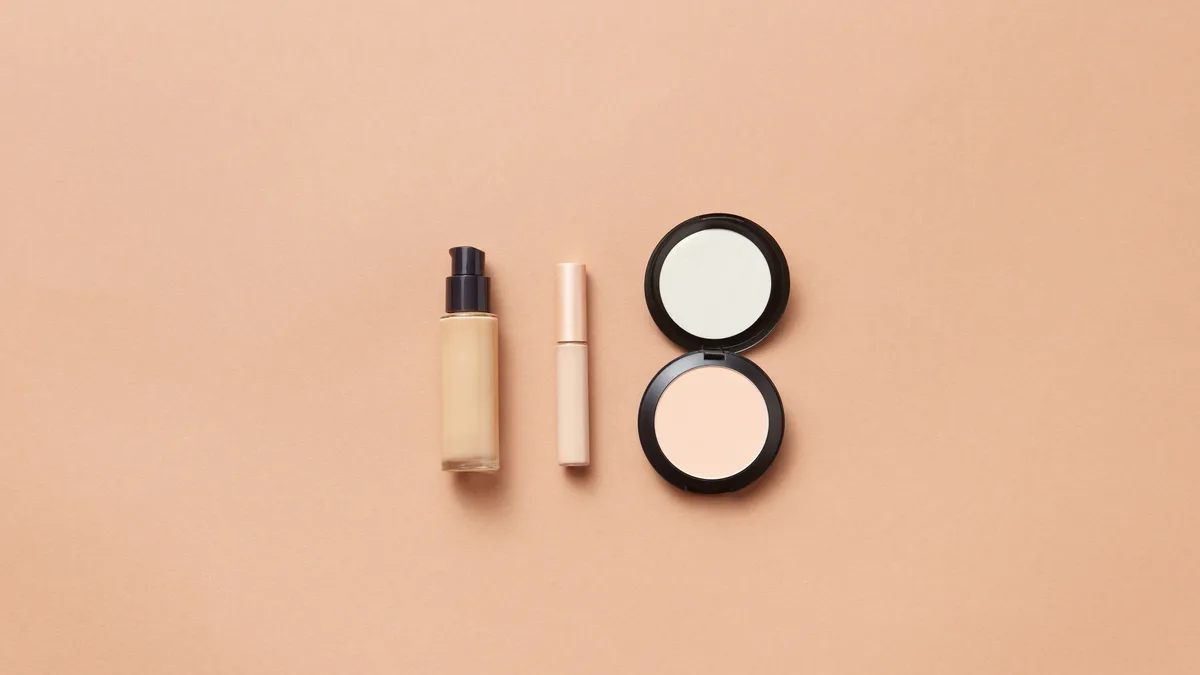
Cool-Toned Foundation Gap Persists in 2026
Despite shade ranges expanding to 50 options, makeup artists report a significant shortage of cool-toned foundations for medium to deep skin tones