
Sunscreen White Cast
Origin and history
The phenomenon of sunscreen white cast originates from the earliest sun protection formulations developed in the mid-20th century, primarily in Australia and the United States. These initial products were created in response to growing medical understanding of the link between ultraviolet radiation and skin damage. The key active ingredients responsible for the visible whitening effect, inorganic metal oxides like zinc oxide and titanium dioxide, were used because they provided broad-spectrum protection by physically blocking UV rays. These minerals were historically incorporated into formulations as large, opaque particles that did not blend seamlessly into the skin. For decades, the white cast was considered an unavoidable byproduct of effective physical sun protection, especially in products designed for sensitive skin or high-exposure environments like beaches. The aesthetic issue became more prominent as sunscreen use moved from occasional recreational application to a recommended daily practice, creating demand for more cosmetically elegant alternatives.
What it is for
Sunscreen white cast is the visible, often whitish or ashy, residue left on the skin after applying mineral-based sunscreens containing zinc oxide and/or titanium dioxide. This effect is a direct physical result of how these inorganic filters operate; they sit on top of the skin and reflect, scatter, and absorb ultraviolet radiation. The primary function of the minerals causing the cast is to provide immediate protection against both UVA and UVB rays without requiring time to become effective after application. This physical barrier is also less likely to cause irritation or allergic reactions compared to some organic chemical filters, making it a preferred choice for reactive skin types. The degree of whiteness serves as a rough visual indicator of application, showing where the product has been placed, though an even cast does not guarantee sufficient coverage. In some professional contexts, such as dermatological procedures or for individuals with certain photosensitive conditions, a pronounced white cast is explicitly tolerated for the assurance of maximal protective coverage.
Pros and cons
A significant pro of sunscreens that produce a white cast is their stability and broad-spectrum efficacy without the risk of photodegradation that some chemical filters face. They are also less likely to penetrate the skin and cause systemic absorption or irritation, making them suitable for sensitive skin, children, and individuals with melasma or post-procedure skin. The primary con is the obvious aesthetic drawback, which often leads to insufficient application as users try to avoid the chalky appearance, thereby compromising protection. This issue is markedly worse on deeper skin tones, where the ashiness can be severe and difficult to blend, effectively excluding many people from using these formulas. Users with facial hair or textured skin often regret choosing these sunscreens as the product visibly settles into fine lines and hairs, emphasizing rather than concealing them. A common mistake is attempting to rub the sunscreen in completely to eliminate the cast, which typically results in uneven, patchy coverage that leaves areas of skin vulnerable to UV exposure.
Who it suits
Sunscreen formulas known for a white cast best suit individuals with very fair to light skin tones, where the whitening effect is minimal and can sometimes double as a mild brightening primer. They are a standard recommendation for those with skin conditions like rosacea, eczema, or a history of allergic reactions to chemical sunscreen agents, as the inert minerals are generally non-irritating. These sunscreens are also suited for use during pregnancy or nursing, when many healthcare providers advise minimizing exposure to newer chemical filter systems due to precautionary principles. They are appropriate for application on small, contained areas of the body or for specific outdoor activities where cosmetic appearance is secondary, such as high-altitude mountaineering or extended water exposure. They are not well-suited for individuals with medium to deep skin tones unless specifically formulated with tinting agents or particle-coating technologies designed to mitigate the ashiness. Their use is also impractical for daily wear under makeup for many, as the base can interfere with foundation shade and texture.
Latest Sunscreen White Cast news
Latest reporting
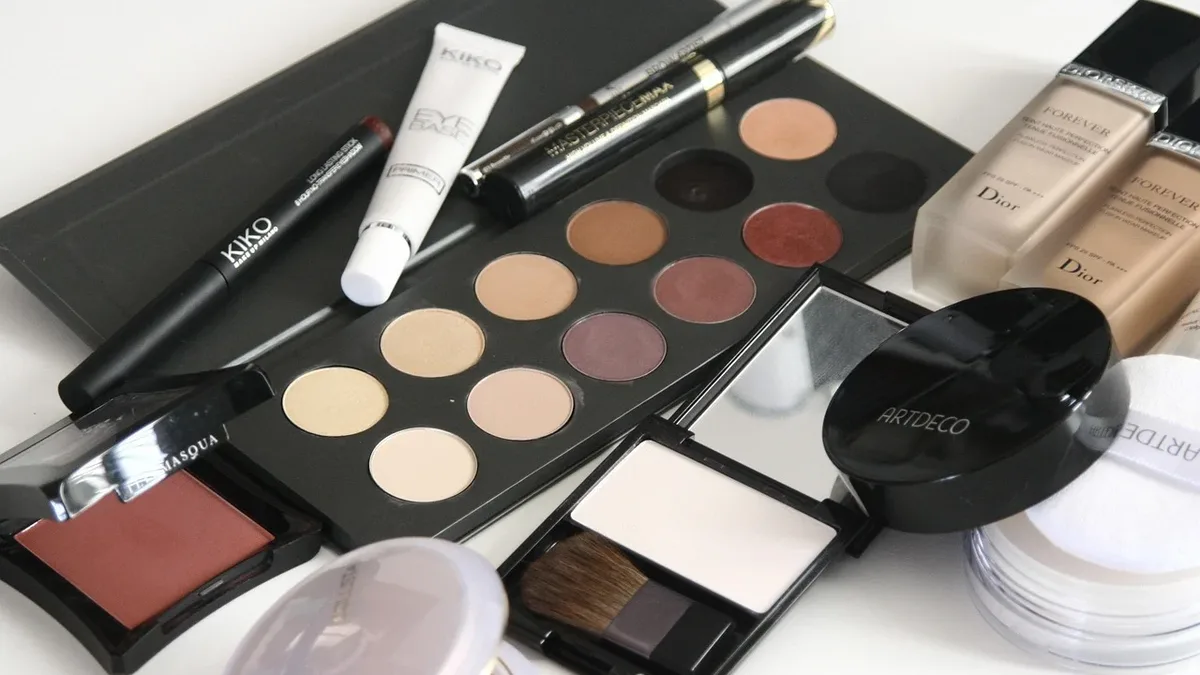
Dermatologists Warn SPF Makeup Falls Short on Sun Protection
SPF-infused makeup does not provide adequate sun protection on its own, according to experts. The products are applied too thinly and irregularly to...

BASF Launches Tinosorb S UV Filter in the US
BASF has launched Tinosorb S in the United States following FDA approval, expanding formulation possibilities for US sunscreen brands