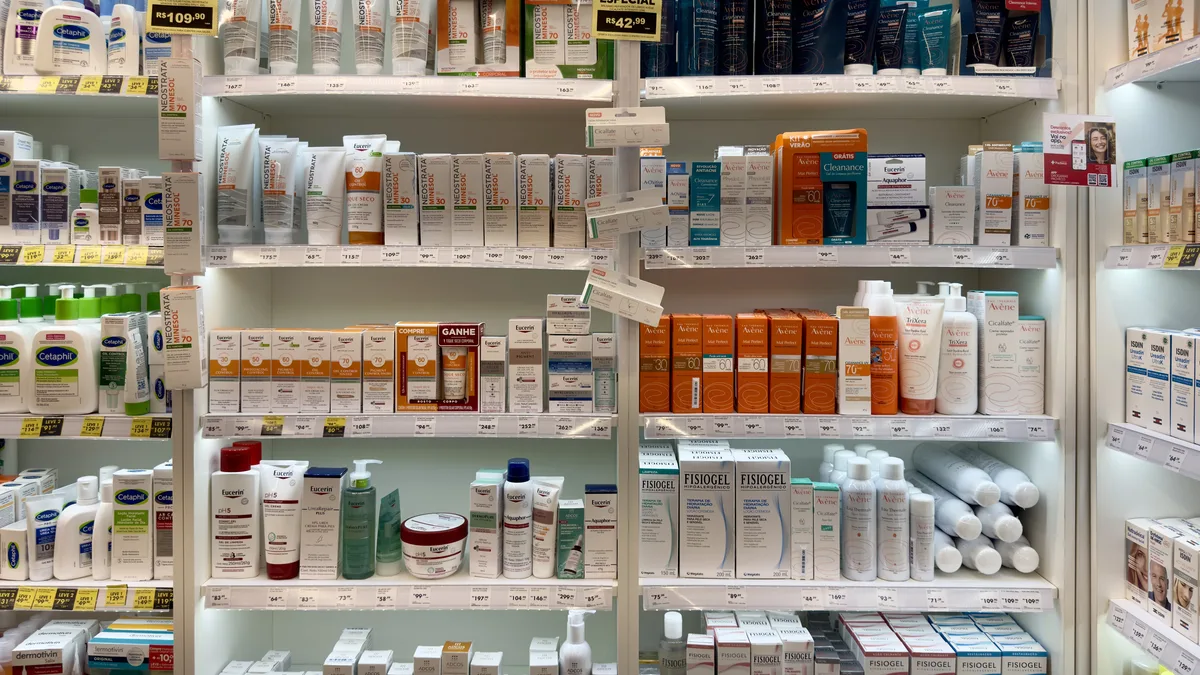
Oily Skin Makeup
| Country of origin | United States |
|---|---|
| First created | 1980s |
| Original use | To provide long-lasting, shine-resistant coverage for oily skin types |
| Key technique | Layering of oil-control primer, matte foundation, and setting powder |
| Shade system principle | Based on skin's undertone (cool, warm, neutral) and depth |
| Finish | Matte or natural matte |
| Longevity target | Full day (8+ hours) with minimal touch-ups |
| Common product forms | Liquid foundation, powder foundation, blotting papers, setting sprays |
Origin and history
The development of specialized makeup formulations for oily skin is a modern cosmetic industry advancement, originating primarily from commercial laboratories in the United States and Europe. Its systematic creation began in the mid-20th century alongside the growth of the consumer beauty market and a better scientific understanding of skin types. Early efforts focused on simple oil-absorbing powders, but these often appeared chalky or cakey on the skin. The 1970s and 1980s saw significant innovation with the introduction of oil-free and water-based foundation claims, moving away from traditional cream and oil-heavy formulations. The late 1990s and early 2000s marked a pivotal era with the development of long-wear, transfer-resistant technologies initially aimed at professional and theatrical use. This period also saw the incorporation of advanced ingredients like silica and dimethicone to control shine without overly drying the skin, establishing the category as a core segment in cosmetic counters.
What it is for
Oily skin makeup is formulated specifically to manage excess sebum production, minimize pore appearance, and prevent premature makeup breakdown throughout the day. Its primary technical purpose is to create a stable, matte base that resists becoming shiny or slick, which can cause foundation to separate, blush to disappear, and eye makeup to crease. The formulations work by utilizing oil-absorbing agents and polymers that bind to sebum and control its diffusion across the skin's surface. A critical aspect of its function is maintaining this matte finish without suffocating the skin or clogging pores, which requires careful balancing of non-comedogenic ingredients. Furthermore, it is designed to be long-wearing and transfer-resistant, ensuring that makeup remains intact without frequent touch-ups. The shade system for oily skin formulas must also account for how oils can oxidize certain pigments, causing the makeup to darken or turn orange after application, which is a key problem it aims to solve.
Pros and cons
A significant pro of dedicated oily skin makeup is its ability to dramatically extend the wear time of a full face of cosmetics, preventing the midday shine that requires blotting and re-powdering. These formulations often provide a smooth, pore-blurring finish that can improve the skin's appearance without heavy coverage. However, a common con is that many products can over-dry the skin, especially around the cheeks, leading to a patchy, uneven texture as the day progresses as oils break through only in the T-zone. Users with combination skin often regret choosing a full-face oily skin formula, as it can accentuate dry areas, making them look flaky and emphasized. The common mistake is applying too much product or using a formula that is excessively mattifying, which can result in a flat, mask-like appearance that lacks dimension. Furthermore, some oil-controlling ingredients, like certain clays or alcohols, can be irritating for sensitive skin types, causing redness or triggering increased oil production as a compensatory mechanism.
Who it suits
This category of makeup is best suited for individuals with consistently oily skin across the entire facial landscape, where sebum production is high and persistent throughout the day. It is particularly effective for those living in humid, hot climates where environmental factors exacerbate shine and makeup melt-off. The technology also suits individuals seeking long-wear performance for demanding situations, such as long work hours, special events, or photographic sessions where flashback must be minimized. However, it is generally less suitable for those with dry or mature skin, as the absorbing properties can highlight wrinkles and fine lines. People with combination skin must use these products strategically, often only applying them to the oily zones like the forehead, nose, and chin, while using a more hydrating formula elsewhere. Sensitive skin types must carefully scrutinize ingredient lists, as the focus on oil control can sometimes come at the expense of gentler formulations.
Latest Oily Skin Makeup news
Latest reporting
Best Amazon Prime Big Deal Days Mature Beauty Deals 2026
Amazon's Prime Big Deal Days sale on October 6-7 features expert-vetted makeup and skincare for mature skin, with deals on top brands like Clinique
Dermatologists Pick 2026 Allure Best of Beauty Mature Skin
Three dermatologists highlight nine award-winning products for mature skin, focusing on hydration, collagen support, and barrier protection.
Allure Recommends Top Skin-Tightening Creams
Allure's guide highlights creams with retinoids and peptides for firmer-looking skin, noting they work over time, not overnight.
London Fashion Week SS27 Shows Makeup-Ready Looks
London Fashion Week SS27 featured collections with strong makeup implications, from theatrical embellishments to themes of exposure and illusion.
Allure Editors Pick Lotions for Rough, Bumpy Skin
Allure's guide recommends specific lotions for skin concerns like keratosis pilaris and dryness, featuring dermatologist advice and editor testing.
Dermatologists Warn SPF Makeup Falls Short on Sun Protection
SPF-infused makeup does not provide adequate sun protection on its own, according to experts. The products are applied too thinly and irregularly to...