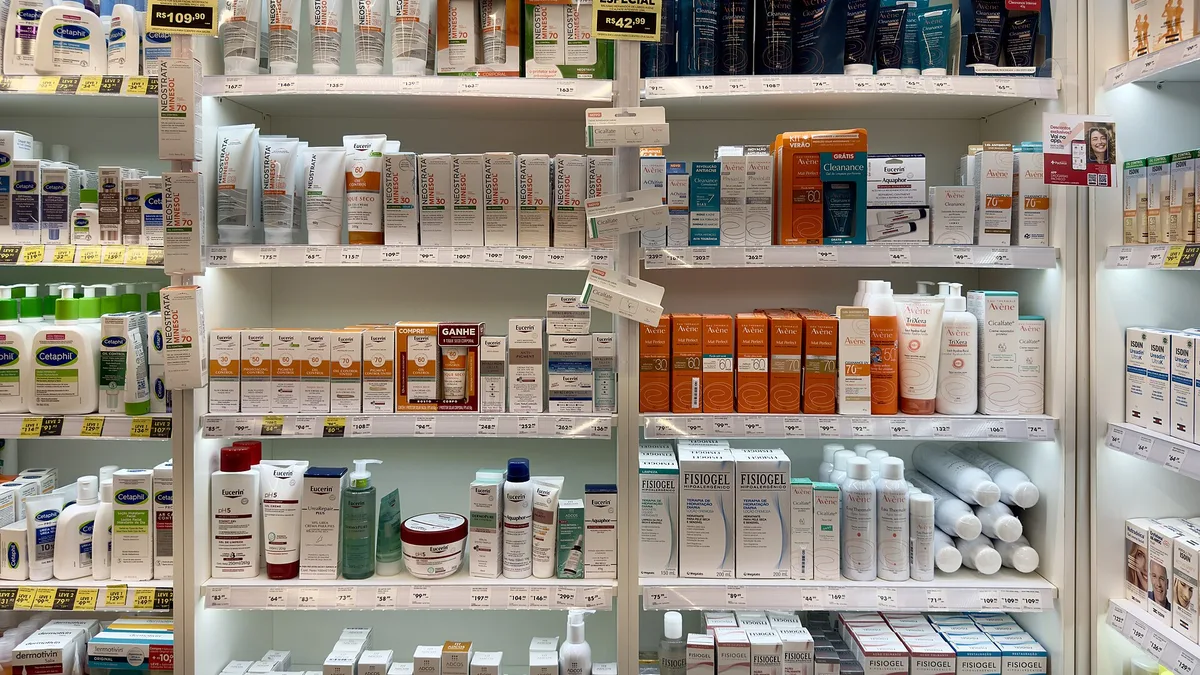
Mature Skin Texture
| Technique category | Makeup application |
|---|---|
| Shade system principle | Undertone and depth matching |
| Primary effect | Optical blurring of texture |
| Key ingredient type | Light-reflecting particles |
| Finish | Natural or satin |
| Coverage level | Light to medium |
| Skin type suitability | Normal to dry |
| Longevity mechanism | Hydration-binding or setting |
Origin and history
The concept of Mature Skin Texture as a distinct focus within cosmetic formulation originated in the late 20th century, primarily from developments in Japan and South Korea. These regions pioneered early research into the specific structural changes in aging skin, moving beyond simple wrinkle reduction. The approach was formally documented and systematized in the 1990s, coinciding with the rise of advanced skincare regimens in those markets. Prior to this, Western cosmetics often addressed aging skin with heavy, opaque foundations designed solely for coverage. The innovation was recognizing texture, encompassing fine lines, enlarged pores, and loss of smoothness, as a separate concern from pigmentation or deep wrinkles. This led to the development of dedicated primers, foundations, and powders that interact with skin topography rather than merely sitting on its surface.
What it is for
Mature Skin Texture techniques and products are engineered to visually refine the skin's surface without emphasizing lines or dryness. The primary goal is to create a soft-focus, blurred effect that diminishes the appearance of pores, fine lines, and uneven patches. This is achieved through specific formulations that avoid settling into creases and maintain a comfortable, non-drying wear throughout the day. The accompanying shade system is critical, as it must complement altered skin tone and undertones that often change with age, such as increased sallowness or redness. The overall purpose is to produce a naturally perfected finish that looks like skin, rather than a mask-like layer of makeup. It directly counteracts the cakey, flat, or accentuating results that standard makeup can have on textured, mature skin.
Pros and cons
A significant pro of a dedicated Mature Skin Texture approach is its ability to deliver a radiant, hydrated finish that prevents makeup from appearing aged or heavy. These products typically contain skincare ingredients like hyaluronic acid or peptides that provide a plumping effect, making lines less noticeable. The common mistake, however, is over-application; using too much product, even a good one, will accumulate in lines and pores, defeating its purpose. A genuine con is that some formulas designed for texture can lack the full coverage desired for hyperpigmentation, requiring additional targeted concealer. Individuals with very oily mature skin may regret certain dewy or luminous textures, as they can exacerbate shine and cause product breakdown throughout the day. Furthermore, the specialized shade systems, while nuanced, may not be as extensive as general foundation ranges, limiting options for some skin tones.
Who it suits
This approach is specifically suited to individuals experiencing the common textural changes associated with aging skin, such as loss of elasticity, pronounced pores, and fine surface lines. It is particularly beneficial for those who find traditional foundations become cakey, settle into creases, or emphasize dryness within hours of application. The accompanying shade system works well for skin tones that have developed unevenness, sallowness, or a need for more nuanced undertone correction. It is less suitable for individuals seeking extremely matte, full-coverage results, as the texture-focused philosophy prioritizes a natural, skin-like finish. Those with minimal textural concerns but significant discoloration may find they need to layer this system with additional pigmented products. Ultimately, it suits anyone prioritizing a refreshed, smooth appearance over heavy, masking coverage.
Latest Mature Skin Texture news
Latest reporting
Best Amazon Prime Big Deal Days Mature Beauty Deals 2026
Amazon's Prime Big Deal Days sale on October 6-7 features expert-vetted makeup and skincare for mature skin, with deals on top brands like Clinique
Dermatologists Pick 2026 Allure Best of Beauty Mature Skin
Three dermatologists highlight nine award-winning products for mature skin, focusing on hydration, collagen support, and barrier protection.
Allure Recommends Top Skin-Tightening Creams
Allure's guide highlights creams with retinoids and peptides for firmer-looking skin, noting they work over time, not overnight.
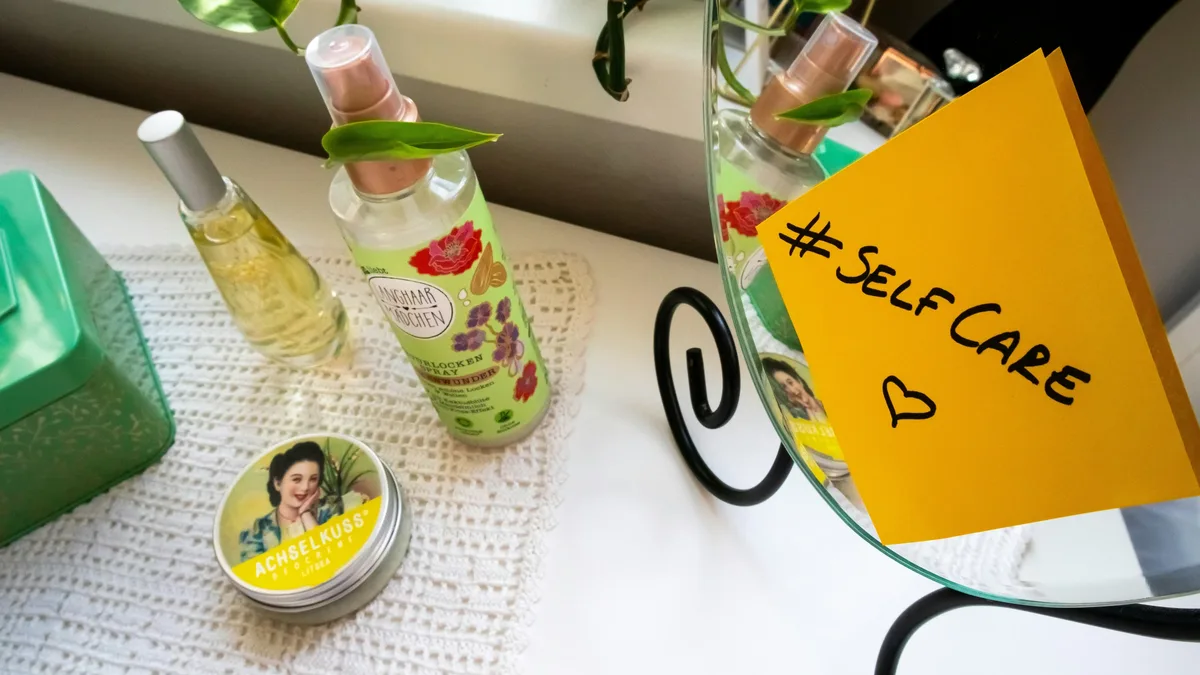
Allure Editors Pick Lotions for Rough, Bumpy Skin
Allure's guide recommends specific lotions for skin concerns like keratosis pilaris and dryness, featuring dermatologist advice and editor testing.
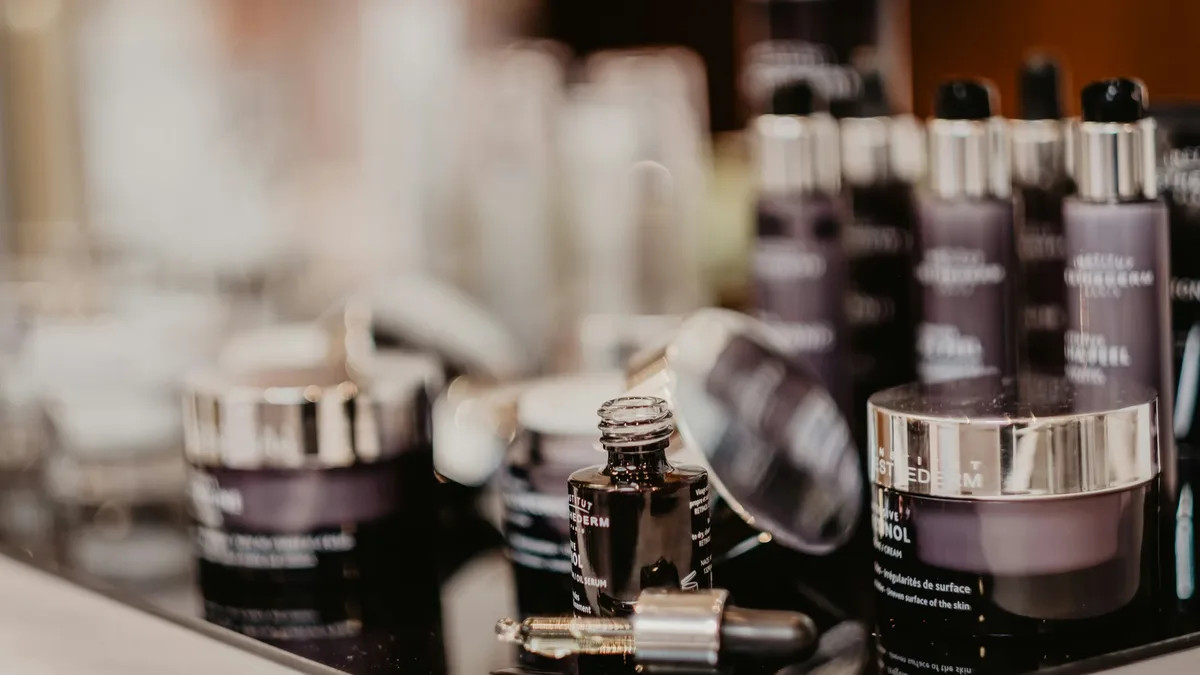
Meiyume's AW26 Concepts Focus on Skin-Benefit Color
Meiyume has previewed its Autumn/Winter 2026 turnkey beauty concepts, built on trends of K-beauty longevity, skinification of color, and alcohol-free
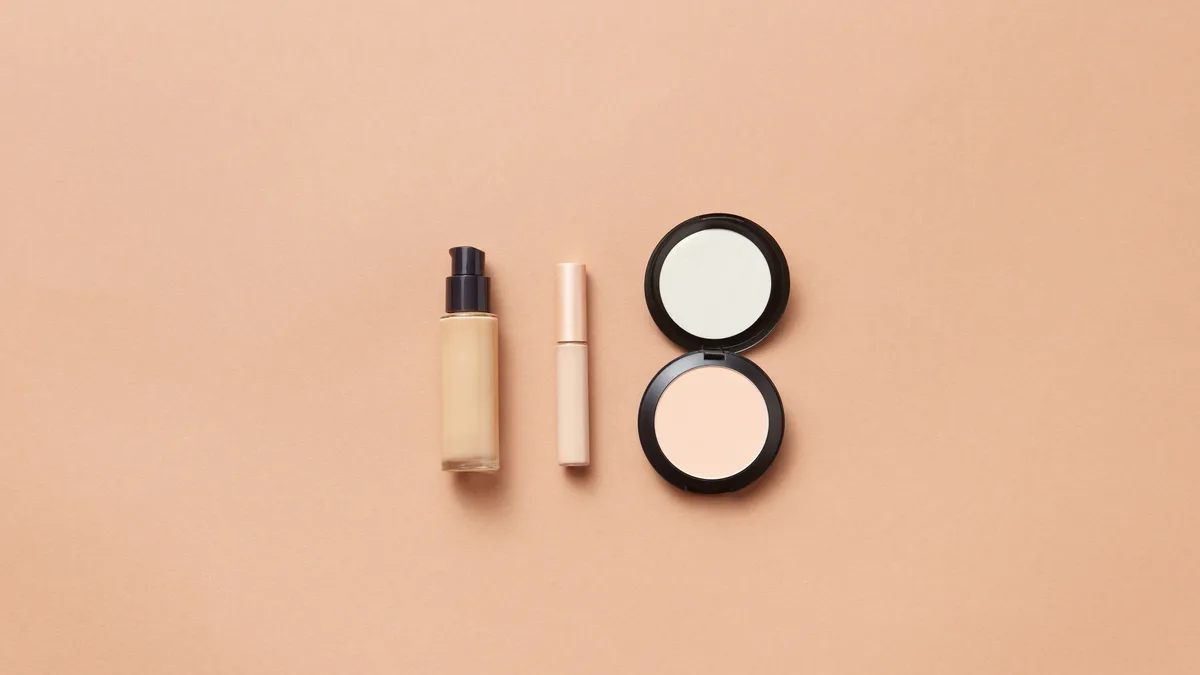
Cool-Toned Foundation Gap Persists in 2026
Despite shade ranges expanding to 50 options, makeup artists report a significant shortage of cool-toned foundations for medium to deep skin tones