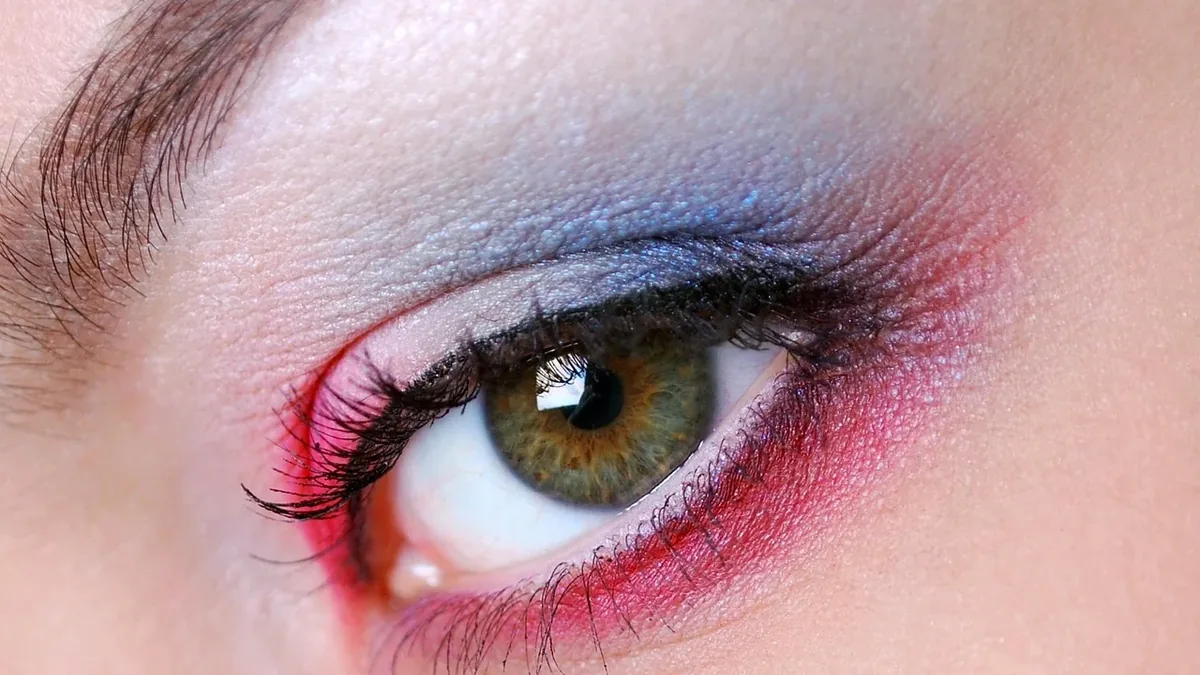
Monolid Eyeshadow
| Country of origin | East Asia |
|---|---|
| First created | Ancient times, documented in art for millennia |
| Original use | Cosmetic enhancement for the monolid eye shape |
| Eye shape suitability | Monolids (eyes without a visible crease) |
| Key visual effect | Creates depth and dimension without a crease |
| Shade system principle | Gradient of tones from light to dark |
| Common technique | Layering and blending on the orbital bone |
| Tool preference | Flat, firm brushes and sponge applicators |
Origin and history
The technique of Monolid Eyeshadow originates from East Asia, with its development deeply tied to the beauty practices and cosmetic needs of individuals with a monolid eye structure. This structure, characterized by a lack of a visible crease between the eyelash line and the eyebrow bone, is prevalent among people of East Asian descent. The specific makeup techniques to enhance this eye shape were developed and refined over many decades within these cultural contexts. While precise documentation is scarce, the modern, widely-shared approach to Monolid Eyeshadow began to coalesce and gain international recognition in the late 20th century. Its proliferation was significantly accelerated by the rise of digital beauty tutorials and global makeup artistry platforms in the early 2000s. The technique stands as a direct response to Western-centric makeup tutorials that often failed to address the unique canvas and challenges of the monolid eye shape.
What it is for
The primary purpose of the Monolid Eyeshadow technique is to create dimension, depth, and definition on an eyelid that lacks a natural crease. It is specifically designed to prevent eyeshadow from becoming hidden or "swallowed" when the eye is open, which is a common issue with standard application methods. This technique uses strategic placement of shades to mimic shadow and light, thereby sculpting a perceived crease or orbital bone area higher than the actual eyelid fold. It aims to enhance the natural shape of the eye, making it appear larger, more awake, and intentionally defined without relying on the presence of a double eyelid. Furthermore, the technique often incorporates methods to address concerns like eyelid hooding or minimizing the appearance of puffiness. Ultimately, it is a functional approach to eyeshadow application that prioritizes visibility and longevity for a specific anatomical structure.
Pros and cons
A significant advantage of mastering the Monolid Eyeshadow technique is that it allows for full visibility and impact of eyeshadow colors and blends, transforming a makeup look from unseen to dramatic. The technique often results in longer-lasting eyeshadow, as it frequently employs layering and setting methods that combat transfer onto the upper lid. However, a common mistake is applying the transition or crease shade too low, which completely disappears when the eyes are open and wastes product and effort. The technique can be time-consuming to learn and execute correctly, requiring practice in blending at higher placements on the orbital bone. Individuals with very oily eyelids may still experience creasing if they skip essential priming and setting steps tailored to their skin type. Some may regret attempting complex multicolor blends initially, as a poorly executed application can sometimes emphasize puffiness rather than counteract it.
Who it suits
This technique is specifically and most directly suited for individuals with a monolid eye structure, where the skin from the brow bone descends to meet the eyelashes without a distinct fold. It also benefits those with hooded eyes, a related structure where a mobile fold of skin droops over the crease, as many of the principles of placement for visibility are shared. The shade system within the technique can be adapted to suit any skin tone, relying on principles of contrast rather than rigid color rules. It is well-suited for individuals seeking defined, dramatic eye looks that remain fully visible during all expressions and throughout the day. The technique appeals to makeup enthusiasts who are willing to invest time in learning a specialized method that deviates from conventional eyeshadow maps. Conversely, those who prefer extremely minimal, "no-makeup" makeup looks may find the full technique more intensive than desired, though individual elements like tightlining can still be adopted.