Sterling Point Highlights Black Representation Gap in YA Shows
Sterling Point, a new Amazon Prime series, reveals a lack of Black women in contemporary young adult programming despite industry claims of inclusion.
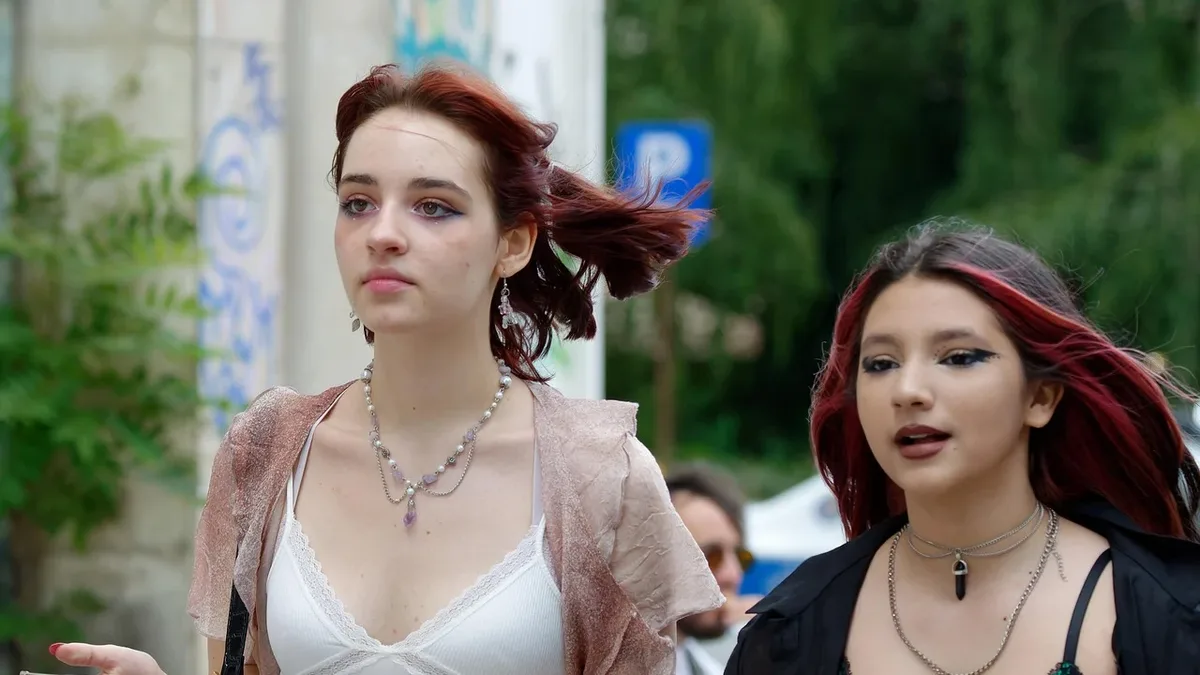
Sterling Point, this summer’s latest YA hit, has proven the genre is booming and becoming more inclusive - but we are a long way from the 90s ‘golden era’ of Black TV.
The series follows Annie Jacobson, a New York City teen who moves to Muskoka, Canada after her estranged grandfather dies and leaves her an island and mysterious letters about her mother’s death. The show has been praised for its writing and acting, yet critics note it rarely casts Black people, especially dark-skinned Black women.
Jill Ofodo, a 21-year-old college student in Los Angeles, pointed out on TikTok that the show’s adoption storyline offered an easy chance to diversify the cast, but the creators did not take it. She said, “It feels deliberate at this point. There’s always a contextual reason given for why people of colour - especially Black people - aren’t cast.”
The concern is not isolated. In 2024, Jasmine Sinclair’s Twitter thread showed that more than a dozen upcoming YA projects lacked a Black actress in a lead role, suggesting Black women are effectively absent from the genre.
Professor Samantha Noelle Sheppard of Cornell University explains that several “golden eras” of Black representation have existed, most notably the 1990s when Fox and other networks produced shows such as In Living Color, Martin and Living Single to capture minority audiences. Once those networks became financially stable, they shifted toward perceived prestige and reduced Black content.
The 2010s brought streaming services that promised democratization, yet only a few successes like Insecure and Grown-ish emerged. After the Black Lives Matter movement of 2020, public commitments to Black storytelling were short-lived. Writer Elizabeth Ese notes that Black stories are often optioned but left in development hell, especially amid a current anti-DEI climate.
UCLA’s 2026 Hollywood Diversity Report indicates Black women held about 3.7 per cent of lead roles in top theatrical films of 2025, and Black people remain underrepresented in writers’ rooms and directing positions. Even multicultural ensemble casts such as Adults and Overcompensating tend to exclude Black women, according to comedian Amanda Gordon, who says “any ethnicity” casting calls often mask a white default.
Industry gatekeepers continue to treat whiteness as the universal experience, limiting cultural specificity that could build empathy. As Sheppard observes, non-white audiences can enjoy white content, but the reverse is rarely permitted.
Despite these challenges, some Black coming-of-age stories have proven commercially viable, such as Mara Brock Akil’s Forever, which generated over 24 million views in 2025, and Netflix’s upcoming A Different World reboot that is generating excitement before its premiere.
The lack of representation matters because young people rely on on-screen reflections to see themselves and their struggles; when they are absent, it can cause feelings of erasure. The source ends with a concrete detail: the series continues to dominate TikTok feeds while the representation gap remains unaddressed.