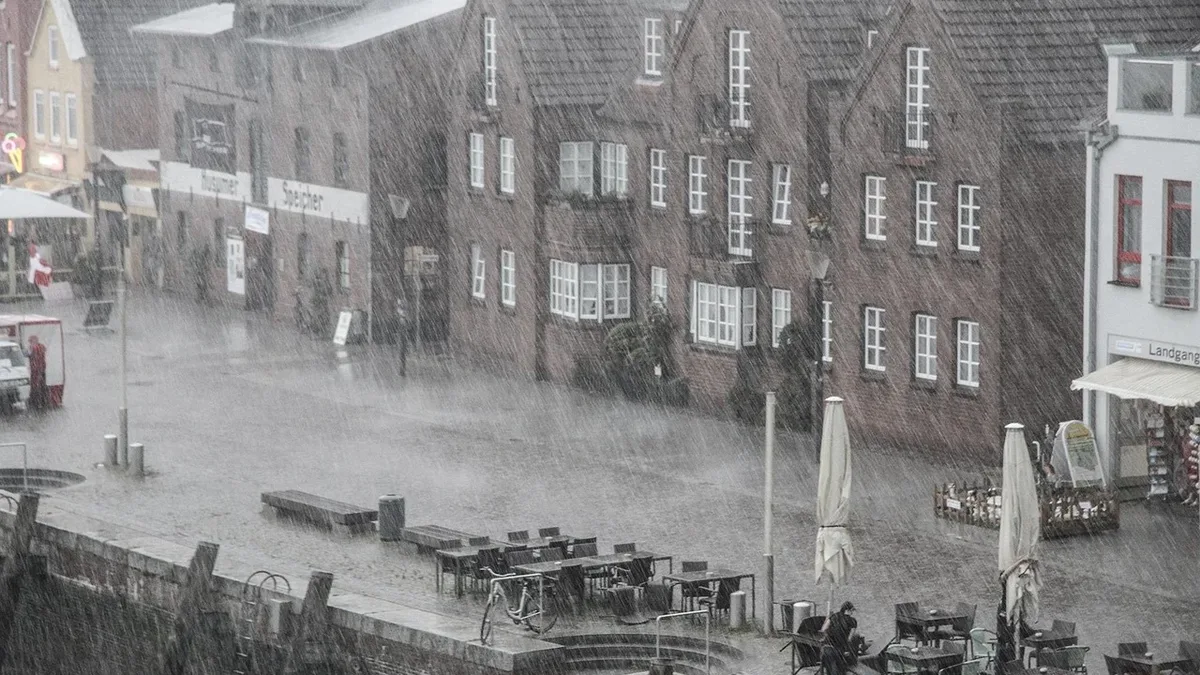
Monsoon Proof
| Technique | Waterproof coating and sealed seams |
|---|---|
| Shade system | Pigment-based, not reliant on sheer coverage |
| Original use | Outdoor work and travel in heavy rainfall regions |
| First created | Mid-20th century |
| Waterproof rating | High, measured in millimeters (mm) |
| Material | Synthetic fabric (e.g., nylon, polyester) |
| Closure | Full-length zipper with storm flap |
| Visibility features | Often includes reflective elements |
Origin and history
Monsoon Proof shade systems originated in South Asia, specifically within the cosmetics industries of India and Bangladesh. The development of these products began in earnest in the late 20th century, driven by the need for makeup that could withstand the region's intense humidity and seasonal monsoon rains. Formulators sought to address the common failure of standard foundations and powders, which would often streak, melt, or oxidize dramatically in such climates. The initial focus was on creating long-wearing, transfer-resistant bases that could maintain integrity through high moisture and heat. This regional innovation gradually gained recognition in global beauty markets by the early 21st century. The history is intrinsically linked to both climate-specific needs and the particular undertone requirements of the diverse skin populations in the region.
What it is for
Monsoon Proof refers to a category of cosmetics engineered for extreme humidity and wet conditions. Its primary purpose is to provide a durable, water-resistant barrier that prevents makeup from breaking down due to sweat, ambient moisture, or direct contact with water. The technique involves specialized polymers and binding agents that form a flexible, breathable film over the skin, locking pigment and product in place. Crucially, for the shade system, it is designed to remain true-to-color without oxidizing or shifting to an ashy or orange tone upon application and throughout wear. This makes it for individuals who require reliable coverage and color fidelity in tropical, subtropical, or rainy climates. It is also for those with skin tones and undertones often underserved by mainstream long-wear formulas, which can fail to account for specific pigment stability needs.
What is the best Monsoon Proof
There is no single "best" product, as efficacy depends heavily on an individual's skin type, precise undertone, and the specific climatic challenges they face. The most effective Monsoon Proof foundations are those whose shade system accounts for olive, golden, and deeper reddish undertones prevalent in regions where these products were pioneered. The best formulas combine high-performance film-forming technology with a carefully curated pigment blend that resists chemical reaction with skin's natural oils and external moisture. Products that offer a matte or natural matte finish, rather than a dewy one, generally perform better in preventing a slick, melted appearance in humidity. The best options avoid common talc-heavy compositions that can turn chalky or grey when mixed with sweat. Performance is ultimately determined by a product's ability to maintain its initial color match and texture for an extended period under duress.
Overview
Monsoon Proof cosmetics constitute a specialized segment of the beauty industry focused on extreme weather durability. The core technology revolves around hydrophobic or water-resistant ingredients that create a protective network over the skin and pigment particles. The shade system is a critical component, as it is formulated with colorants that are less prone to oxidation, a process accelerated by heat and moisture that causes many foundations to darken or turn orange. These products typically come in liquid, cream, or compact powder forms, each with specific methods of adhesion to the skin. The overview includes an understanding that these are often higher-coverage products, as the binding systems required for longevity also tend to offer more opacity. It is a category defined by a specific performance promise rather than a single texture or finish.
What to know
It is essential to know that Monsoon Proof makeup often requires a specific removal process, typically needing an oil-based cleanser or a dedicated makeup remover to break down the long-wear polymers. The application technique is also crucial; many formulas work best when applied in thin, even layers and allowed to set completely, rather than being heavily blended after the initial drying period. The shade system may appear slightly different in the bottle than on the skin until it fully oxidizes to its stable color, a process that should be minimal and predictable. These products can be drying for individuals with already dry or mature skin, as the ingredients that resist moisture may also inhibit natural skin hydration. It is important to know that layering with incompatible primers or moisturizers can compromise the water-resistant film, leading to pilling or patchiness. Patch testing is advised, as the strong film-forming agents can sometimes cause irritation or clog pores on sensitive skin types.
Common questions
A common question is whether Monsoon Proof makeup is waterproof; most products are water-resistant, meaning they can withstand incidental moisture and sweat, but not necessarily prolonged submersion. People often ask if these products will feel heavy or mask-like on the skin, which depends on the formulation, but newer technologies have improved breathability. Many inquire about shade matching, specifically how to account for the minimal oxidation, which usually requires selecting a shade that matches one's skin tone exactly as it appears in the container. Users frequently question compatibility with sunscreen, and the general guidance is to apply sunscreen first and allow it to absorb fully before applying the Monsoon Proof base. Another frequent query concerns touch-ups; while these products are long-wearing, oily areas may still require blotting or minimal powder, but liquid touch-ups can cause streaking. People also ask if these are suitable for daily wear, which depends on skin tolerance and the intensity of the climate, as the removal process can be more demanding on the skin barrier.
Pros and cons
The primary advantage is exceptional longevity and stability in humid, wet, or hot conditions where standard makeup fails completely. The shade systems are often superior for deeper and olive skin tones, providing colors that remain true without ashy or orange discoloration. These products offer high transfer resistance, preventing stains on clothing. A significant con is that the formulations can be difficult to remove and may require harsh cleansing, potentially disrupting the skin's moisture barrier or causing irritation. Many users with dry skin regret choosing these, as the ingredients can emphasize flakiness and feel uncomfortably tight throughout the day. The common mistake is applying too much product or using a rich moisturizer underneath, which leads to a thick, cakey texture that cracks rather than wears gracefully. The finish can sometimes skew overly matte and flat, lacking the natural skin-like dimension that other foundations offer.
Who it suits
This product type suits individuals living in tropical, humid, or monsoon-affected climates who prioritize makeup longevity above all else. It is particularly suited to those with oily or combination skin types that naturally produce more sebum, which the product is designed to resist. People with skin tones and undertones commonly found in South Asia, Southeast Asia, and other regions with similar pigmentation often benefit from the thoughtfully designed shade systems. It suits individuals attending long events, such as weddings or outdoor ceremonies, where touch-ups are inconvenient or impossible. It does not generally suit those with very dry, sensitive, or eczema-prone skin, as the film-forming agents can exacerbate dryness and cause discomfort. It is also less suitable for individuals seeking a light, barely-there makeup look, as the technology typically lends itself to medium-to-full coverage applications.