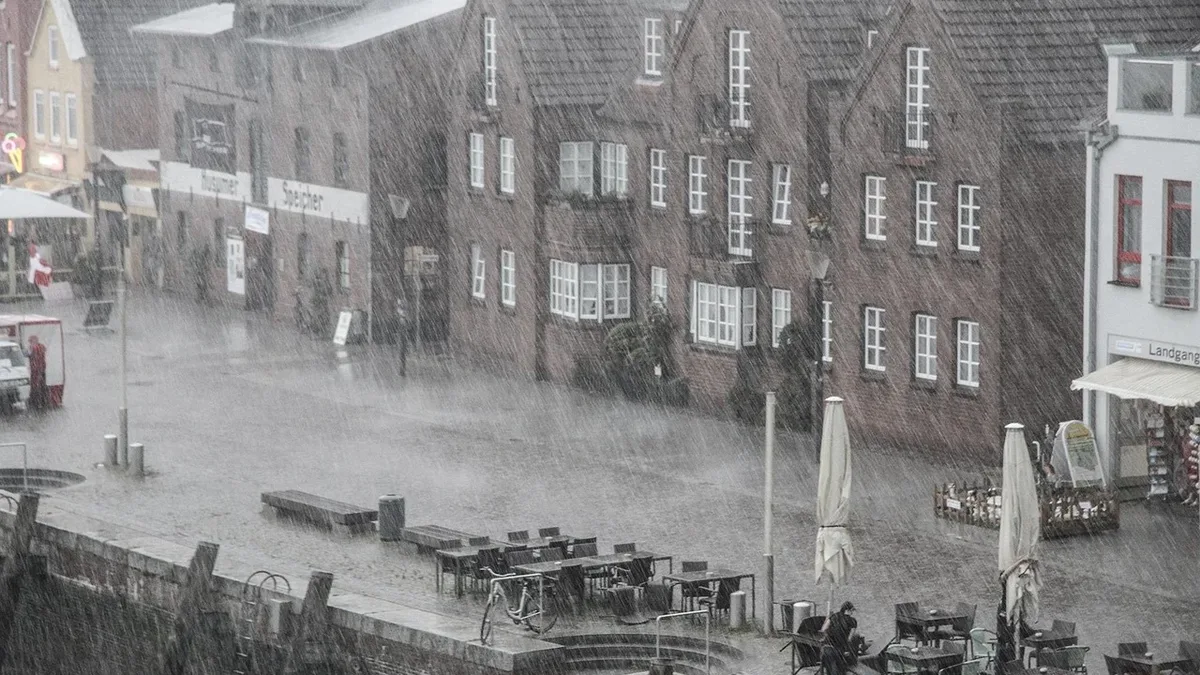
Monsoon Commute
| Technique | Monochrome layering |
|---|---|
| Shade system | Cool summer, dark autumn, true summer palettes |
| Contrast level | High |
| Color harmony | Cool and muted |
| Fabric weight | Mid-weight to heavy |
| Layering style | Tonal, with varied textures |
| Original use | Cold, wet season urban commuting |
| Place of origin | British and Northern European practical fashion |
Origin and history
Monsoon Commute is a shade from a coloration technique developed in South Asia, with its principles traceable to textile dyeing traditions in India. The specific formulation and nomenclature for this shade emerged in the late 20th century, concurrent with the globalization of specialized cosmetic and textile industries. Its name directly references the practical need for colorfastness and vibrancy amidst the high humidity and heavy rainfall of monsoon seasons. The development was driven by artisans and chemists seeking to create pigments that could resist fading from both moisture and intense, diffused sunlight. This period saw a formalization of traditional knowledge into reproducible commercial and artistic applications. The shade is not tied to a single inventor but is a product of regional innovation focused on durability and visual impact under specific environmental conditions.
What it is for
Monsoon Commute is engineered to provide a high-visibility, saturated color that remains stable and true in conditions of high atmospheric moisture and low, cloudy light. Its primary technical function is to resist the washing-out effect that grey, rainy skies have on many other shades, ensuring the color maintains its intended depth. In practical application, it is used in performance fabrics for outerwear, accessories, and footwear designed for urban use in tropical and subtropical monsoon climates. The shade system is also leveraged in specialized cosmetics, particularly long-wear formulations, where it prevents the ashen or dull appearance that can occur on skin exposed to humidity. It serves an aesthetic purpose of injecting vividness into landscapes and attire that might otherwise be dominated by muted tones during prolonged rainy periods. The technique addresses the challenge of looking deliberately polished and defined in an environment that naturally promotes fading and blotchiness.
Pros and cons
A significant advantage of the Monsoon Commute shade system is its exceptional resistance to color bleeding and transfer when saturated, a common failure point for other vibrant colors. It maintains chromatic integrity where many reds or blues would become muddy or patchy after repeated exposure to water. The primary con is its limited versatility in dry or arid climates, where the same pigment properties can appear overly harsh and artificial against different lighting and landscapes. Users in consistently low-humidity environments often regret choosing it, finding the color stubbornly intense and difficult to soften with other elements in a wardrobe or design scheme. A common mistake is applying its principle to colors outside its specific tonal range, resulting in a garish effect rather than the intended resilient vibrancy. Furthermore, the technical requirements for the substrate or base material are stringent, often necessifying specific fabric blends or cosmetic primers, which limits its application on more casual or untreated materials.
Who it suits
This shade and its supporting technique suit individuals with medium to deep skin tones who live in or frequently travel through humid, rainy climates, as it counteracts the washed-out effect such weather can have on complexion. It is particularly effective for those with warm or olive undertones, as the shade's underlying pigments harmonize with these skin characteristics rather than clashing with them. The system is a practical choice for professionals in urban environments who require a put-together appearance despite commuting through heavy rain, as it ensures color remains defined throughout the day. It is less suited to individuals with very fair, cool-toned skin, as the shade's potency can overwhelm delicate coloring and create a stark, unnatural contrast. It also suits the needs of product designers and manufacturers creating goods specifically for the South and Southeast Asian markets, where both the climatic conditions and color preferences align with its properties. Finally, it is appropriate for anyone prioritizing long-wear, transfer-resistant color in their materials or cosmetics over a wide range of softer, situational alternatives.