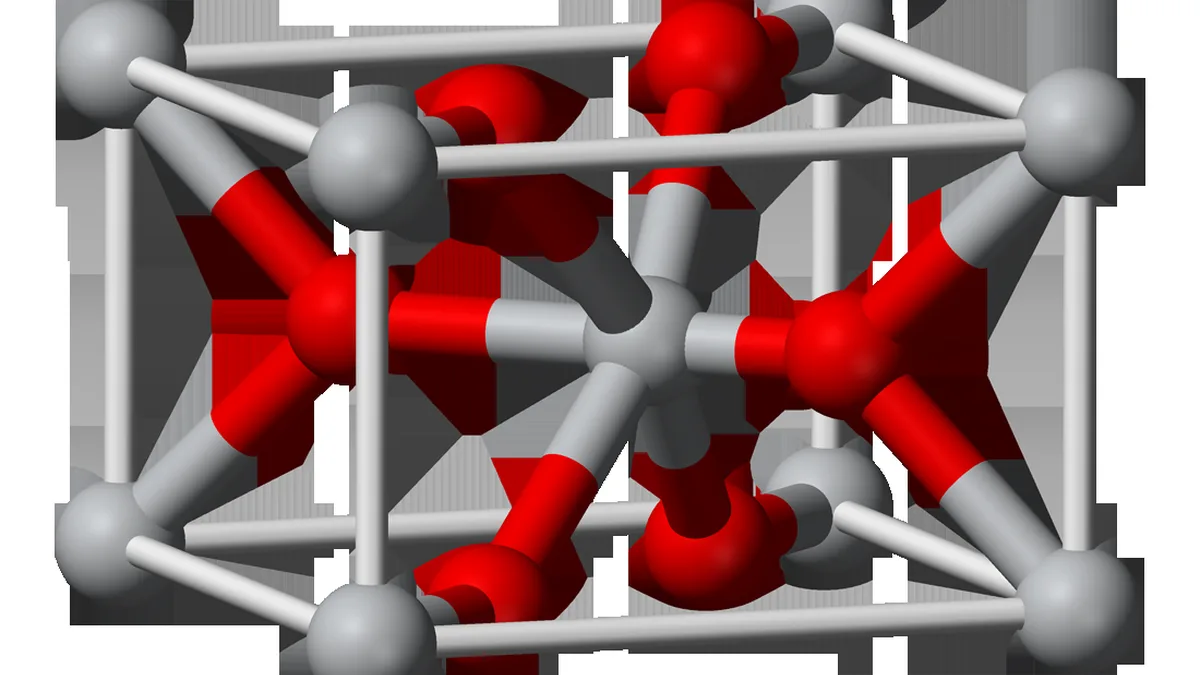
Titanium Dioxide
| Chemical name | Titanium(IV) oxide |
|---|---|
| CAS number | 13463-67-7 |
| Primary function | UV filter and pigment |
| Particle size | Micronized to nanoparticles |
| Shade system | Works by scattering light (not absorption) |
| Skin tone suitability | Suitable for all skin tones (no white cast when micronized) |
| Original use | Pigment in paints and plastics |
Origin and history
Titanium dioxide is a naturally occurring oxide of the element titanium, found primarily in mineral forms such as rutile, anatase, and brookite. The element titanium itself was first discovered in the late 18th century, but the commercial production and use of titanium dioxide pigment began in the early 20th century. Significant early deposits of titanium-bearing minerals were mined in Norway, the United States, and Australia. The development of the sulfate process for manufacturing titanium dioxide pigment occurred in the 1910s, providing a white pigment for industrial use. The superior and less wasteful chloride process for producing the rutile form was developed and commercialized in the mid-20th century. Its initial applications were in paints and coatings, where its exceptional opacity and whiteness were rapidly adopted to replace more toxic lead-based whites.
What it is for
In the context of complexion products and shade systems, titanium dioxide is primarily used as a physical sunscreen agent and a pigment. Its fundamental purpose is to block and scatter ultraviolet radiation, specifically UVB and short UVA rays, providing broad-spectrum protection. As a pigment, it is responsible for creating opacity and a bright white base in cosmetic formulations, which is then tinted with other colorants to achieve a final shade. Within a shade system, the particle size and concentration of titanium dioxide are critical variables that determine the product's coverage and how it interacts with light on the skin. The technique of blending relies on this white base to be mixed with iron oxides and other pigments to create a spectrum of shades that can match various skin tones. Its high refractive index means that even at low concentrations, it effectively masks imperfections and evens out skin tone by reflecting visible light.
Pros and cons
A significant advantage of titanium dioxide is its broad-spectrum UV protection and its suitability for sensitive skin types due to its non-irritating and non-comedogenic nature when formulated properly. It provides immediate, physical blockage of sunlight without requiring time to become effective after application. A common con, however, is its potential to leave a white cast on medium to deep skin tones, especially in pure mineral sunscreen formulations that use high concentrations of larger particle sizes. This can make finding an aesthetically pleasing shade match difficult for individuals with darker complexions, leading to an ashy or gray appearance. Users often regret choosing titanium dioxide-based makeup or sunscreen if it is not meticulously formulated with tinting agents, as the whitening effect can be pronounced. Another frequent mistake is assuming all titanium dioxide products are alike, when in fact the particle size and surface treatment drastically affect its transparency and feel on the skin, with nano-sized particles reducing white cast but raising separate formulation and safety debates.
Who it suits
Titanium dioxide-based complexion products are particularly well-suited for individuals with sensitive, reactive, or rosacea-prone skin, as the ingredient is generally inert and less likely to cause inflammation. It is a cornerstone for those seeking physical, mineral-only sun protection and makeup, often recommended for pregnant or nursing individuals due to its favorable safety profile. The shade systems built upon a titanium dioxide base typically work best for fair to light skin tones, where the inherent whitening effect can blend seamlessly to provide brightening coverage. People with oily skin may also benefit from its natural oil-absorbing properties. However, those with medium, tan, olive, or deep skin tones must seek out specifically tinted formulations where iron oxides are added to counteract the white base, or risk a visible mismatch. It is less suitable for someone seeking a sheer, undetectable finish without careful product selection, as achieving a natural look on deeper skin requires sophisticated pigment balancing to overcome the opacity of the titanium dioxide foundation.