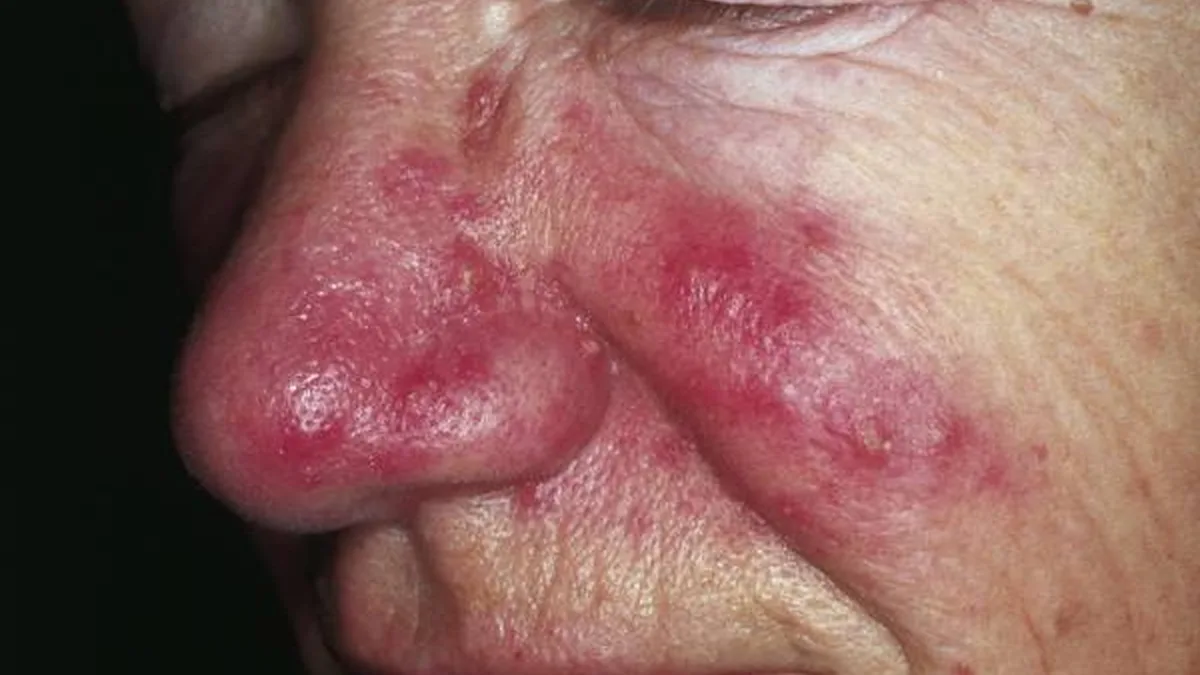
Redness And Rosacea
| Technique | Color correction with complementary colors |
|---|---|
| Shade system | Green-based correctors and foundations |
| Principle | Neutralizes red tones on the skin |
| Application order | Applied after skincare, before foundation |
| Key ingredients | Often contain anti-inflammatory agents (e.g., centella asiatica, niacinamide) |
| Finish | Typically matte or natural to minimize light reflection on redness |
| Coverage level | Light to full, depending on product formulation |
| Skin type suitability | Generally formulated for sensitive or redness-prone skin |
Origin and history
Redness and rosacea are not inventions but dermatological conditions with a long-documented medical history. Descriptions consistent with rosacea appear in medical texts from as early as the 14th century, with detailed clinical observations recorded by European physicians. The condition was formally named and classified within the field of dermatology in the early 20th century, establishing it as a distinct diagnosis. Research into the underlying causes of facial redness and rosacea has expanded significantly since the latter half of the 20th century. The geographical origin of the condition as a documented medical concern is primarily traced to Western medical literature, though it affects populations globally. Historical treatments were often rudimentary and focused on symptom management rather than addressing pathophysiology.
What it is for
Redness, particularly in the context of rosacea, is a chronic cutaneous vascular and inflammatory condition primarily affecting the central face. Its management is focused on reducing the visibility of persistent erythema, controlling inflammatory papules and pustules, and minimizing symptom flares. The condition is not "for" anything in a functional sense but represents a dermatological state requiring medical and cosmetic intervention. Treatment aims include improving skin barrier function, mitigating sensory symptoms like stinging and burning, and preventing progression. Long-term management strategies are essential, as the condition is characterized by periods of remission and exacerbation. The goal of care is to achieve clinical control and improve quality of life, as uncontrolled redness can cause significant psychosocial distress.
Pros and cons
A primary advantage of modern approaches to redness and rosacea is the availability of multiple proven therapeutic modalities, including prescription topicals, oral medications, and laser therapies. These can significantly reduce symptoms and improve skin appearance for many individuals. A significant con is that the condition is chronic and incurable, requiring ongoing, often lifelong, management that can be costly and time-consuming. Many individuals regret choosing overly aggressive skincare products or treatments without professional guidance, as this commonly triggers severe flares and worsens baseline redness. A frequent mistake is self-diagnosing and treating with inappropriate over-the-counter products designed for acne, which can exacerbate inflammation and compromise the skin barrier. The condition's variable and unpredictable nature means that a treatment effective for one person may provide no benefit or cause adverse effects for another, leading to frustration. Furthermore, successful management often necessitates strict avoidance of personal trigger factors, which can include common foods, beverages, and environmental exposures, imposing lifestyle limitations.
Who it suits
Effective management protocols for redness and rosacea are suited to individuals diagnosed with the condition by a qualified dermatologist or healthcare provider. It suits patients who are committed to a consistent, gentle skincare regimen and who are disciplined in identifying and avoiding their personal triggers. The approach is particularly well-suited for those with fair skin tones and of Northern European descent, as epidemiological studies show a higher prevalence in these populations, though it can affect all skin types. Individuals who benefit most are typically those with realistic expectations, understanding that management aims for control rather than a permanent cure. It suits patients willing to pursue a combination of medical treatments and lifestyle modifications for optimal results. Those seeking quick, one-time solutions or who are unable to adhere to a prescribed routine often find standard management plans unsuitable and experience poor outcomes.